Determinants of Cognitive Frailty in Elderly Esophageal Cancer Patients
Overview
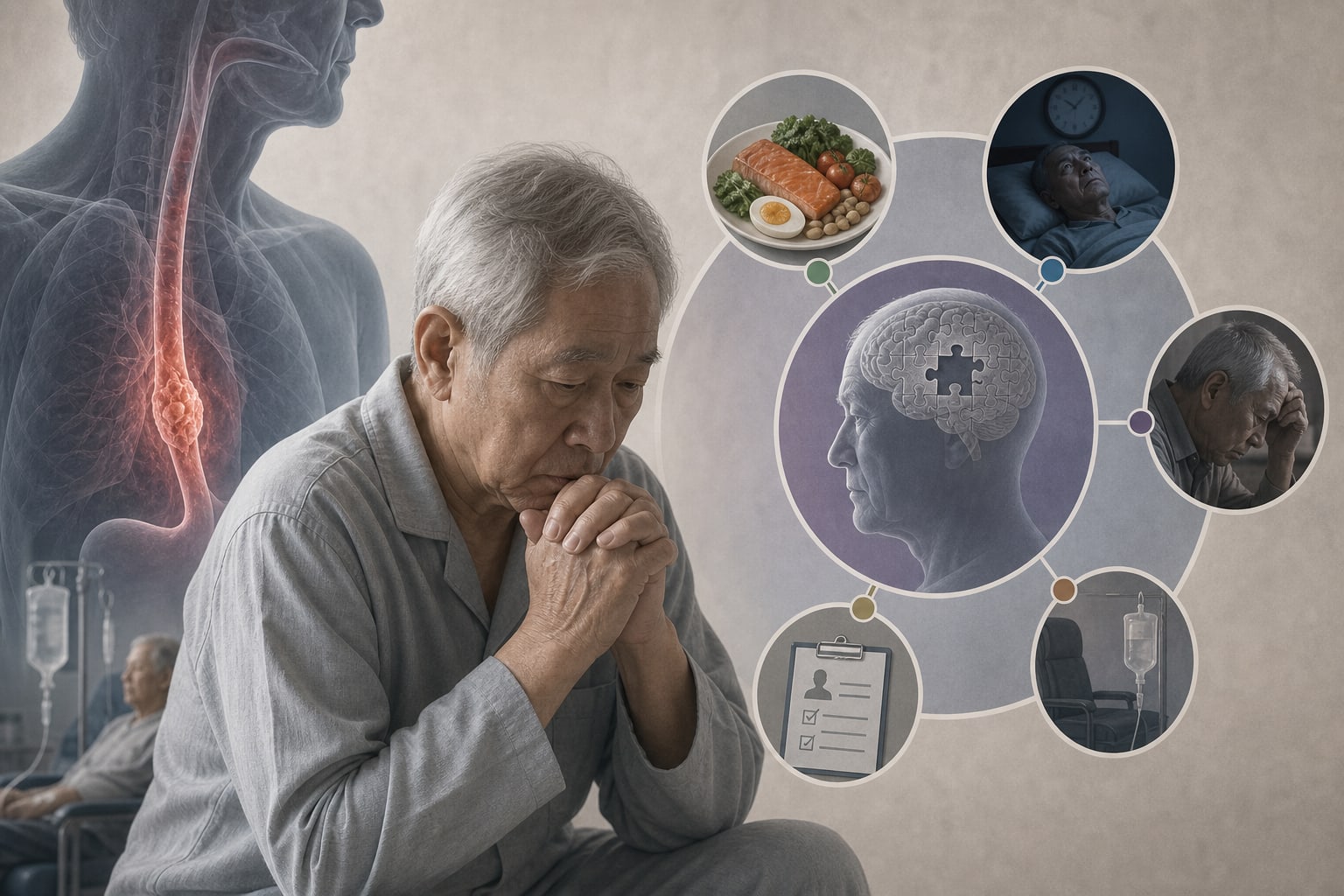
This study investigates the prevalence of cognitive frailty among older esophageal cancer patients undergoing chemotherapy, finding a significant incidence of 45.1%. Key factors associated with cognitive frailty include chemotherapy cycles, nutritional risk, sleep disturbances, and depression.
Background
Cognitive frailty is a critical concern in older cancer patients, particularly those undergoing chemotherapy, as it can exacerbate functional decline and negatively impact treatment outcomes. Understanding the determinants of cognitive frailty is essential for developing targeted interventions that can improve patient care and quality of life. This study specifically addresses the gap in knowledge regarding cognitive frailty in older patients with esophageal cancer.
Data Highlights
The incidence of cognitive frailty was found to be 45.1% among the studied population.
Key Findings
Cognitive frailty prevalence in older esophageal cancer patients undergoing chemotherapy is 45.1%.
Significant factors associated with cognitive frailty include chemotherapy cycles, nutritional risk, sleep disturbances, and depression (p < 0.05).
Educational attainment and participation in cognitive training activities are also linked to cognitive frailty.
Social support plays a role in mitigating cognitive frailty.
Healthcare professionals should enhance assessment and management strategies during chemotherapy.
Clinical Implications
Healthcare providers should prioritize the assessment of cognitive frailty in older patients undergoing chemotherapy for esophageal cancer. Developing targeted interventions based on identified risk factors may help mitigate the impact of cognitive frailty on patient outcomes.
Conclusion
Cognitive frailty is prevalent among older patients with esophageal cancer receiving chemotherapy and is influenced by multiple factors. Addressing these factors through targeted interventions is crucial for improving patient care.