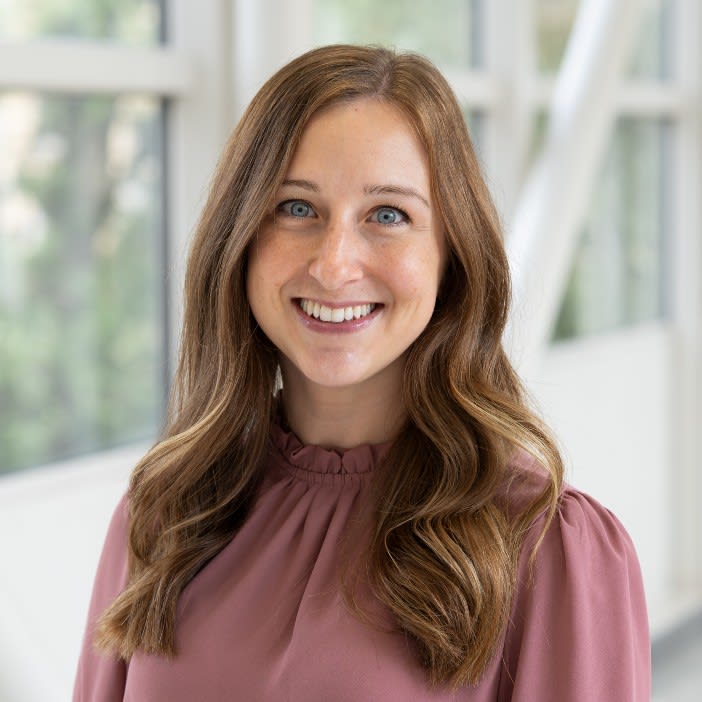
Clinical Report: Advances and Perspectives in Cellular Therapy with Dr. Chelsea Peterson, DO
Overview
Dr. Chelsea Peterson, DO, a member of the Transplant and Cellular Therapy team at Roswell Park Comprehensive Cancer Center, focuses on advancing cellular and CAR T-cell therapies for hematologic malignancies. Her work emphasizes expanding these therapies into earlier treatment lines, improving accessibility, affordability, and reducing associated toxicities.
Background
Cellular therapies, including CAR T-cell treatments, have revolutionized the management of hematologic cancers such as lymphomas and leukemias. Traditionally reserved for later lines of therapy, these treatments are increasingly being explored for earlier use and broader indications, including solid tumors. Roswell Park Comprehensive Cancer Center is at the forefront of research and clinical application of these innovative therapies. Dr. Peterson’s clinical and research efforts aim to optimize adoptive cell therapy outcomes and enhance patient access to these cutting-edge treatments.
Data Highlights
Dr. Peterson’s research includes retrospective analyses of diffuse large B cell lymphoma outcomes and CNS lymphoma consolidation therapies. Current clinical initiatives focus on early hospital discharge protocols for transplant and CAR T-cell therapy patients, supported by advances in graft-versus-host disease prevention and early recognition of cytokine release syndrome (CRS) and immune effector cell-associated neurotoxicity syndrome (ICANS).
Key Findings
- CAR T-cell and cellular therapies are evolving from third-line to first-line treatment options for both liquid and solid tumors.
- Research is ongoing to expand adoptive cell therapy applications across various lymphoma subtypes, including B cell and T cell lymphomas.
- Efforts are underway to improve the accessibility and affordability of cellular therapies to patients regardless of geographic location.
- Early discharge protocols for transplant and CAR T-cell therapy patients are being implemented to facilitate outpatient recovery and reduce hospitalization time.
- Advancements in graft-versus-host disease management and early detection of CRS and ICANS have improved patient safety and treatment feasibility.
Clinical Implications
Clinicians should anticipate the integration of cellular therapies earlier in treatment algorithms for hematologic malignancies and potentially solid tumors. Familiarity with toxicity management, including CRS and ICANS, is essential to safely expand outpatient care and early discharge strategies. Enhancing patient access to these therapies requires education and infrastructure development in community settings.
Conclusion
Dr. Peterson’s work at Roswell Park highlights the transformative potential of cellular therapies in oncology, emphasizing earlier use, broader applicability, and improved patient-centered care. Continued innovation and dissemination of these therapies promise to enhance outcomes for patients with lymphomas and other cancers.
References
- Chelsea Peterson, DO - Roswell Park Comprehensive Cancer Center
This content is an AI-generated, fully rewritten summary based on a published scholarly article. It does not reproduce the original text and is not a substitute for the original publication. Readers are encouraged to consult the source for full context, data, and methodology.