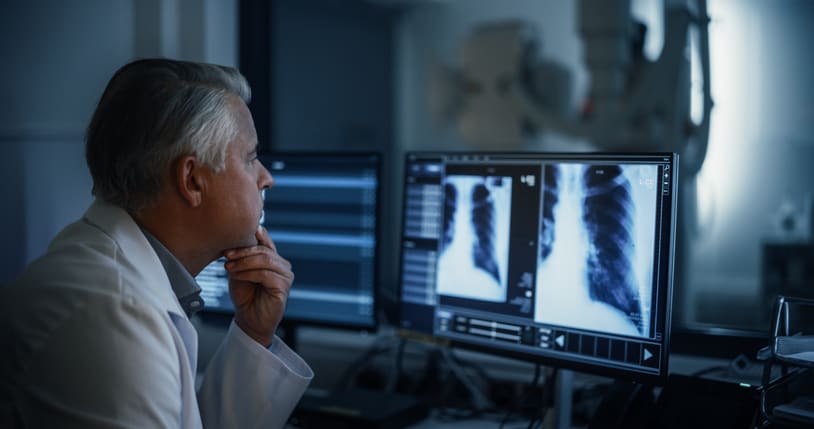
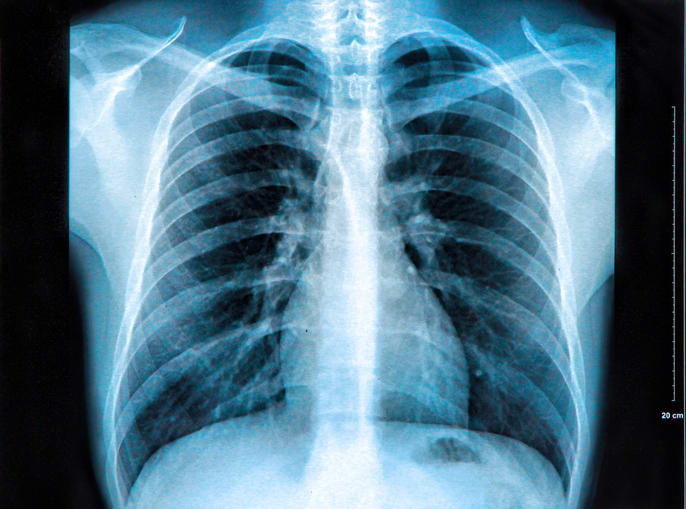
Clinical Report: Radiologists may misidentify AI images
Overview
A study found that radiologists correctly identified approximately 75% of AI-generated radiological images, with accuracy varying by imaging modality and subspecialty expertise.
Background
As artificial intelligence (AI) technologies advance, their integration into radiology raises concerns about the ability of radiologists to accurately identify AI-generated images. This study provides insights into the current capabilities and limitations faced by radiologists in this evolving landscape.
Data Highlights
Imaging Modality
Correct Identification Rate
CT
70%
MRI
77%
Ultrasound
88%
Radiographs
91%
Key Findings
Median correct classification rate for AI-generated images was 75%.
Radiologists with subspecialty interest had higher accuracy (81%) compared to those without (77%).
CT images had the lowest median accuracy at 70%, while radiographs had the highest at 91%.
Confidence in classification was correlated with accuracy, varying by imaging modality.
Years of experience and self-reported familiarity with AI did not significantly impact classification performance.
Clinical Implications
Radiologists should be aware of the challenges in identifying AI-generated images, particularly in modalities like CT and MRI. Training and familiarity with AI technologies may enhance diagnostic accuracy, especially in subspecialty areas.
Conclusion
The study underscores the need for ongoing education and awareness among radiologists regarding the capabilities of AI in imaging, as performance varies significantly by modality and expertise.
A general-purpose AI model performed comparably to experienced readers, but substantial errors highlighted the limits of chest radiography for quantifying pleural fluid.
Automated lesion measurements increased agreement on treatment response, although expert-generated proposals were accepted more often and required fewer adjustments.
A regional UK audit found wide variation in imaging intervals among patients referred for mechanical thrombectomy and identified potentially modifiable barriers to timely vascular imaging.