Clinical Report: Ocular Toxoplasmosis Review
Overview
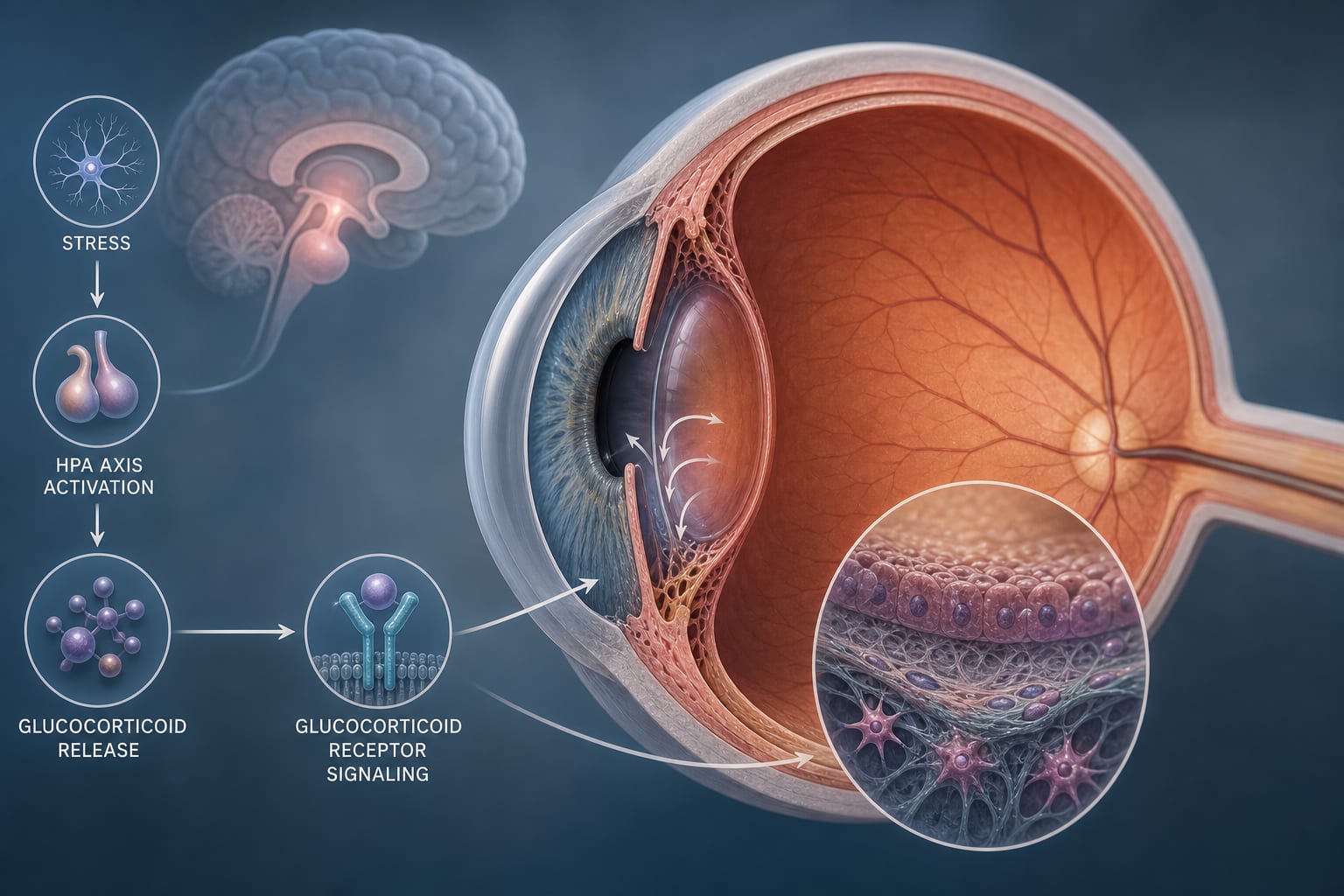
A retrospective study indicates that patients with ocular toxoplasmosis who sleep between six and eight hours per night may have a lower risk of disease recurrence. The study also suggests potential links between psychological stress, pregnancy, and the risk of reactivation.
Background
Ocular toxoplasmosis is the leading cause of infectious posterior uveitis globally, often leading to recurrent episodes that can cause significant retinal damage and vision loss. Understanding the factors influencing recurrence is crucial for improving patient outcomes and guiding long-term management strategies.
Data Highlights
| Finding | Details |
|---|---|
| Study Cohort | 86 patients treated from 1996 to 2023 |
| Follow-up Duration | Median of 8 years |
| Recurrence Rate | 58% by 7 years |
| Sleep Duration | Lower recurrence in patients sleeping 6-8 hours |
| Pregnancy Risk | 3-fold higher recurrence in pregnant women |
Key Findings
- Patients sleeping 6-8 hours per night had a lower recurrence risk.
- 21 out of 43 patients experienced at least one recurrence.
- Median time to first recurrence was slightly over 6 years.
- Pregnancy was associated with a threefold increase in recurrence risk.
- No significant associations found with traditional risk factors like age, sex, or smoking.
Clinical Implications
Clinicians should consider sleep patterns and psychological stress as potential factors influencing recurrence in patients with ocular toxoplasmosis. Monitoring and support for patients, especially those who are pregnant or under significant stress, may be beneficial.
Conclusion
The study highlights the importance of lifestyle and physiological factors in the recurrence of ocular toxoplasmosis, suggesting a need for further research to identify high-risk individuals.
Related Resources & Content
- AHMAD A. AREF, MD et al., Retinal Physician, 2009 -- Ocular Toxoplasmosis as the Presenting Sign of AIDS
- Frontiers in Pediatrics, 2026 -- Atypical congenital toxoplasmosis presenting with neonatal jaundice and central nervous system involvement: a case report and therapeutic challenges to limited access to first-line anti-toxoplasma medications
- Open Forum Infectious Diseases, 2023 -- Evaluating the Role and Challenges of Polymerase Chain Reaction (PCR) in Diagnosing and Managing Toxoplasmosis After Allogeneic Hematopoietic Cell Transplant: Insights from a 16-Year Study of 31 Patients at a Single Center
- Contact Lens Spectrum — treatment plan
- Clinical Care of Toxoplasmosis | Toxoplasmosis | CDC
- Randomized Trial of Intravitreal Clindamycin and Dexamethasone versus Pyrimethamine, Sulfadiazine, and Prednisolone in Treatment of Ocular Toxoplasmosis - Ophthalmology
- Risk factors for recurrences and visual impairment in patients with ocular toxoplasmosis: A systematic review and meta-analysis | PLOS One
Based on findings from:
Ocular Toxoplasmosis Review
The Ophthalmologist, 2026.
https://theophthalmologist.com/issues/2026/articles/july/ocular-toxoplasmosis-review/
This content is an AI-generated, fully rewritten summary based on a published scholarly article. It does not reproduce the original text and is not a substitute for the original publication. Readers are encouraged to consult the source for full context, data, and methodology.