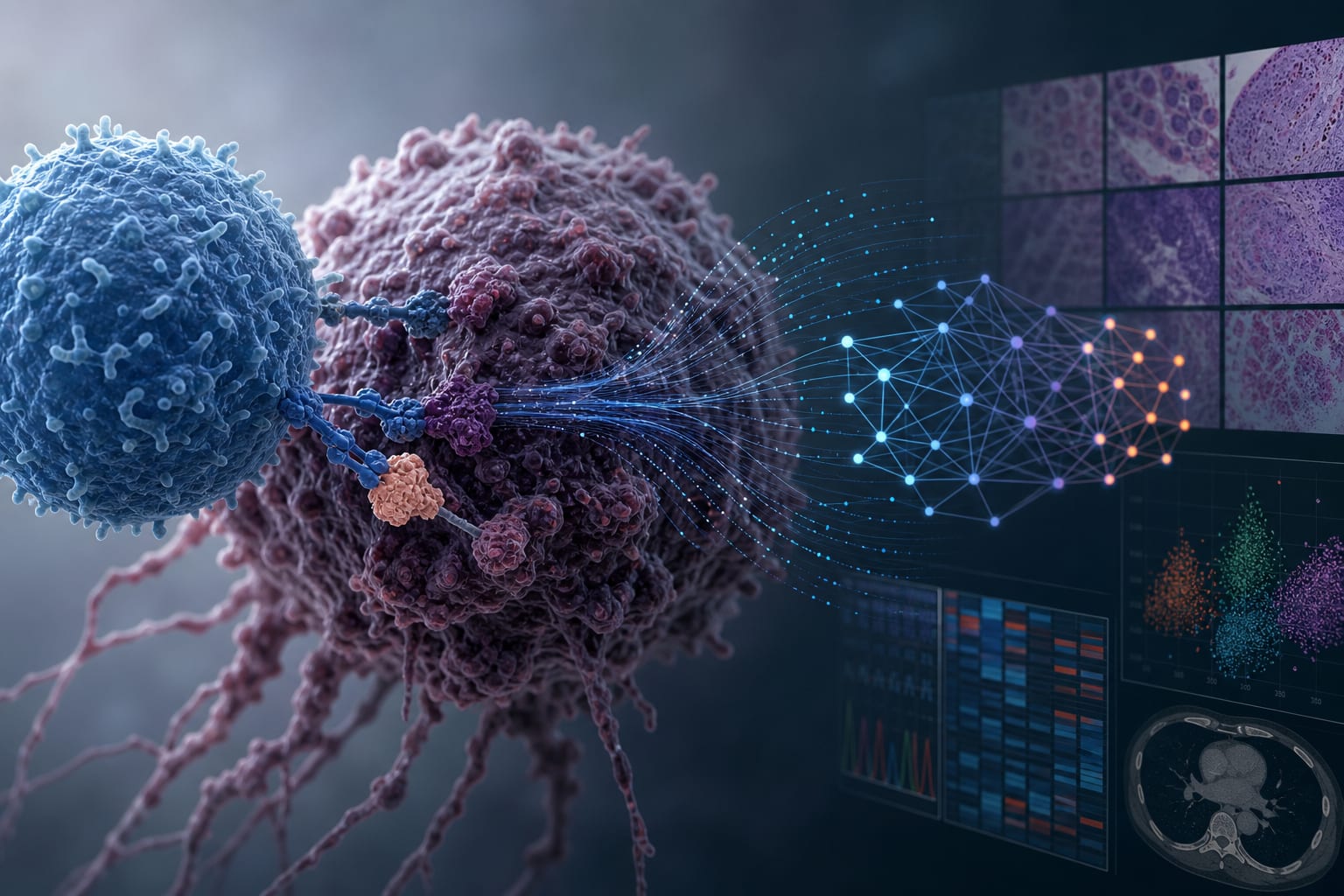
Clinical Report: VCAM1 from Glial Cells Enhances the Advancement of Gliomas
Overview
This study identifies VCAM1 as a critical factor in glioma progression, particularly through its expression in glioma stem cell-like cells and astrocytes within the tumor microenvironment. Selective deletion of astrocytic VCAM1 significantly improves survival in glioma-bearing mouse models, suggesting its potential as a therapeutic target.
Background
Gliomas, particularly glioblastomas, are aggressive brain tumors with poor prognoses and limited treatment options. Understanding the tumor microenvironment (TME) and its interactions with glioma cells is essential for developing effective therapies. VCAM1's role in mediating these interactions highlights a potential avenue for targeted treatment strategies.
Data Highlights
{'format': 'Ensure the table is accessible and visually clear.'}
Key Findings
{'add': 'Include a finding on treatment resistance related to VCAM1.'}
Clinical Implications
Targeting VCAM1 signaling may provide a novel therapeutic strategy for glioma treatment, particularly in enhancing patient survival. Clinicians should consider the tumor's location and genetic factors when evaluating VCAM1 as a therapeutic target.
Conclusion
Astrocyte-derived VCAM1 is a significant driver of glioma progression, and its inhibition could represent a promising therapeutic approach. Further research is needed to explore its clinical applications in diverse glioma subtypes.