Oral-Gut-Liver Axis: Periodontal Microbiota's Role in Liver Disease Development
Overview
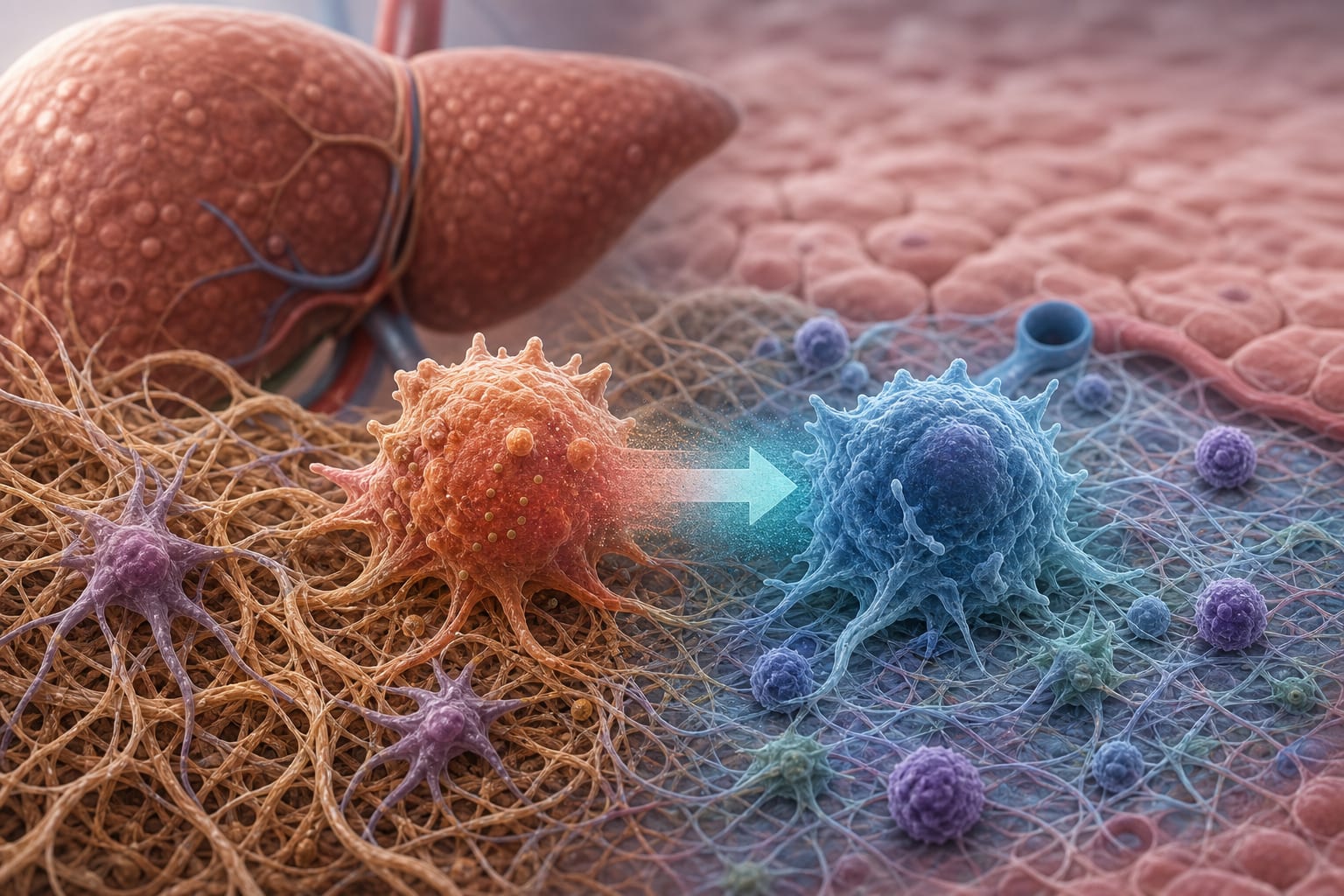
Emerging evidence highlights the critical role of oral microbiota dysbiosis, particularly periodontitis and pathogens like Fusobacterium nucleatum, in the progression of chronic liver diseases such as NAFLD, cirrhosis, and hepatocellular carcinoma. The oral–gut–liver axis mediates liver pathology through bacterial translocation, systemic inflammation, metabolite dissemination, and gut microbiota disruption.
Background
Chronic liver diseases (CLDs) including NAFLD and hepatocellular carcinoma (HCC) represent major global health challenges with limited effective treatments. The oral microbiota, a complex microbial community, influences systemic health beyond the oral cavity through mechanisms like bacteremia and immune modulation. Periodontitis, characterized by oral microbial dysbiosis, induces systemic inflammation and oxidative stress, which are key contributors to liver disease pathogenesis. Understanding the oral–gut–liver axis offers new insights into modifiable risk factors and potential diagnostic and therapeutic strategies for CLDs.
Data Highlights
NAFLD affects approximately 25% of the global population. In China, over 20% of the population suffers from chronic liver diseases including cirrhosis, HCC, NAFLD, and alcoholic liver disease. Periodontal pathogens such as Fusobacterium nucleatum can translocate to the liver, activating inflammatory pathways via Toll-like receptor 4 (TLR4) and nuclear factor kappa B (NF-κB), promoting disease progression.
Key Findings
Periodontitis and oral pathogens like Fusobacterium nucleatum are independent risk factors for NAFLD progression, cirrhosis development, and hepatocellular carcinoma incidence.
Four main mechanisms link oral microbiota to liver disease: direct bacterial translocation, systemic dissemination of bacterial metabolites (e.g., LPS), systemic immune inflammation, and gut microbiota dysbiosis.
F. nucleatum translocates via bacteremia to the liver, activating TLR4 on Kupffer cells and triggering NF-κB-mediated inflammatory cascades that exacerbate liver injury.
Periodontal pathogens induce reactive oxygen species (ROS) production, creating a vicious cycle of inflammation and oxidative stress contributing to hepatocyte damage.
Oral microbial profiles show promise as noninvasive biomarkers for liver disease diagnosis and prognosis.
Preliminary clinical trials suggest periodontal therapy can improve metabolic parameters in NAFLD patients, supporting interdisciplinary management approaches.
Clinical Implications
Clinicians should recognize periodontitis as a modifiable risk factor influencing liver disease progression and consider integrating oral health assessments into hepatology practice. Periodontal treatment may offer adjunctive benefits in managing NAFLD and other chronic liver diseases by reducing systemic inflammation and oxidative stress. Collaborative care between oral medicine and hepatology could enhance early diagnosis and improve patient outcomes.
Conclusion
The oral–gut–liver axis represents a critical pathway linking periodontal microbiota dysbiosis to chronic liver disease pathogenesis. Targeting oral health may provide novel opportunities for prevention, diagnosis, and treatment of liver diseases.
References
Author/Source/Year -- The Connection Between Periodontal Microbiota and Liver Disease Development: Insights into the Oral-Gut-Liver Axis