Clinical characteristics, predictive factors, and therapeutic outcomes of mycoplasma pneumoniae pneumonia with pleural effusion in children: a retrospective cohort study - Report - MDSpire
Advertisement
Clinical characteristics, predictive factors, and therapeutic outcomes of mycoplasma pneumoniae pneumonia with pleural effusion in children: a retrospective cohort study
Clinical Features, Prognostic Indicators, and Treatment Outcomes of Mycoplasma Pneumoniae Pneumonia with Associated Pleural Effusion in Pediatric Patients
Overview
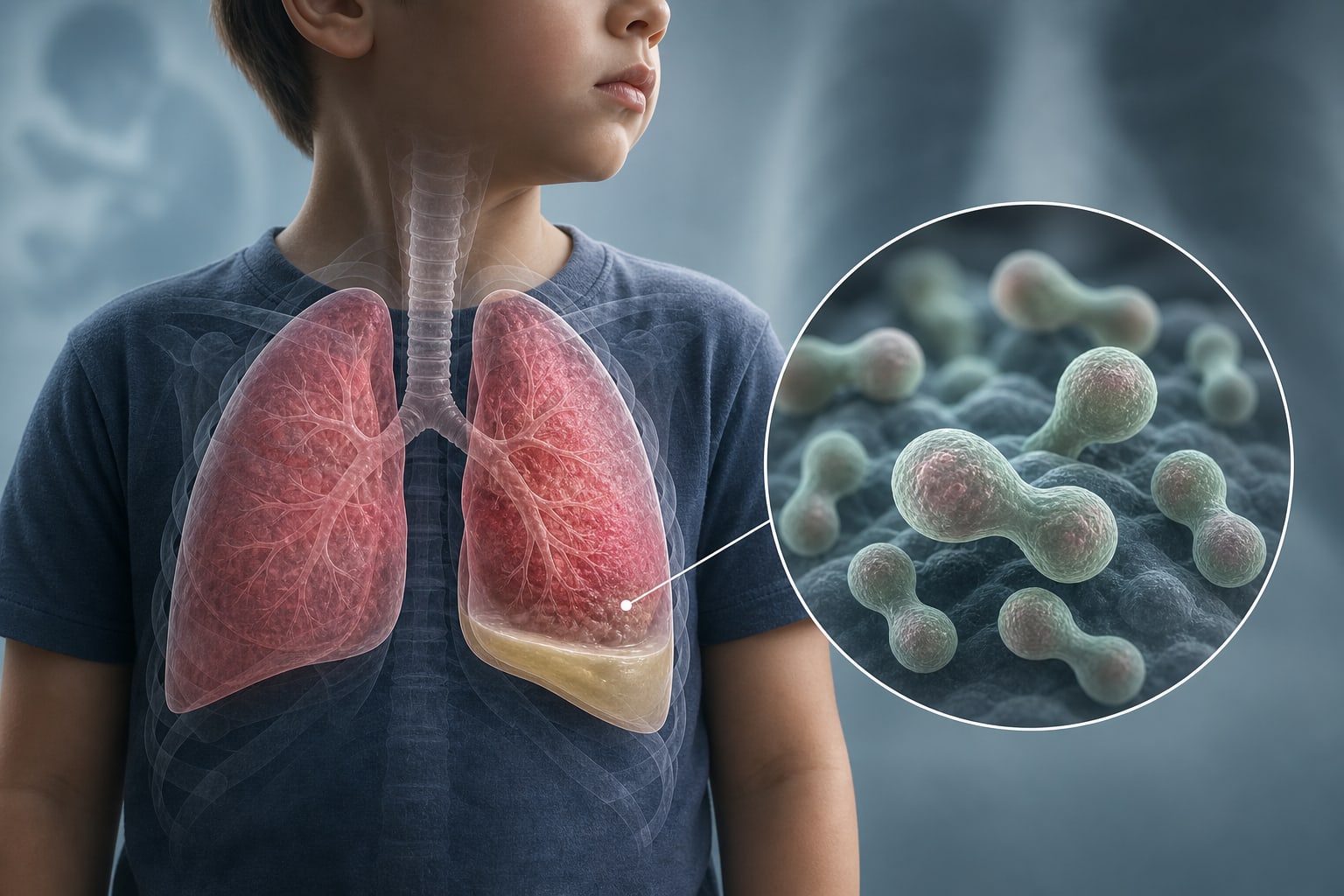
This study analyzes the clinical characteristics and predictive factors of Mycoplasma pneumoniae pneumonia in children, particularly focusing on those with associated pleural effusion. Key findings indicate that age, CRP levels, and white blood cell counts are predictors of pleural effusion in this population.
Background
Mycoplasma pneumoniae is a prevalent respiratory pathogen in children, often leading to community-acquired pneumonia. The occurrence of pleural effusion as a complication can impact patient outcomes and necessitates careful management. Understanding the predictors of pleural effusion in pediatric patients with Mycoplasma pneumoniae pneumonia is important.
Data Highlights
Parameter
MPP with Pleural Effusion
MPP without Pleural Effusion
Age
Higher
Lower
Length of Hospital Stay
Higher
Lower
CRP Level
Higher
Lower
WBC Count
Higher
Lower
Neutrophil Count
Higher
Lower
IgM Level
Higher
Lower
IgA Level
Lower
Higher
Key Findings
Age, CRP, WBC count, and IgM levels are correlated with pleural effusion in children with MP pneumonia.
Children with pleural effusion had a longer hospital stay compared to those without.
Autumn infections were associated with a lower incidence of pleural effusion.
Neutrophil counts were significantly higher in the pleural effusion group.
IgA levels were significantly lower in the pleural effusion group during autumn.
Clinical Implications
Recognizing the predictors of pleural effusion in children with Mycoplasma pneumoniae pneumonia can aid in early identification and treatment.
Conclusion
The study highlights important clinical predictors of pleural effusion in pediatric Mycoplasma pneumoniae pneumonia.