After the Prescription: The Clinical Support Gap in Telehealth-Based GLP-1 Care
-
By
-
Anna Zucker
-
May 28, 2026
-
0 min
Clinical Report: Bridging the Clinical Support Divide in Telehealth-Enabled GLP-1 Treatment Post-Prescription
Overview
Telehealth platforms have improved access to GLP-1 medications for obesity, facilitating quicker prescriptions. However, the lack of integrated clinical support may lead to adverse outcomes such as lean tissue loss and micronutrient deficiencies.
Background
Obesity affects 40% of Americans and is linked to serious health conditions like hypertension and type 2 diabetes. GLP-1 medications represent a significant advancement in obesity treatment, yet their effectiveness can be compromised without proper nutritional and behavioral support. The rise of telehealth has made these medications more accessible, but it has also highlighted a gap in comprehensive patient care.
Data Highlights
No numerical data presented in the source material.
Key Findings
- Telehealth platforms have increased access to GLP-1 medications, aiding weight loss for many patients.
- Research indicates that some patients experience loss of lean tissue and micronutrient deficiencies due to insufficient clinical support.
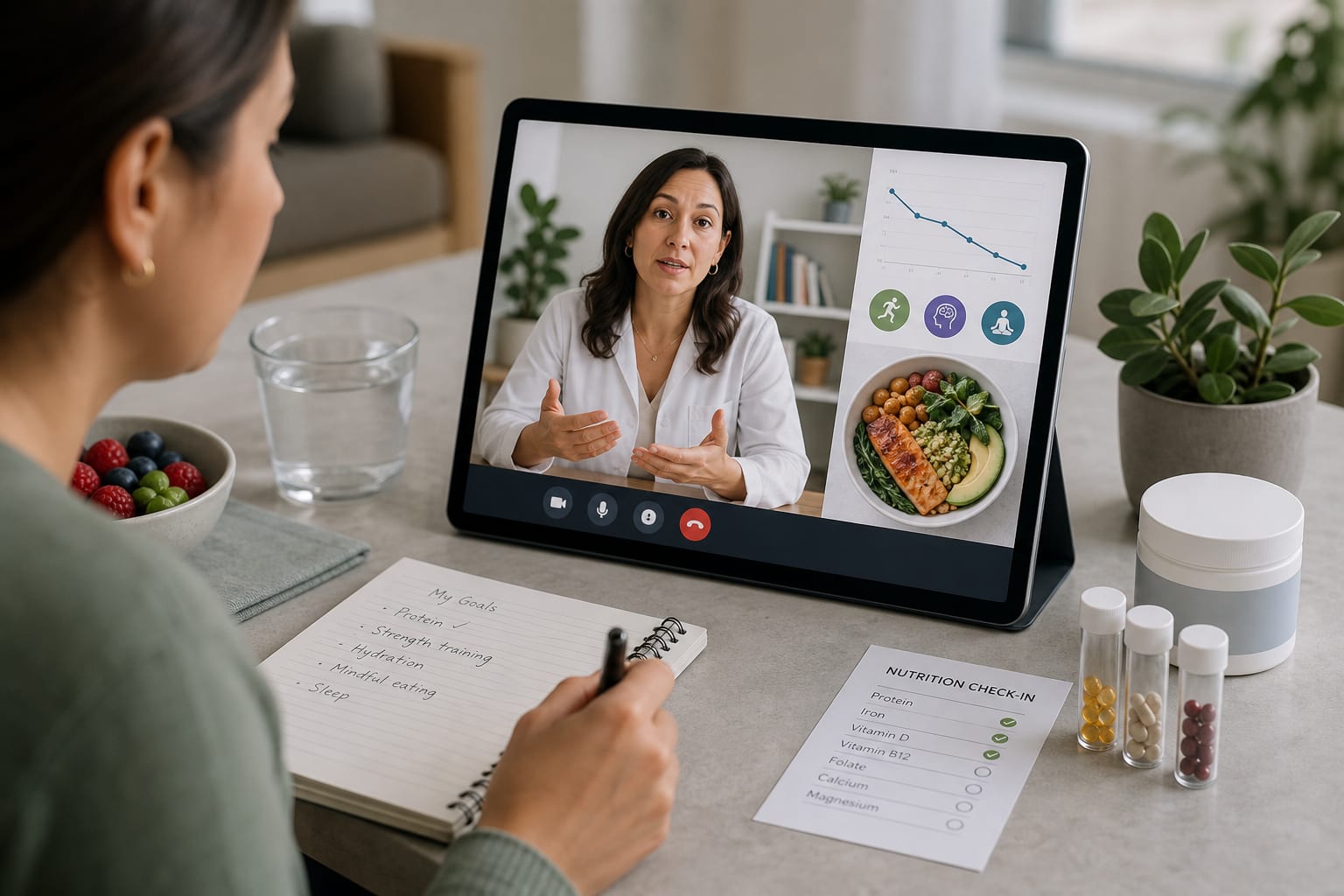
- Integration of registered dietitians into telehealth programs can enhance patient outcomes by promoting sustainable lifestyle changes.
- Patients on GLP-1 medications may face risks of inadequate protein intake and dietary quality without clinical guidance.
- Cost remains a barrier for self-pay patients, affecting their ability to achieve optimal weight loss outcomes.
Clinical Implications
Healthcare providers should consider incorporating registered dietitians into telehealth programs to provide comprehensive support for patients on GLP-1 medications. Monitoring nutritional intake and addressing potential deficiencies is crucial for optimizing patient outcomes.
Conclusion
While telehealth has expanded access to GLP-1 medications, it is essential to address the accompanying lack of clinical support to ensure safe and effective weight management.
Related Resources & Content
- European Journal of Preventive Cardiology, 2026 -- Advancing Tailored Secondary Prevention Strategies for Myocardial Infarction and Stroke Using GLP-1 Receptor Agonists
- conexiant, 2026 -- Was the GLP-1 Problem Always Cost?
- JAMA Internal Medicine, 2026 -- Holding vs Continuing GLP-1/GIP Agonists Before Upper Endoscopy: The OCULUS Randomized Clinical Trial
- The New Gastroenterologist, 2025 -- Increase in GLP-1 Medication Utilization Post-Bariatric Surgery
- 8. Obesity and Weight Management for the Prevention and Treatment of Diabetes: Standards of Care in Diabetes–2026
- Semaglutide and Cardiovascular Outcomes in Obesity without Diabetes | New England Journal of Medicine
- Metabolic rebound after GLP-1 receptor agonist discontinuation: a systematic review and meta-analysis - PMC
- 8. Obesity and Weight Management for the Prevention and Treatment of Diabetes: Standards of Care in Diabetes–2026
- Semaglutide and Cardiovascular Outcomes in Obesity without Diabetes | New England Journal of Medicine
- Metabolic rebound after GLP-1 receptor agonist discontinuation: a systematic review and meta-analysis - PMC
This content is an AI-generated, fully rewritten summary based on a published scholarly article. It does not reproduce the original text and is not a substitute for the original publication. Readers are encouraged to consult the source for full context, data, and methodology.