Clinical Report: Analyzing Smart Bioelectronics in Digital Health
Background
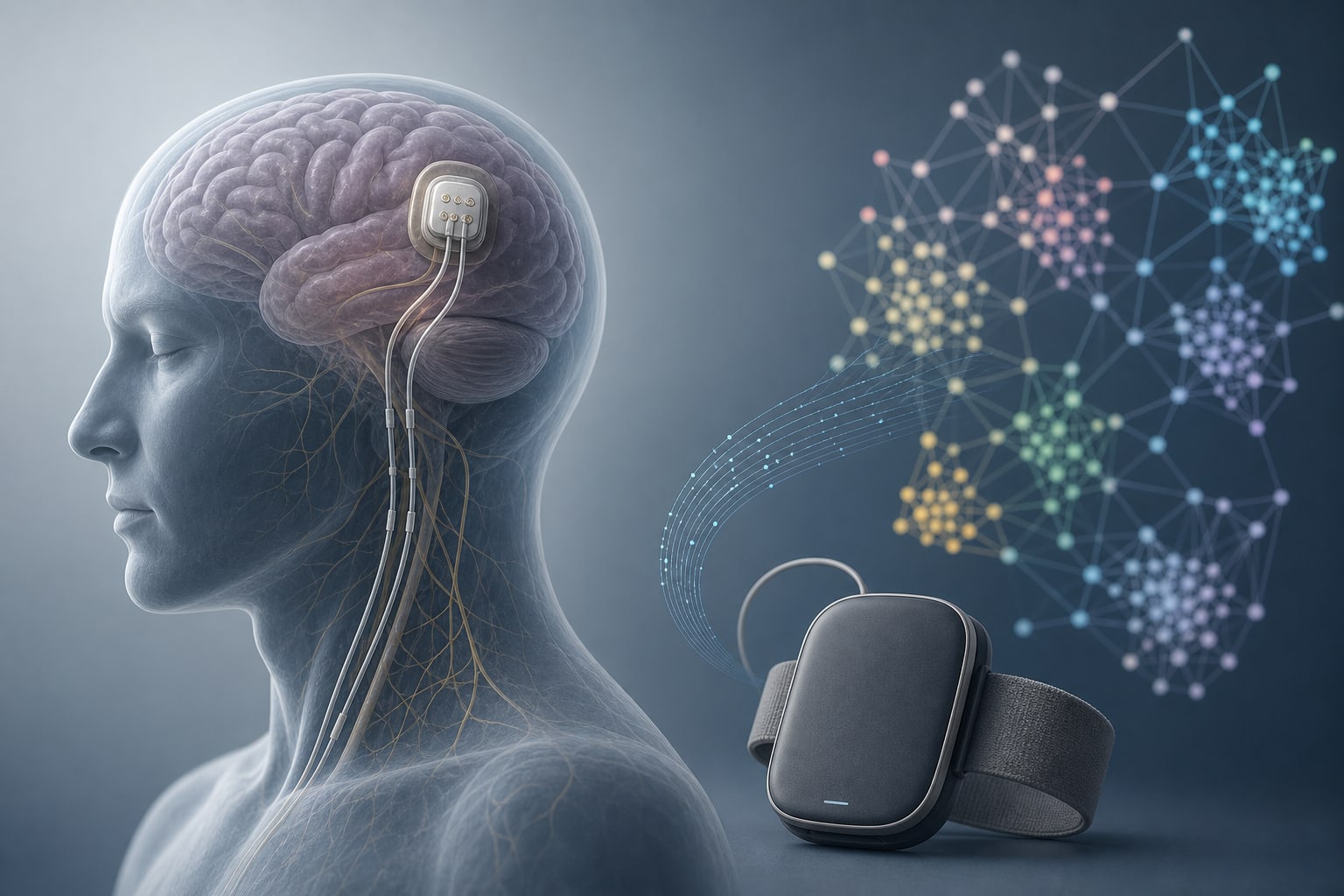
Bioelectronics are medical devices that provide therapeutic effects through physical stimulation without using drugs and are receiving attention in the medical community because they can solve the side effects and misuse problems associated with existing drug treatments. Although existing drug treatments use chemical components to cause biochemical reactions in the body to relieve symptoms, bioelectronics directly stimulate nerves to induce therapeutic effects; therefore, their mechanism of action is clear, and side effects are relatively low. In addition, real-time treatment monitoring and immediate feedback are possible, allowing for more precise treatment. In the past, bioelectronics were used in a limited manner by inserting them into the body, such as pacemakers, but recently, as they have evolved into noninvasive methods, an environment is being created where patients can receive treatment at home. In addition, the market is rapidly expanding as clinical efficacy has been proven for various diseases such as depression, insomnia, headache, dementia, and epilepsy. In the global market, commercialization of bioelectronics is actively progressing, centered around the United States and Europe, and the number of related products is gradually increasing. In contrast, the domestic bioelectronics market is still in its initial stages, and product development and clinical application are not active, so competitiveness is low. Accordingly, research and new technology development for effective clinical application of bioelectronics are essential in Korea as well, and it is necessary to increase treatment precision and strengthen the competitiveness of the medical device industry through the combination with artificial intelligence (AI), big data, and wearable technology.
Data Highlights
No numerical or trial data was provided in the source material.
Key Findings
Bioelectronics provide therapeutic effects through direct nerve stimulation, minimizing side effects compared to traditional drugs.
The market for bioelectronics is expanding, particularly in the United States and Europe, with applications in conditions like depression and epilepsy.
Text mining and topic modeling are effective tools for analyzing research trends in bioelectronics.
Three main research topics were identified: changes in research trends, core keywords in smart bioelectronics, and strategic directions from topic analysis.
Integration of AI and big data with bioelectronics is essential for enhancing treatment precision.
Clinical Implications
The findings indicate the need for further exploration of advancements in bioelectronics and their applications in various medical conditions.
Conclusion
This study provides insights into the evolving landscape of smart bioelectronics research.