Clinical Report: Long-term Outcomes Following Multimodal Therapy in Patients with Metastatic Uveal Melanoma
Overview
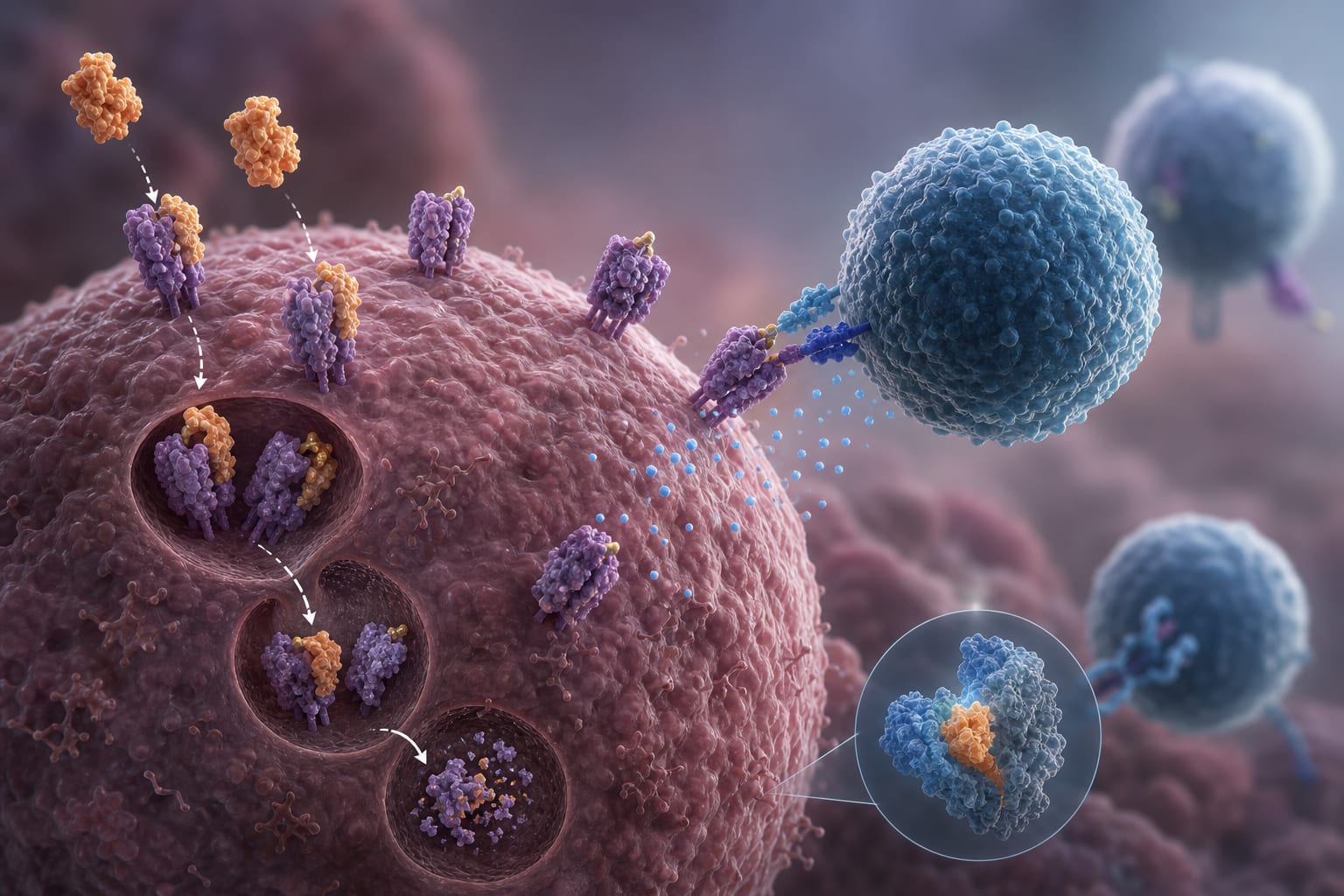
This case study presents a 39-year-old woman with metastatic uveal melanoma who achieved durable disease control following a combination of tebentafusp and stereotactic body radiotherapy (SBRT). The findings suggest a potential synergistic effect between these therapies, highlighting the need for further investigation into multimodal treatment strategies.
Background
Uveal melanoma (UM) is a rare but aggressive intraocular malignancy with limited treatment options and poor prognosis once metastatic. The introduction of tebentafusp has improved survival rates, yet durable responses remain infrequent. Understanding the interactions between systemic therapies and local treatments, such as radiotherapy, is crucial for optimizing patient outcomes.
Data Highlights
No numerical data provided in the article.
Key Findings
The patient initially treated with proton therapy developed liver and hilar adenopathy metastases seven years later.
After starting tebentafusp, imaging revealed oligoprogression in a hilar adenopathy while hepatic lesions remained stable.
Following SBRT, the patient demonstrated a partial response across all lesions at nine months.
The patient maintained disease control for an additional 35 months with an ECOG performance status of 0.
This case suggests a synergistic interaction between tebentafusp and SBRT, enhancing treatment efficacy.
Clinical Implications
The combination of tebentafusp and SBRT may offer a promising treatment strategy for patients with metastatic uveal melanoma, potentially leading to improved outcomes. Clinicians should consider multimodal approaches in managing this challenging disease.
Conclusion
This case underscores the potential benefits of integrating systemic and local therapies in metastatic uveal melanoma. Further studies are needed to validate these findings and explore predictive biomarkers for treatment response.
by Francesca Rifaldi, Martina Angi, Giuseppe Leone, Marta De Ponti, Marta Vaiani, Andrea Spagnoletti, Alice Indini, Michele Del Vecchio, Lorenza Alessia Di Guardo