Development and validation of a multimodal interpretable machine learning model for the identification of osteoporosis in patients with type 2 diabetes mellitus: a multicenter retrospective study - Report - MDSpire
Conexiant’s news site is now MDSpire News. Learn more
Advertisement
Creation and assessment of an interpretable multimodal machine learning model for detecting osteoporosis in individuals with type 2 diabetes mellitus: a multicenter retrospective analysis
Clinical Report: Multimodal Machine Learning Model for Osteoporosis in T2DM
Overview
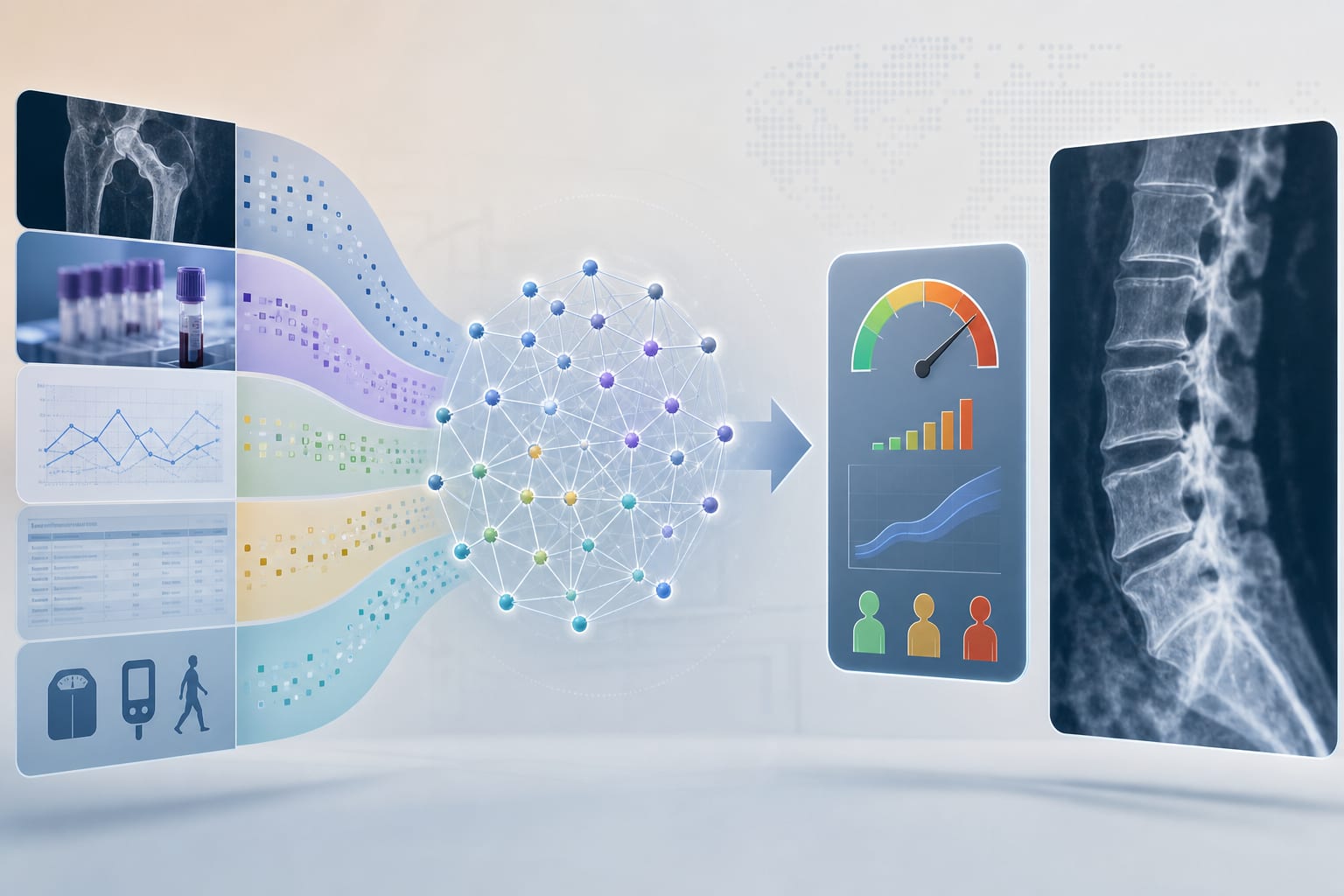
This study developed a multimodal machine learning model to detect osteoporosis in patients with type 2 diabetes mellitus (T2DM), achieving high accuracy in identifying osteoporosis risk. The model integrates various clinical data.
Background
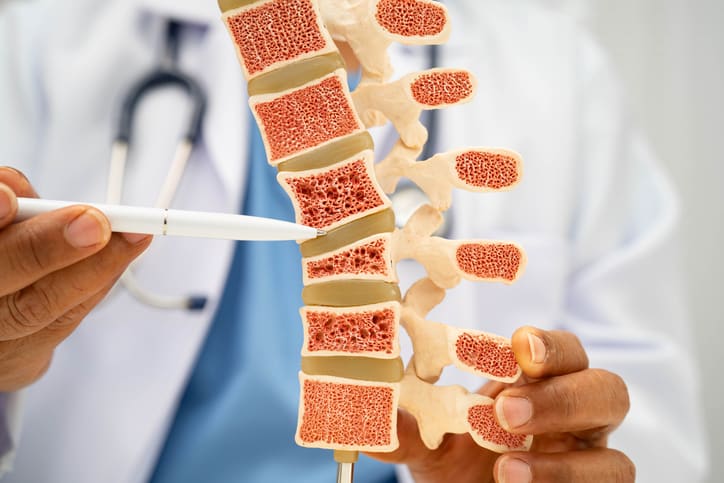
Osteoporosis is a significant complication in T2DM patients, increasing fracture risk and mortality. Current screening methods are often inadequate. This study utilizes machine learning to enhance osteoporosis detection in this high-risk population.
Data Highlights
Cohort
Sample Size
AUC
Training Set
852
0.877 (95% CI: 0.830–0.923)
External Validation Set
126
0.911 (95% CI: 0.879–0.943)
Key Findings
Seven predictors identified: age, hemoglobin, neutrophil count, uric acid, lymphocyte-to-HDL ratio, skeletal muscle index at L3, and metabolic score for visceral fat.
The eXtreme Gradient Boosting (XGBoost) model outperformed other algorithms in predicting osteoporosis risk.
SHAP analysis indicated age, hemoglobin, and uric acid as the most significant contributors to the model.
Calibration and decision curve analyses confirmed the model's clinical utility.
The prevalence of osteoporosis among T2DM patients in China is estimated at 35%, projected to rise to 40.8% by 2030.
Clinical Implications
Further prospective validation is necessary to establish the clinical utility of the developed model.
Conclusion
This study presents a robust machine learning model for osteoporosis risk prediction in T2DM.
As osteoporosis treatment continues to evolve, clinicians are moving beyond bone mineral density scores alone and placing greater emphasis on fracture risk when making therapeutic decisions