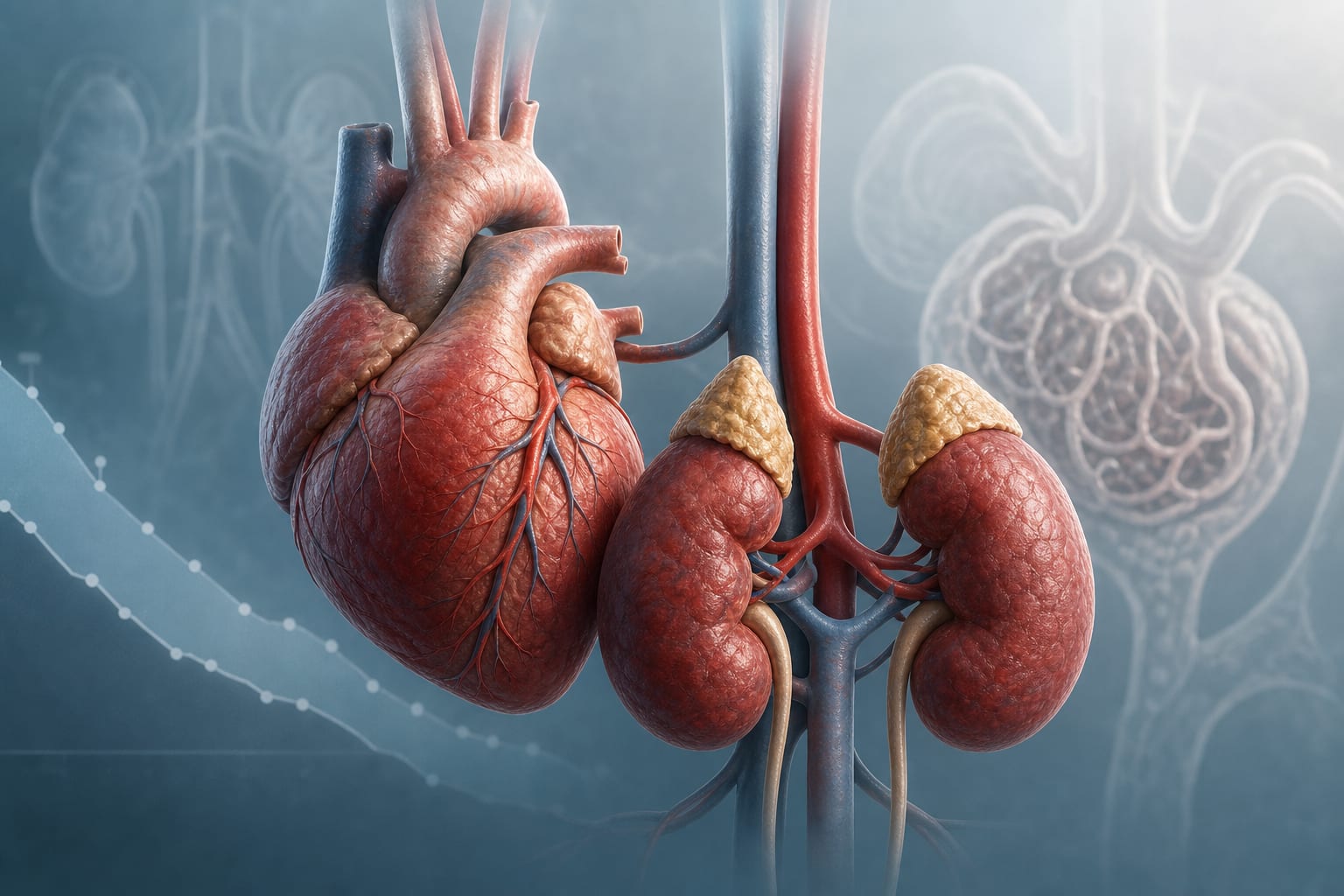
Clinical Report: Long-term Cardiovascular Effects of COVID-19
Overview
This narrative review summarizes the long-term cardiovascular effects of COVID-19 in both hospitalized and non-hospitalized patients. It highlights that while hospitalized patients face a higher risk of severe cardiovascular complications, non-hospitalized individuals may also experience significant cardiac issues.
Background
COVID-19 has been recognized not only as a respiratory illness but also as a condition that can lead to various long-term cardiovascular complications. Understanding the cardiovascular implications of COVID-19 is crucial, especially given the high prevalence of cardiovascular disease globally. The intersection of COVID-19 and cardiovascular health poses significant challenges for patient management and public health.
Data Highlights
Seventy-one studies were included in the review, with follow-up periods ranging from less than 1 month to over 24 months. Hospitalized patients reported more frequent cardiovascular symptoms, while echocardiographic abnormalities were noted across all groups.
Key Findings
Hospitalized patients are at a higher risk for long-term cardiovascular complications, including myocardial injury and heart failure.
Common cardiovascular symptoms in long COVID include palpitations, chest pain, fatigue, and arrhythmias.
Non-hospitalized individuals may experience subclinical cardiac changes despite mild or asymptomatic COVID-19.
Vaccination appears to have a protective effect against long-term cardiovascular complications.
Standardized, prospective studies are needed to clarify long-term cardiovascular risks and guide follow-up care.
Clinical Implications
Healthcare professionals should be vigilant in monitoring both hospitalized and non-hospitalized COVID-19 patients for cardiovascular symptoms. The findings underscore the importance of vaccination and structured follow-up care to mitigate long-term cardiovascular risks.
Conclusion
The long-term cardiovascular effects of COVID-19 are significant and warrant attention in both clinical practice and future research. Understanding these implications is essential for improving patient outcomes.
Investigative report cites internal communications, VAERS data, and CDC case reviews describing myocarditis and pericarditis reports in adolescents and young adults after mRNA COVID-19 vaccination.