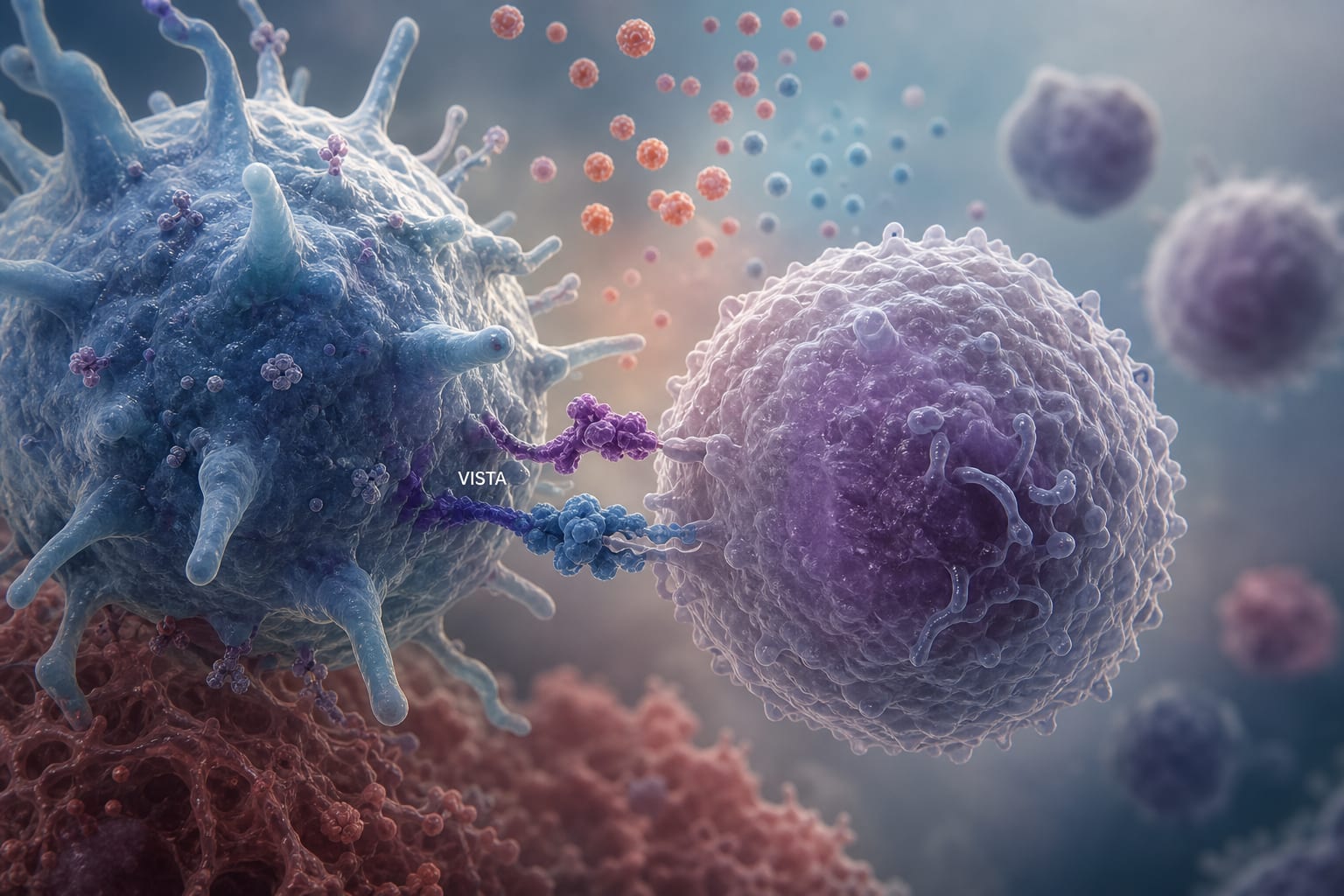
IFNγ-secreting iNKTs inhibit persistence of a live-attenuated chlamydia oral vaccine in the colon
Overview
This study identifies the role of IFNγ-secreting invariant natural killer T cells (iNKTs) in preventing the persistence of a live-attenuated chlamydia oral vaccine, intrOv, in the colon. The findings indicate a division of labor between iNKTs and group 3 innate lymphoid cells (ILC3s) in regulating chlamydial interactions with host mucosal tissue.
Background
Chlamydia infections are a significant public health concern, particularly due to their association with severe complications such as pelvic inflammatory disease and infertility. The development of effective vaccines against Chlamydia trachomatis has been challenging, with no licensed vaccine currently available. Understanding the immune mechanisms that prevent chlamydial persistence is crucial.
Data Highlights
No numerical data or trial data provided in the source material.
Key Findings
Invariant natural killer T cells (iNKTs) are necessary for preventing the persistence of the live-attenuated chlamydia oral vaccine intrOv in the colon.
Mice deficient in lymphocytes but competent in innate lymphoid cells (ILCs) allowed intrOv to persist, indicating the importance of lymphocytes.
IFNγ-producing iNKTs were identified as the specific lymphocyte subset responsible for preventing intrOv persistence.
Wild-type iNKTs can prevent intrOv persistence in mice lacking either lymphocytes or IFNγ.
Group 3 innate lymphoid cells (ILC3s) block intrOv shedding but do not clear its persistence.
Clinical Implications
The findings highlight the importance of iNKTs in the immune response to chlamydial infections and suggest that enhancing iNKT activity may improve the effectiveness of oral vaccines. Understanding the immune mechanisms involved can inform future vaccine development strategies.
Conclusion
The study identifies the role of IFNγ-secreting iNKTs in controlling chlamydial persistence.