Factors Influencing Conversion Rates in Laparoscopic Surgery for Crohn’s Disease
Overview
This study identifies independent preoperative predictors of conversion to open surgery in patients undergoing laparoscopic ileocecal resection for Crohn's disease.
Background
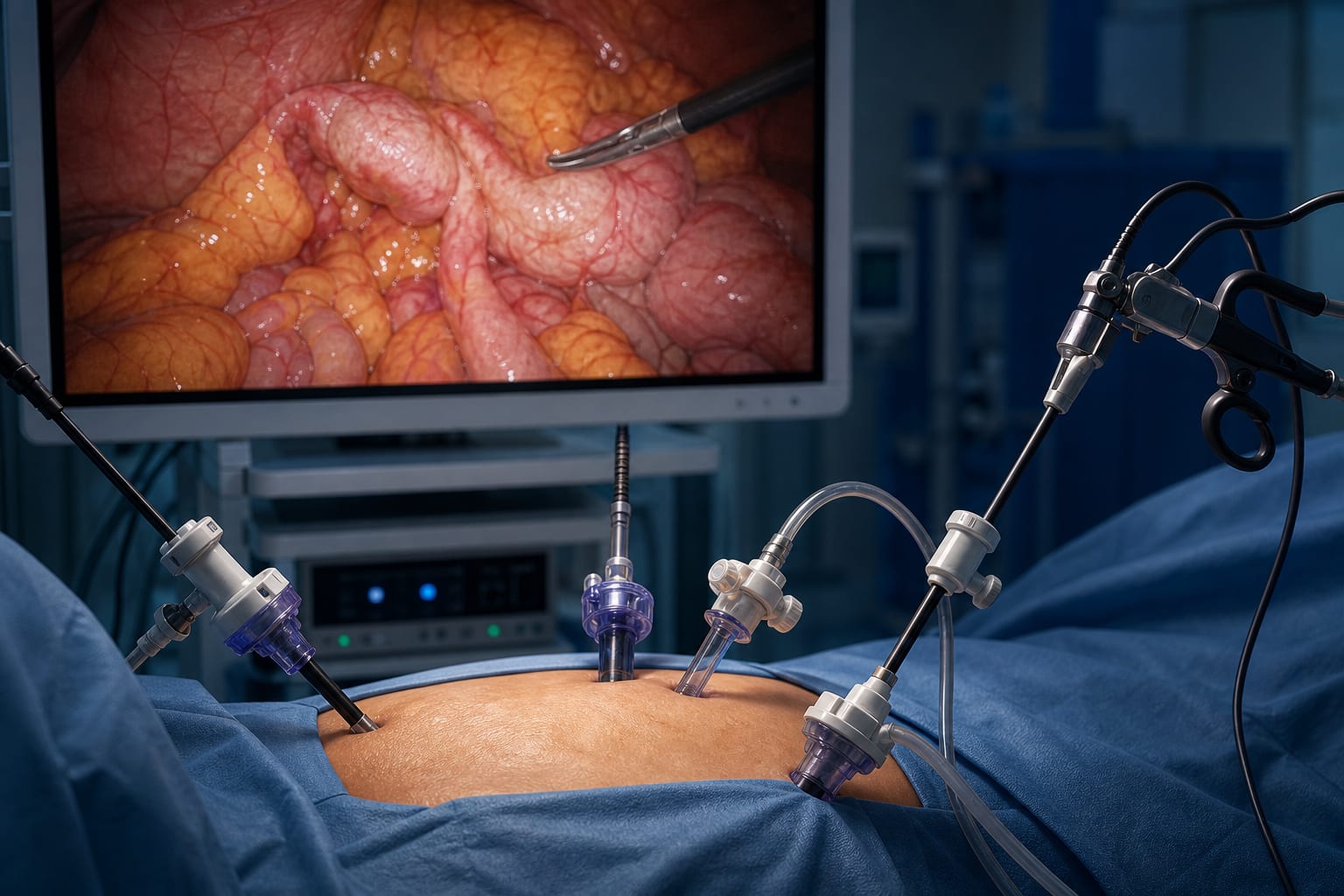
Crohn's disease often necessitates surgical intervention, with ileocecal resection being the standard treatment for localized disease. Laparoscopic techniques are preferred due to their associated benefits, yet conversion to open surgery remains a significant concern, impacting hospital stay and costs.
Data Highlights
No numerical data provided in the source material.
Key Findings
Conversion rates from laparoscopic to open surgery in Crohn's disease range from 10% to over 37%.
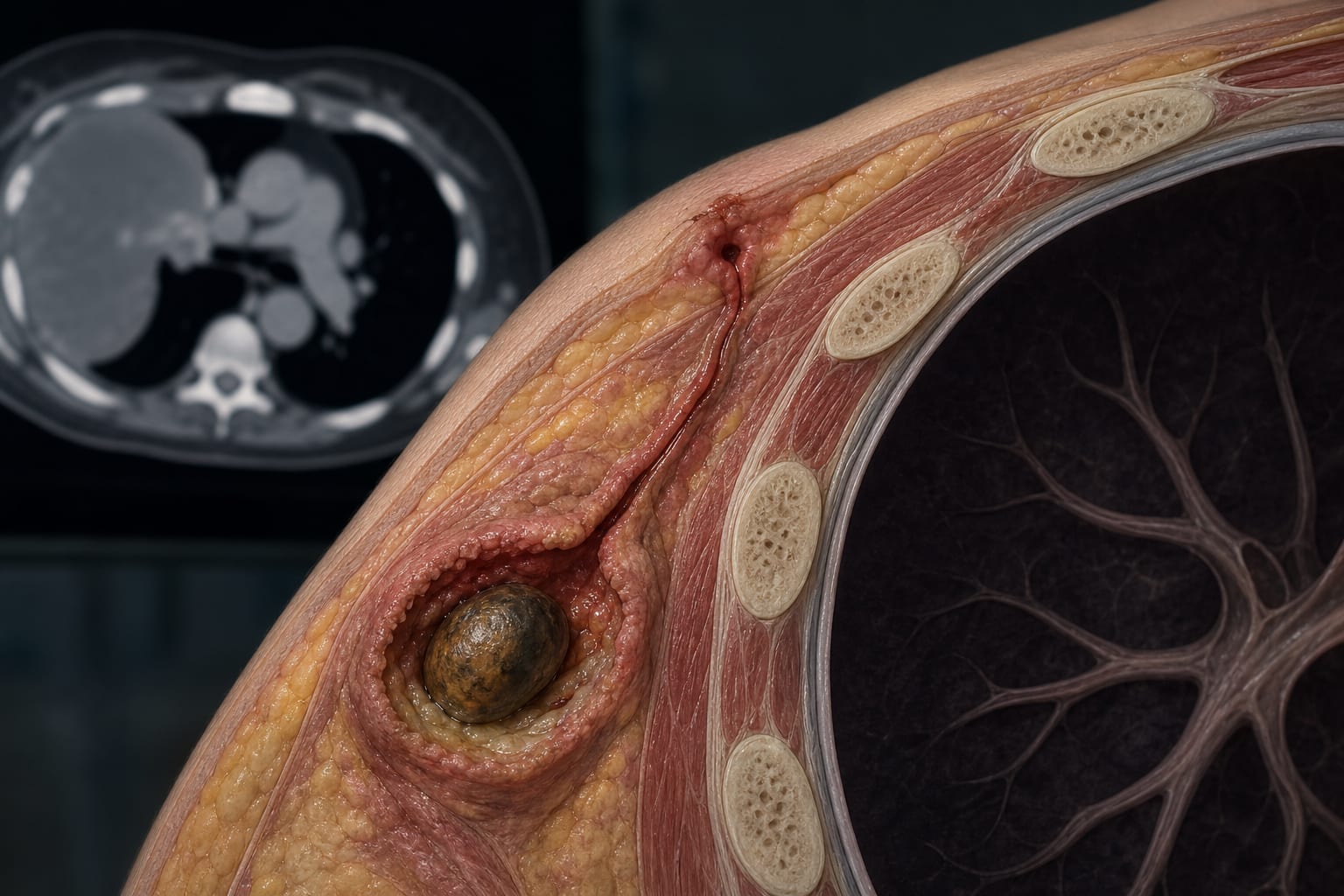
Obesity, previous abdominal surgery, and intra-abdominal abscesses are identified as potential predictors of conversion.
The impact of disease phenotypes (inflammatory, stricturing, penetrating) on conversion risk is unclear.
Conversion is associated with longer hospitalization and higher healthcare costs.
High-volume centers may manage complex cases laparoscopically.
Clinical Implications
Preoperative risk stratification is essential to minimize conversion rates.
Conclusion
Identifying predictors of conversion in laparoscopic surgery for Crohn's disease is vital. Further research is needed to clarify the role of disease behavior in conversion risk.
by Tommaso Violante, Stefano Cardelli, Giacomo Calini, Marco Novelli, Nicola Renzi, Lorenzo Gentilini, Nikolas Konstantine Dussias, Fernando Rizzello, Matteo Rottoli