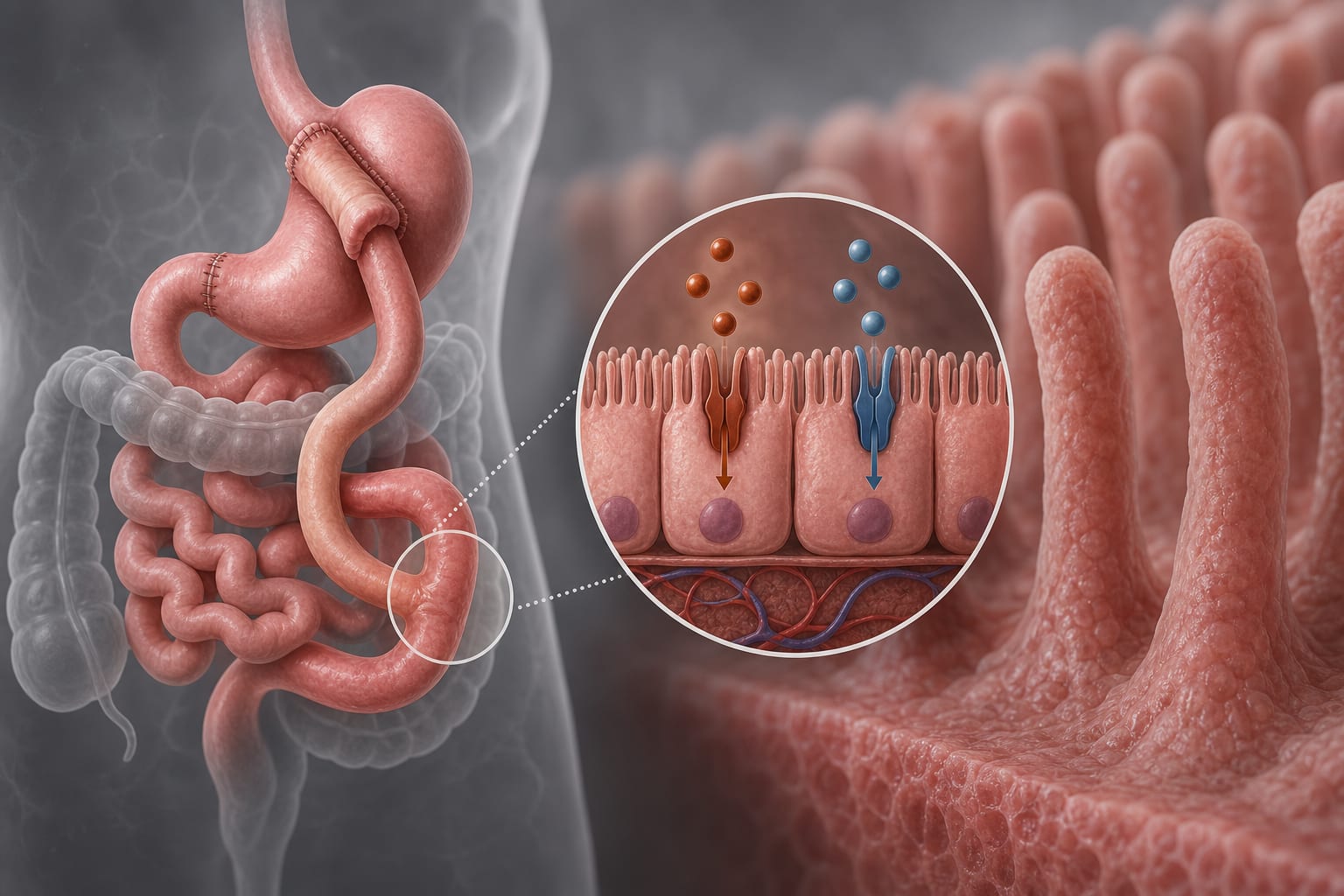
Clinical Report: Bariatric Surgery Impact on Depression in Obese Patients
Overview
This nested-control study using UK primary care data found that bariatric surgery in obese patients is associated with a reduced risk of developing new depression-related consultations and improved resolution of pre-existing depression. The analysis highlights the potential dual benefit of bariatric surgery on both physical and mental health outcomes.
Background
Obesity prevalence is rising globally, with significant health risks including depression, which negatively impacts quality of life and increases mortality. A bidirectional relationship exists where obesity exacerbates depression and vice versa. Bariatric surgery is an effective treatment for obesity and has shown promise in reducing depression severity, but few studies have focused on depression as a primary outcome. This study aims to clarify the impact of bariatric surgery on depression incidence and resolution using a large national dataset.
Data Highlights
The study analyzed data from 341,078 obese patients extracted from the Clinical Practice Research Datalink (CPRD), including 3,600 patients who underwent bariatric surgery. Cases were matched 5:1 to controls by age, gender, BMI category, and year of BMI recording. Depression-related consultations were identified via diagnostic codes or antidepressant prescriptions within 3 years before and after surgery. Kaplan-Meier and Cox regression analyses assessed time to depression consultation and resolution, adjusting for demographics and comorbidities.
Key Findings
Bariatric surgery patients had a significantly lower risk of developing new depression-related consultations compared to matched controls without surgery.
Among patients with pre-existing depression, those undergoing bariatric surgery showed higher rates of depression resolution over time than controls.
Matching ensured comparable baseline characteristics including age, BMI, and gender between surgical and control groups.
Comorbidities such as type II diabetes and hypertension were accounted for in the analysis, strengthening the association between surgery and depression outcomes.
Weight change after surgery influenced depression risk, with weight loss associated with reduced depression incidence.
Clinical Implications
Bariatric surgery should be considered not only for its physical health benefits but also for its potential to improve mental health by reducing depression risk and aiding depression resolution in obese patients. Clinicians should monitor psychological outcomes post-surgery and integrate mental health support as part of comprehensive obesity management.
Conclusion
This large-scale nested-control study supports bariatric surgery as an effective intervention to reduce the incidence and improve the resolution of depression in obese patients, highlighting its role in addressing both physical and mental health burdens associated with obesity.
References
UK Obesity Projections 2030 -- Public Health England
Clinical Practice Research Datalink (CPRD) Validation -- NIHR
Review on Bariatric Surgery and Depression Outcomes -- Recent Literature Review