Correction: Laparoscopic-total extraperitoneal anterior rectopexy (L-TEAR)—a preliminary report - Report - MDSpire

Correction: Laparoscopic-total extraperitoneal anterior rectopexy (L-TEAR)—a preliminary report

  • By

  • Abhijit Chandra

  • Deeban Ganesan

  • Mahesh Rajashekhara

  • Arun Manoharan

  • Akash Agrawal

  • Pritheesh Rajan

  • Rohit Jain

  • Julie Shah

  • May 13, 2026

  • 0 min

Share

Clinical Report: Correction on Laparoscopic Total Extraperitoneal Anterior Rectopexy

Overview

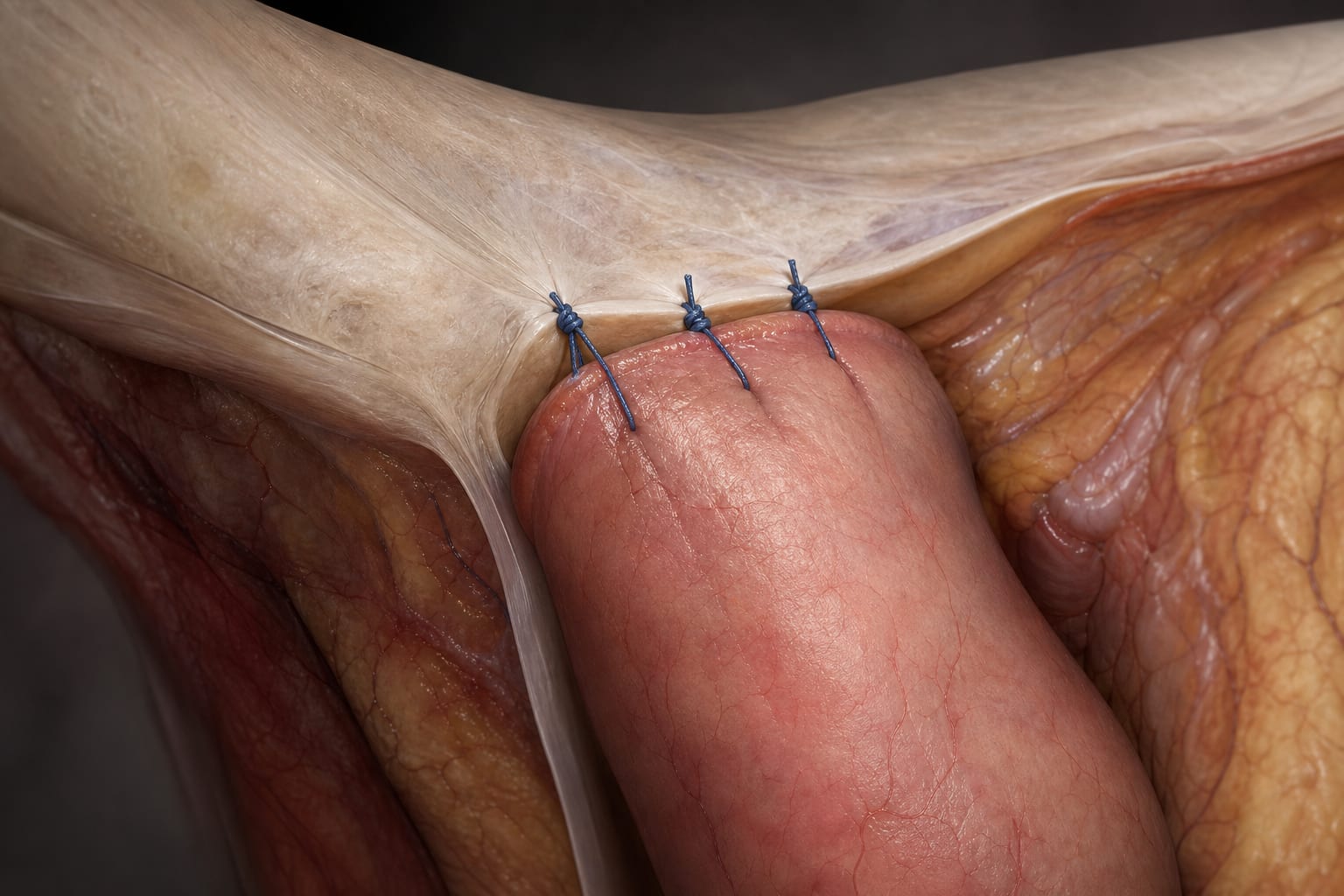
This report addresses a correction in the reference of a figure in the publication regarding Laparoscopic Total Extraperitoneal Anterior Rectopexy (L-TEAR). The correct reference is crucial for understanding the surgical technique's details and implications.

Background

Rectal prolapse is a significant clinical condition that affects quality of life, particularly in older multiparous women. The prevalence of this disorder necessitates effective surgical interventions, with minimally invasive techniques gaining traction. L-TEAR represents an emerging approach that requires accurate representation in the literature for proper clinical application.

Data Highlights

No numerical or trial data is presented in the correction notice.

Key Findings

  • The correction clarifies the reference to Fig. 11 in the context of distal sutures anchoring the rectum.
  • Accurate figure references are essential for understanding surgical techniques and their implications.
  • Rectal prolapse is prevalent in specific demographics, necessitating effective surgical solutions.
  • Minimally invasive techniques like L-TEAR are being explored as alternatives to traditional methods.
  • Clinical guidelines emphasize the importance of informed consent regarding potential complications of surgical interventions.

Clinical Implications

Clinicians should ensure accurate references in surgical literature to avoid misinterpretation of techniques. Understanding the nuances of procedures like L-TEAR can enhance surgical outcomes for patients with rectal prolapse.

Conclusion

The correction highlights the importance of precision in surgical literature, which is vital for the advancement of minimally invasive techniques in rectal prolapse management.

References

  1. Correction: Techniques in Coloproctology, 2026 -- Correction: Preliminary Findings on Laparoscopic Total Extraperitoneal Anterior Rectopexy (L-TEAR)
  2. Laparoscopic-total extraperitoneal anterior rectopexy (L-TEAR)—a preliminary report
  3. Hernia — Comparative Analysis of Early Postoperative Results Between Robotic Extended Totally Extraperitoneal and Standard Extended Totally Extraperitoneal Repair for Ventral Hernia: A Retrospective Propensity Score-Matched Study
  4. Updates in Surgery — Laparoscopic Extraperitoneal Hernia Repair in Patients with Prior Abdominopelvic Surgical History
  5. LARS Correlates with Reduced Anastomosis Rates, but Not with the Use of Transanal Techniques in Rectal Cancer Resection Patients
  6. Laparoscopic-total extraperitoneal anterior rectopexy (L-TEAR)—a preliminary report
  7. Laparoscopic ventral mesh
  8. Bowel function after laparoscopic posterior sutured rectopexy versus ventral mesh rectopexy for rectal prolapse: a double-blind, randomised single-centre study - ScienceDirect
  9. Laparoscopic-total extraperitoneal anterior rectopexy (L-TEAR)—a preliminary report - PMC

Original Source(s)

Related Content