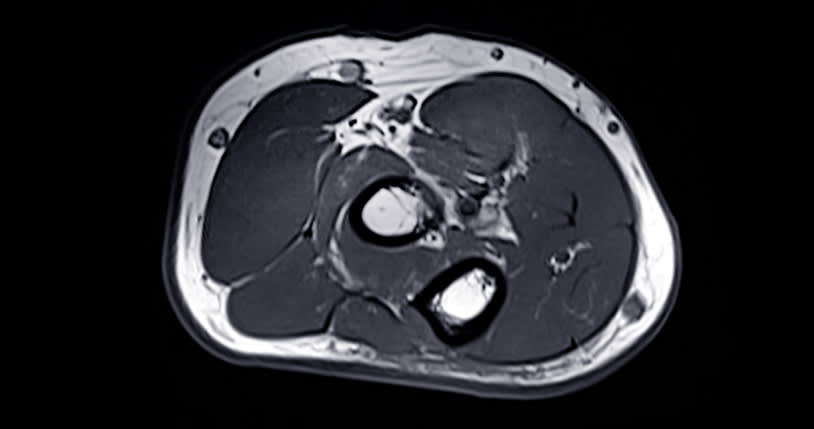
Clinical Report: May Ultraprocessed Foods Raise Muscle Fat?
Overview
Increased consumption of ultraprocessed foods (UPF) is linked to higher thigh muscle fat infiltration in patients at risk for knee osteoarthritis, according to a cross-sectional analysis of 615 patients, highlighting the potential impact of dietary choices on muscle quality.
Background
Ultraprocessed foods are prevalent in modern diets and have been associated with various health issues, including obesity and chronic diseases. Understanding their impact on muscle quality is crucial, especially in populations at risk for conditions like osteoarthritis. This study provides insights into how dietary patterns may influence muscle health and fat distribution.
Data Highlights
Measure
Findings
UPF Intake
41% of total dietary intake
Muscle Fat Infiltration
Increased by 0.1 SD for every 1 SD increase in UPF intake
Muscle Types Assessed
Flexors, Extensors, Adductors
Key Findings
Higher UPF consumption correlates with greater muscle fat infiltration across all thigh muscles (p-value needed).
Associations were stronger when adjusted for abdominal circumference compared to BMI (p-value needed).
No significant differences in muscle fat infiltration were found based on sex.
Flexor muscles exhibited the highest fat infiltration, while extensors showed the lowest.
Patients with higher UPF intake had visibly greater intramuscular fat despite similar age and BMI.
Clinical Implications
Healthcare professionals should consider dietary patterns, particularly UPF consumption, when assessing muscle health in patients at risk for knee osteoarthritis. Encouraging a diet lower in ultraprocessed foods, such as whole grains, fruits, and vegetables, may be beneficial for improving muscle quality and overall health.
Conclusion
This study underscores the potential negative impact of ultraprocessed food consumption on muscle quality, suggesting a need for dietary interventions in at-risk populations. Further research is needed to establish causality.
Most surgeons reported using intraoperative parathyroid hormone monitoring, but approaches to imaging and intraoperative criteria varied, particularly in secondary and tertiary disease