Five-year outcomes of the PROVE-IT randomized controlled trial: Patient-Reported Outcomes of Robotic vs. Laparoscopic Ventral Hernia Repair with Intraperitoneal Mesh - Report - MDSpire
Advertisement
Five-year outcomes of the PROVE-IT randomized controlled trial: Patient-Reported Outcomes of Robotic vs. Laparoscopic Ventral Hernia Repair with Intraperitoneal Mesh
Long-term Results from the PROVE-IT Randomized Controlled Trial
Overview
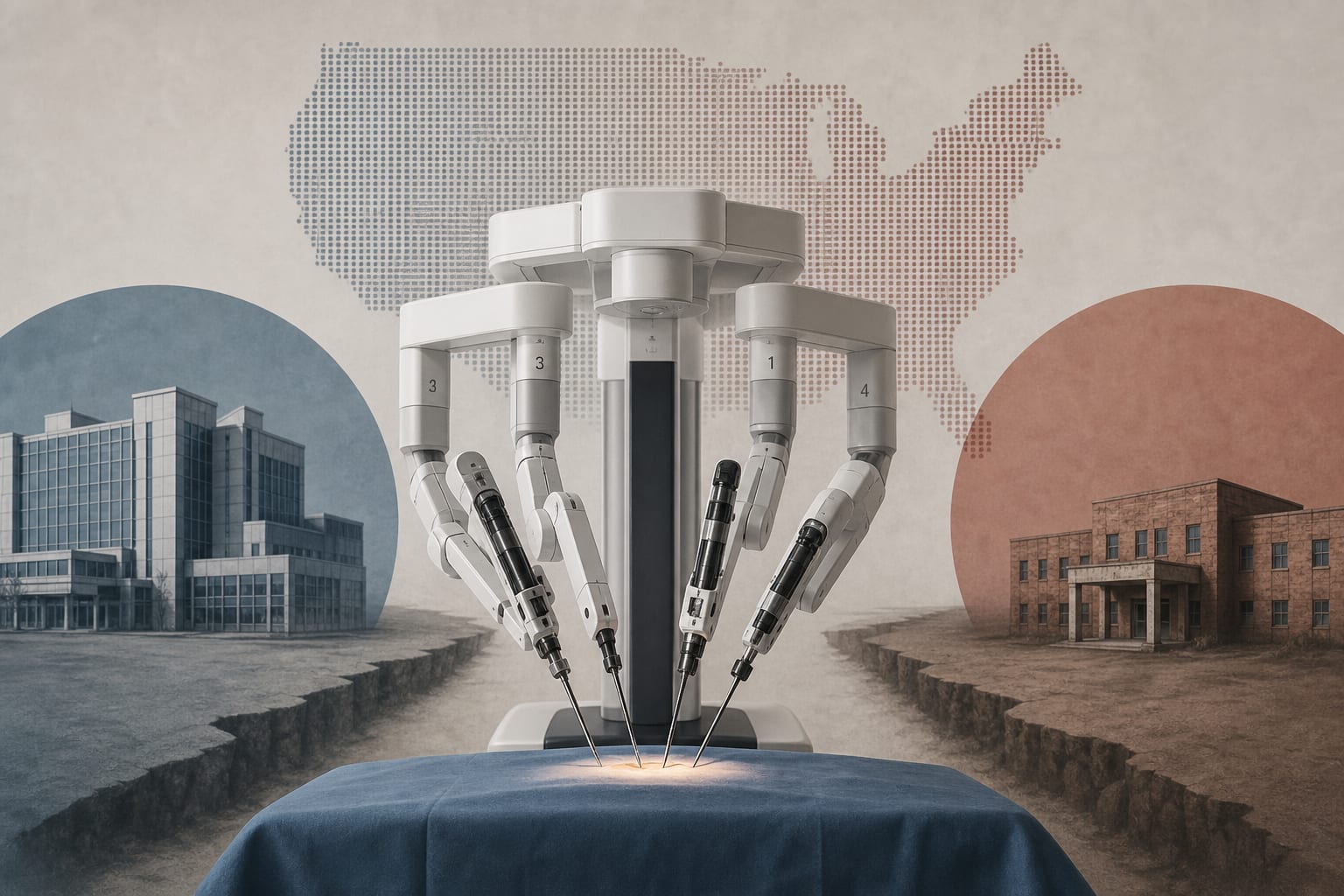
The PROVE-IT trial compares long-term outcomes of robotic versus laparoscopic approaches to ventral hernia repair. At 5 years, robotic repairs showed better hernia-specific quality of life scores compared to laparoscopic repairs, while laparoscopic repairs had a lower clinical hernia recurrence rate.
Background
The adoption of robotic surgery in ventral hernia repair has increased, yet long-term outcomes remain unclear. This study addresses gaps in literature regarding quality of life and recurrence rates beyond the initial postoperative period.
Data Highlights
No numerical data presented in the source material.
Key Findings
Robotic repairs resulted in higher hernia-specific quality of life scores compared to laparoscopic repairs at 5 years.
Laparoscopic repairs had a lower clinical hernia recurrence rate at 5 years.
Both approaches demonstrated comparable 30-day outcomes including pain and postoperative complications.
Patient-reported outcomes were collected using validated surveys such as HerQLes and PROMIS 3a.
Clinical hernia recurrence was determined through physical examination and imaging.
Clinical Implications
The findings indicate differences in quality of life and recurrence rates between robotic and laparoscopic techniques for ventral hernia repair.
Conclusion
The PROVE-IT trial provides insights into the long-term outcomes of robotic versus laparoscopic ventral hernia repair, highlighting differences in quality of life and recurrence rates.
by Erika M. Schmidt, William C. Bennett, Noah X. Tocci, Alvaro C. Carvalho, Cammy Tang, Chao Tu, Kimberly S. Miles, Luciano Tastaldi, Benjamin T. Miller, Lucas R. Beffa, David M. Krpata, Clayton C. Petro, Ajita S. Prabhu