Clinical Report: Smartwatch Calorie Accuracy Assessed in Hispanic Adults
Overview
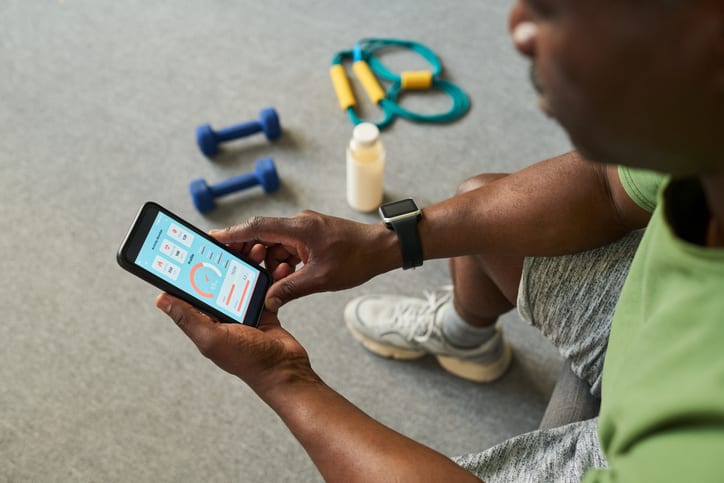
A study published in PLOS One evaluated the accuracy of smartwatch estimates of physical activity energy expenditure (PAEE) among Hispanic adults. Findings indicated significant device-dependent differences in PAEE accuracy and a correlation between higher body fat percentage and greater estimation errors.
Background
Accurate estimation of physical activity energy expenditure is crucial for effective health monitoring and intervention strategies. Smartwatches are increasingly used for this purpose, yet their accuracy can vary significantly based on device and user characteristics.
Data Highlights
Device
Mean Bias (kcal)
Mean Absolute Percentage Error (%)
Apple Watch Series 8
22
36
Garmin Forerunner 955
69
78
Samsung Galaxy Watch 5
57
66
Fitbit Sense 2
3 (129 with outliers)
32
Key Findings
Device-derived PAEE estimates varied significantly among the four smartwatches tested.
Higher body fat percentage was linked to increased bias and error in PAEE estimates across devices.
Fitbit produced implausible estimates exceeding 450% of the criterion value in some cases.
No significant association was found between Fitzpatrick skin type and absolute percentage error.
Mean bias for Fitbit increased to 129 kcal when outlier estimates were included.
Device-specific differences in energy expenditure estimates were noted, with Garmin and Samsung showing higher overestimations compared to Apple.
Clinical Implications
Clinicians should be aware of the variability in smartwatch accuracy when interpreting physical activity data from patients.
Conclusion
The study highlights the importance of understanding device-specific limitations in smartwatch calorie expenditure estimates.