Clinical Report: Disruption of Endothelial Barrier Function in Hereditary Angioedema
Overview
Revise to clarify the relationship between endothelial dysfunction and bradykinin excess.
Background
Hereditary angioedema (HAE) is a rare genetic disorder that can lead to severe and potentially life-threatening episodes of swelling. Understanding the underlying mechanisms of HAE is crucial for improving patient outcomes, as misdiagnosis and delayed treatment are common. Recent insights into endothelial barrier function reveal that endothelial cells actively regulate vascular permeability, challenging traditional views that focus solely on bradykinin.
Data Highlights
No numerical data or trial data presented in the article.
Key Findings
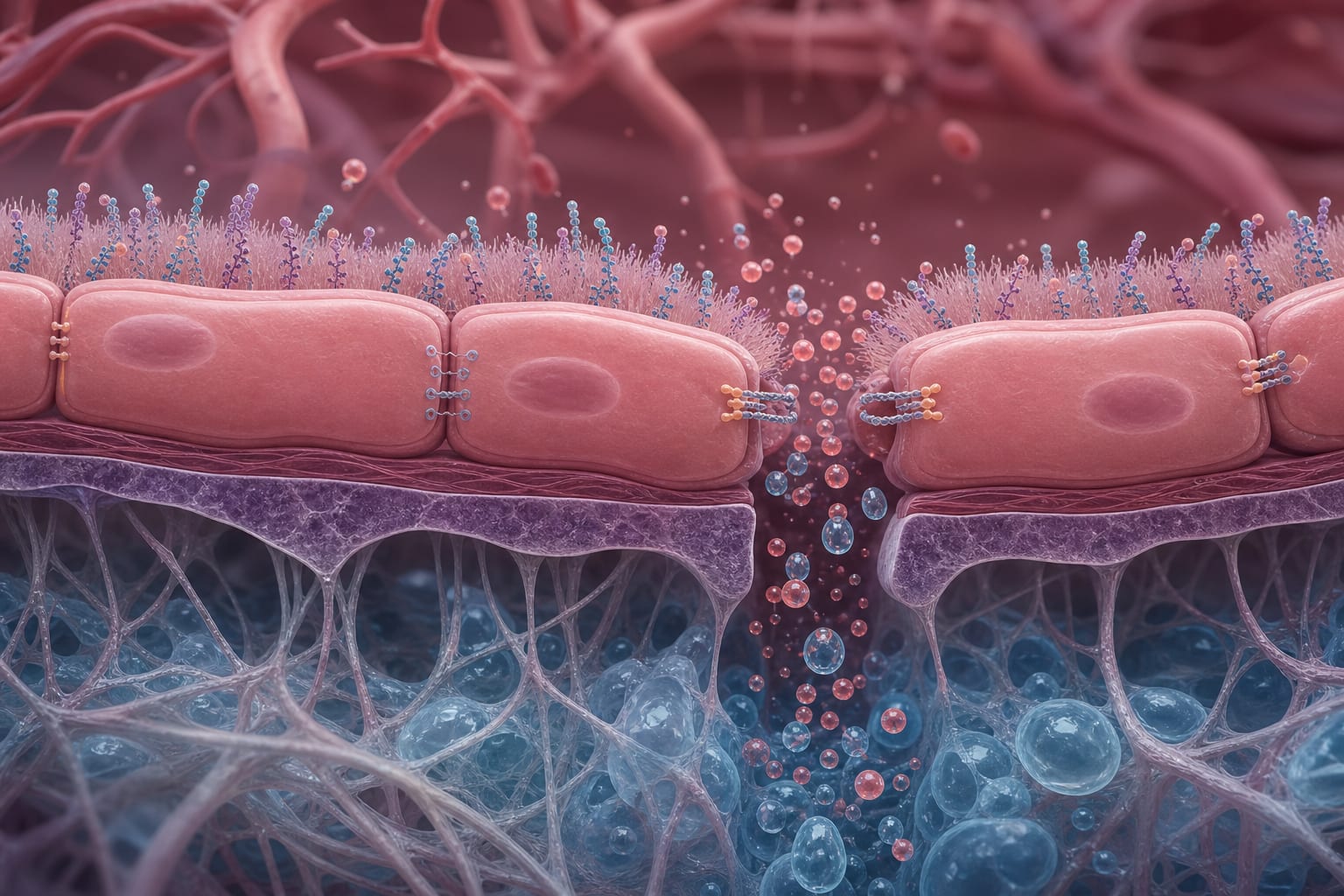
Endothelial cells play a decisive role in regulating vascular permeability in HAE.
Excess bradykinin and related mediators disrupt endothelial junctions and glycocalyx, leading to edema.
Newly identified HAE subtypes are linked to pathogenic variants affecting endothelial regulatory pathways.
Endothelial dysfunction is recognized as a primary mechanism in specific HAE subtypes.
Dynamic endothelial activation states may serve as potential biomarkers for disease activity.
Clinical Implications
Clinicians should consider endothelial dysfunction as a significant factor in HAE pathogenesis, which may influence treatment approaches. Understanding the role of endothelial biology can aid in the identification of new biomarkers and therapeutic targets, potentially leading to improved patient management.
Conclusion
The evolving understanding of endothelial barrier function in HAE underscores the need for a comprehensive approach to diagnosis and treatment. Integrating these insights into clinical practice may enhance patient care and outcomes.
Study found species-specific differences in biofilm -forming capacity and antimicrobial susceptibility among supragingival bacterial isolates from patients with active dental caries.