Long term survival of patients with alpha-fetoprotein-positive hepatoid adenocarcinoma of the gallbladder: a case report and literature review - Report - MDSpire
Advertisement
Long term survival of patients with alpha-fetoprotein-positive hepatoid adenocarcinoma of the gallbladder: a case report and literature review
Clinical Report: Prolonged Survival in a Patient with Alpha-Fetoprotein-Positive Hepatoid Adenocarcinoma of the Gallbladder
Background
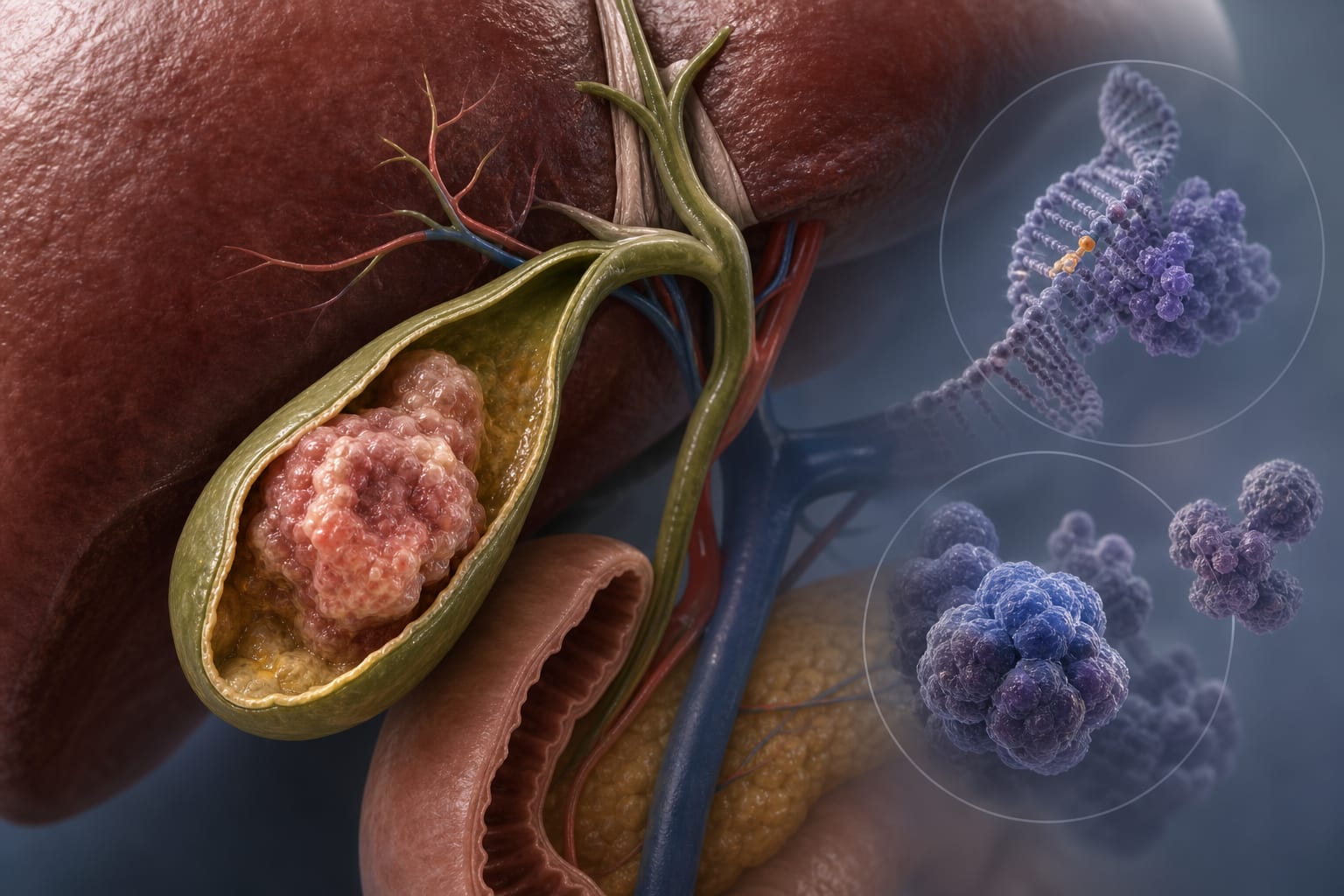
Hepatoid adenocarcinoma of the gallbladder is a rare and aggressive variant of gallbladder carcinoma, often associated with poor prognosis and elevated alpha-fetoprotein levels. Understanding the clinical management of this rare cancer is crucial due to its complex histology and the limited treatment options available.
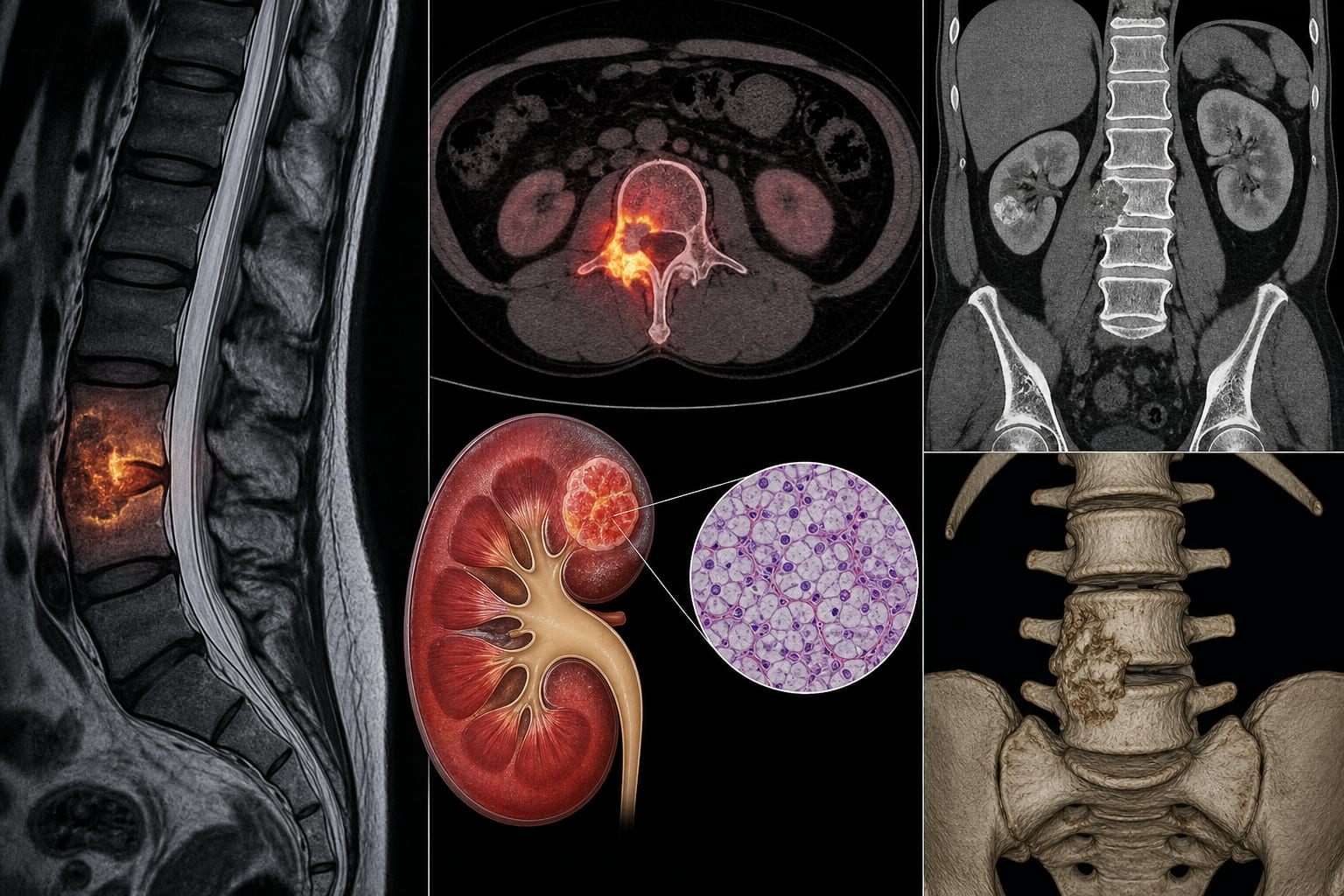
The patient was diagnosed with AFP-positive hepatoid adenocarcinoma after imaging and histopathological analysis.
Next-generation sequencing revealed a TP53 mutation and EGFR copy number amplification.
Postoperative serum AFP levels decreased significantly, indicating a response to treatment.
The patient underwent radical resection followed by adjuvant transarterial chemoembolization (TACE) with epirubicin.
As of January 2025, the patient has maintained a recurrence-free survival of 68 months.
Clinical Implications
Aggressive surgical intervention combined with targeted adjuvant therapy may improve outcomes in patients with alpha-fetoprotein-positive hepatoid adenocarcinoma of the gallbladder. Monitoring serum AFP levels can be a useful marker for treatment response.
Conclusion
This case underscores the potential for prolonged survival in patients with rare and aggressive forms of gallbladder cancer when treated with a comprehensive approach.