Challenges and Opportunities in Utilizing Real-World Imaging Data
Background
The transition from paper-based health records to electronic health records (EHRs) has facilitated the collection of real-world data (RWD), which is crucial for deriving real-world evidence (RWE). RWiD, a subset of RWD, is particularly significant in fields like oncology, cardiology, and neurology, where imaging plays a central role in patient management. Understanding the challenges and opportunities associated with RWiD is essential for improving clinical outcomes and research methodologies.
Data Highlights
No numerical data or trial data provided in the source material.
Key Findings
RWiD is enabled by improvements in imaging infrastructure and data standardization.
RWiD is increasingly integrated into RWE frameworks alongside other data types such as genomics.
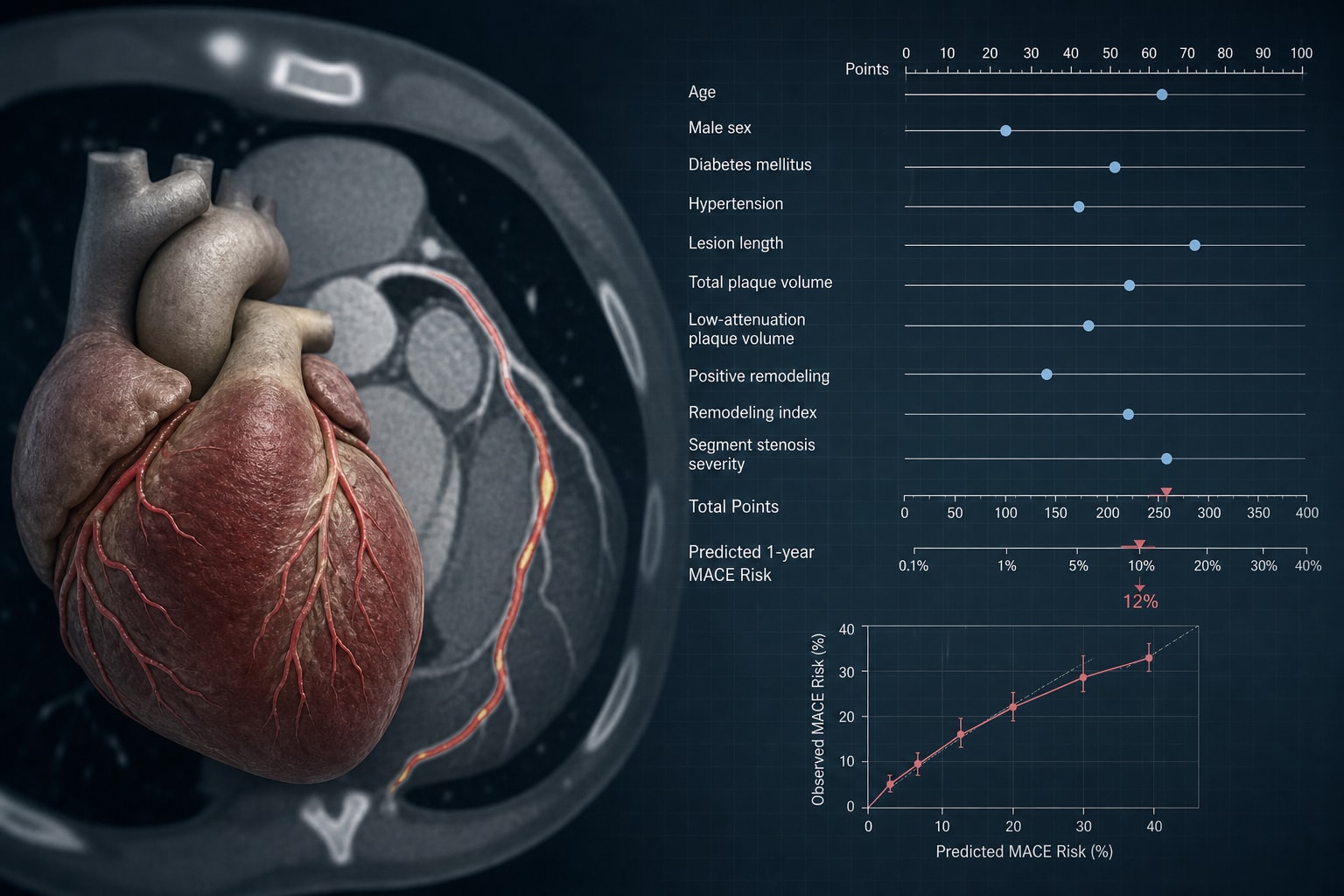
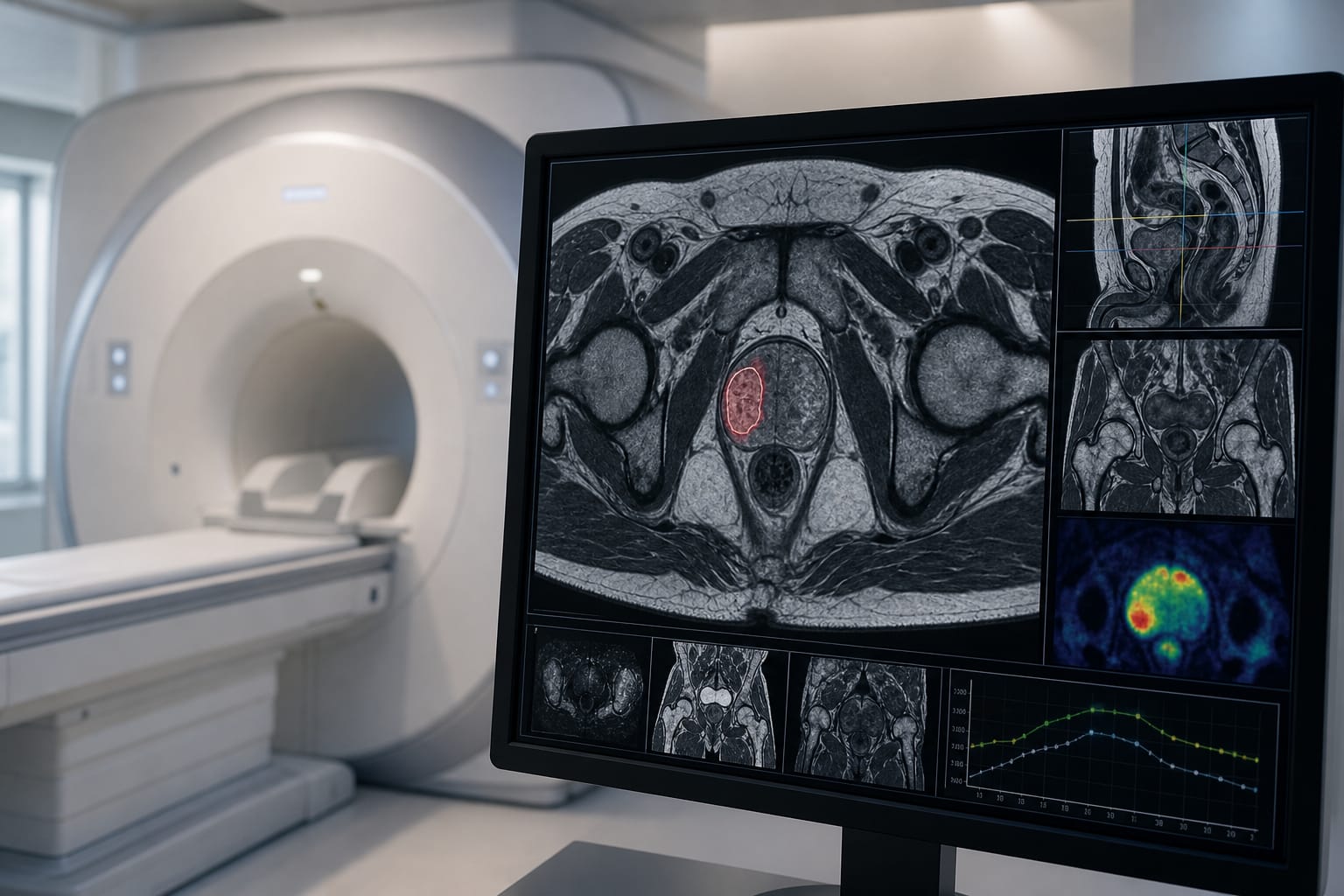
Medical imaging is critical for definitive diagnostics and treatment decisions across multiple specialties.
Advances in analytical methods, including AI, are expected to enhance insights from RWD.
Regulatory guidance from the FDA outlines how RWD can support medical device decisions.
Clinical Implications
The integration of RWiD into clinical practice can enhance diagnostic accuracy and treatment efficacy. Clinicians should be aware of the evolving landscape of imaging data and its regulatory implications to leverage these advancements effectively.
Conclusion
RWiD represents a valuable resource for clinical research and practice, with the potential to significantly impact patient care and outcomes. Continued advancements in data standardization and analytical methods will further enhance its utility.