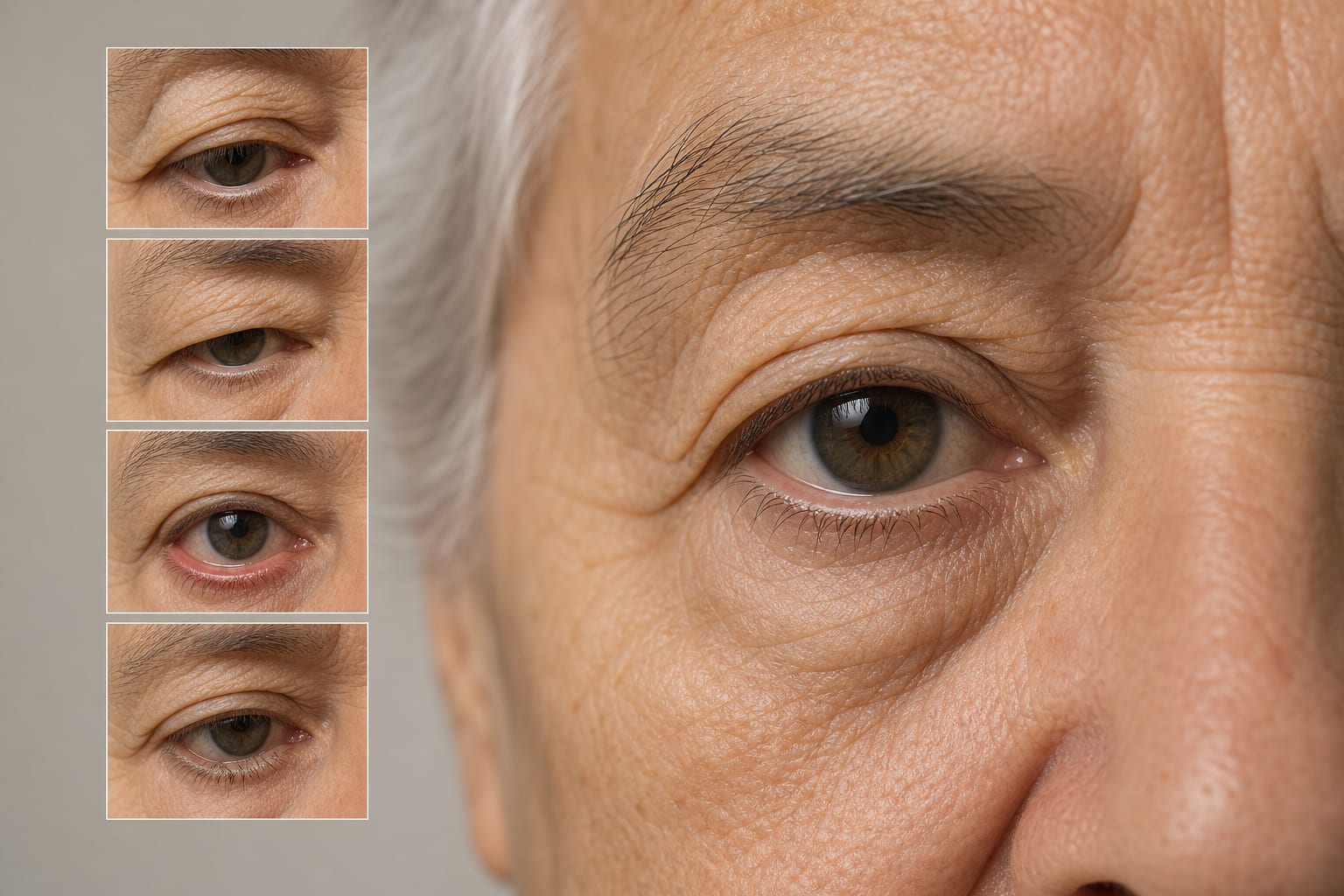
Clinical Report: AI: From Hype to Real-World Clinical Value
Background
Artificial intelligence has garnered significant interest in ophthalmology due to its potential to enhance screening and diagnosis through high-volume imaging and pattern recognition. The field has seen early successes, particularly in diabetic retinopathy screening, which is crucial for timely intervention. However, the challenge lies in translating technical capabilities into widespread clinical adoption and meaningful patient outcomes.
Data Highlights
No numerical data available in the source material.
Key Findings
AI has demonstrated expert-level performance in classifying diabetic retinopathy from retinal fundus photographs.
Prospective evaluations have shown that autonomous AI systems can function as regulated clinical devices.
AI deployment in diabetic retinopathy screening has increased specialist clinic productivity.
Despite regulatory approvals, the uptake of AI in clinical settings remains low compared to the eligible diabetic population.
Implementation science and reimbursement are critical factors limiting the adoption of AI tools in ophthalmology.
Clinical Implications
Healthcare professionals should be aware that while AI tools for diabetic retinopathy screening have shown promise, their integration into routine practice is still limited.
Conclusion
The transition of AI from experimental to practical applications in ophthalmology highlights the need for ongoing evaluation of its real-world impact on patient care and healthcare delivery.