Evidence-based interventions to restore or improve female fertility in women aged 30–42 years: a systematic review by etiology and evidence level - Report - MDSpire
Clinical Report: Evidence-Based Strategies for Enhancing Female Fertility
Overview
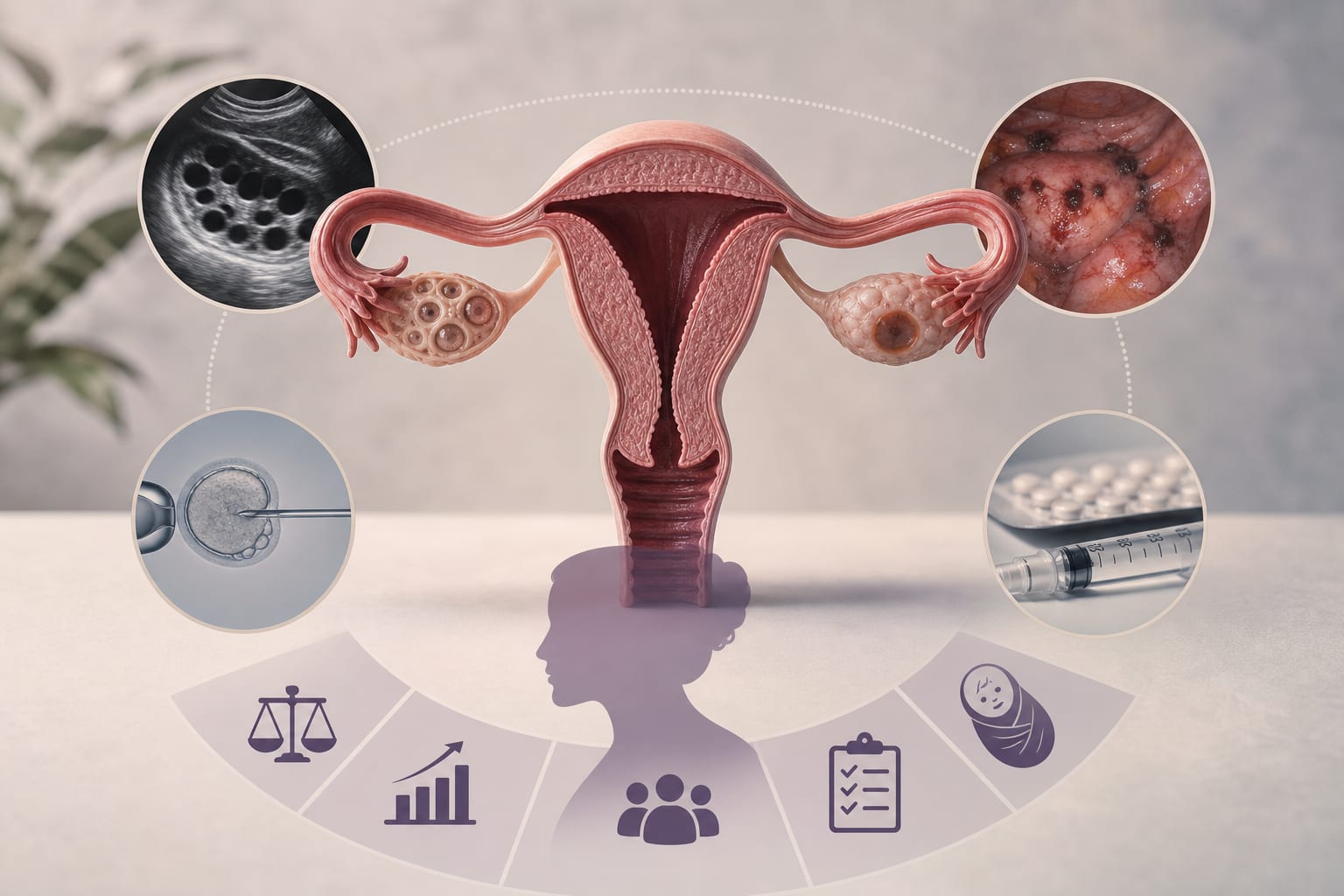
This systematic review synthesizes evidence on interventions to improve fertility in women aged 30-42, highlighting the effectiveness of various hormonal therapies, assisted reproductive technologies, and lifestyle modifications. Despite some promising findings, the certainty of live birth outcomes remains limited due to small sample sizes and methodological variability.
Background
Female infertility is a significant global health issue, affecting approximately one in six couples, particularly impacting women aged 30-42 years. The multifactorial nature of infertility, including conditions like PCOS and endometriosis, complicates diagnosis and treatment. Understanding effective interventions is crucial for improving reproductive outcomes and addressing the emotional and social burdens associated with infertility.
Data Highlights
No numerical data available for tabulation.
Key Findings
21 studies met inclusion criteria, covering various interventions for enhancing fertility.
Myo-inositol and clomiphene with sildenafil showed improved pregnancy-related outcomes.
Structured stress management and specific ART strategies were associated with better outcomes.
Live-birth effects were supported by moderate-certainty evidence, limited by small sample sizes and heterogeneity.
Diagnostic approaches like serum progesterone profiling showed predictive value but no therapeutic effect.
Safety reporting was limited, with few studies addressing ovarian hyperstimulation syndrome and neonatal outcomes.
Clinical Implications
Clinicians should prioritize established hormonal and ART strategies while engaging in shared decision-making with patients, acknowledging the existing evidence gaps. Future interventions should focus on live birth outcomes and standardized reporting of safety data.
Conclusion
While several interventions show promise in improving pregnancy outcomes for women aged 30-42, the overall certainty regarding live birth and safety remains limited, necessitating further research.