Conexiant’s news site is now MDSpire News. Learn more
Advertisement
A Comprehensive Approach to Pediatric Otitis Media: The Impact of Environmental Factors, Genetic Predisposition, and Biomarkers in Treatment Strategies
Clinical Report: A Comprehensive Approach to Pediatric Otitis Media
Overview
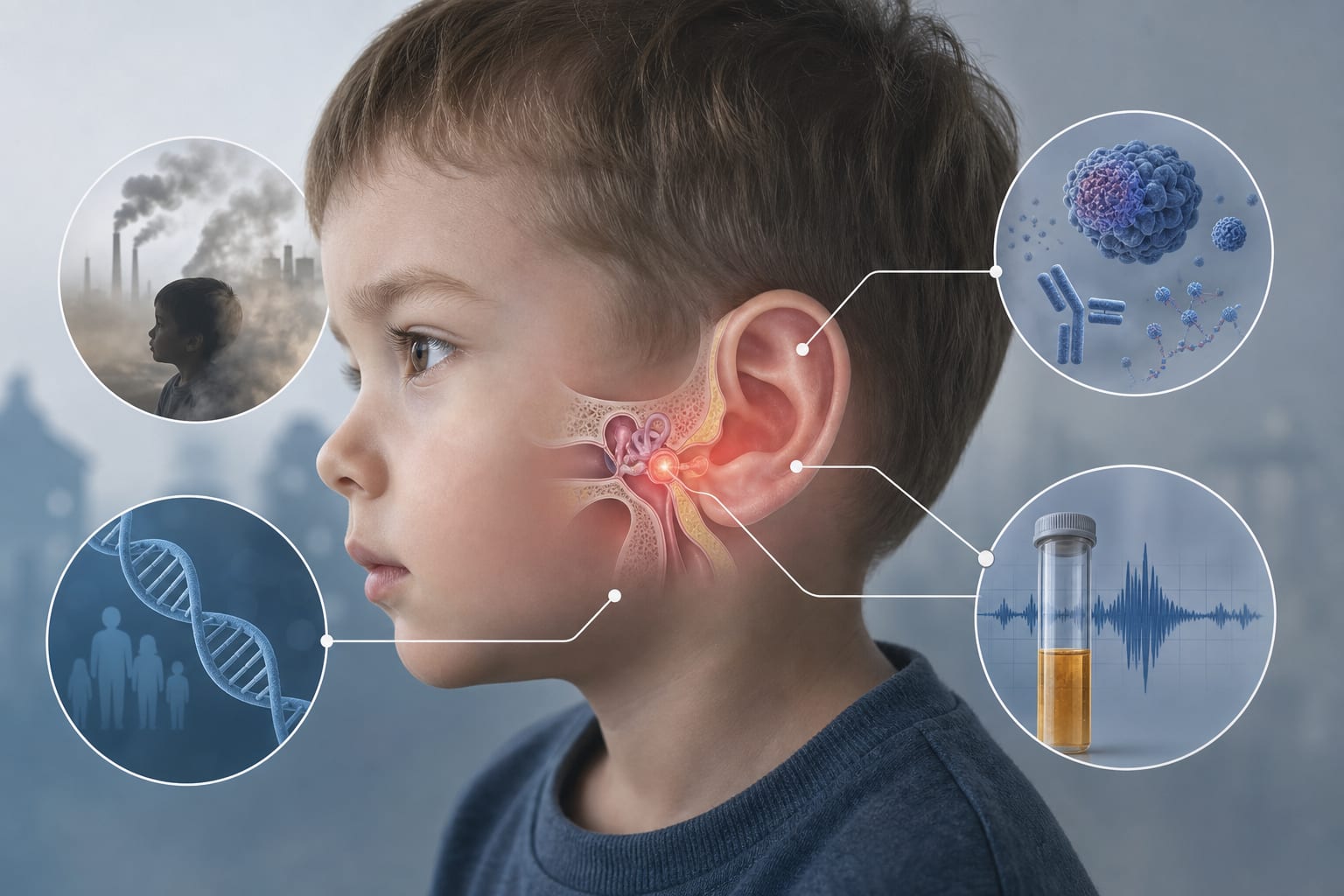
This review highlights the multifactorial nature of pediatric otitis media (OM), emphasizing the roles of environmental factors, genetic predisposition, and biomarkers in its pathogenesis and treatment. Understanding these interactions is crucial for developing targeted prevention and therapeutic strategies.
Background
Pediatric otitis media is a prevalent condition that can lead to significant health issues, including hearing impairment and recurrent healthcare visits. The traditional single-pathogen model is insufficient to explain its complex etiology, which involves interactions among environmental exposures, genetic factors, and microbial influences. Addressing this complexity is essential for improving clinical outcomes and reducing the burden of OM in children.
Data Highlights
No specific numerical data or trial results were provided in the article.
Key Findings
Approximately 80% of children experience at least one episode of OM by age three.
Environmental exposures, such as air pollutants, contribute to the onset and progression of OM.
Host genetic variation may modify susceptibility and disease heterogeneity in pediatric OM.
Emerging biomarkers and microbial studies support a systems-level understanding of OM.
The integrated framework of environmental, host, and microbial factors can guide precision medicine approaches in OM management.
Clinical Implications
Clinicians should consider the multifactorial nature of pediatric otitis media when assessing and treating affected children. Early identification of risk factors, including environmental exposures and genetic predispositions, may enhance the effectiveness of preventive and therapeutic strategies.
Conclusion
A comprehensive understanding of pediatric otitis media as a complex disorder is vital for developing more effective interventions. Future research should focus on validating biomarkers and refining treatment approaches based on individual risk profiles.