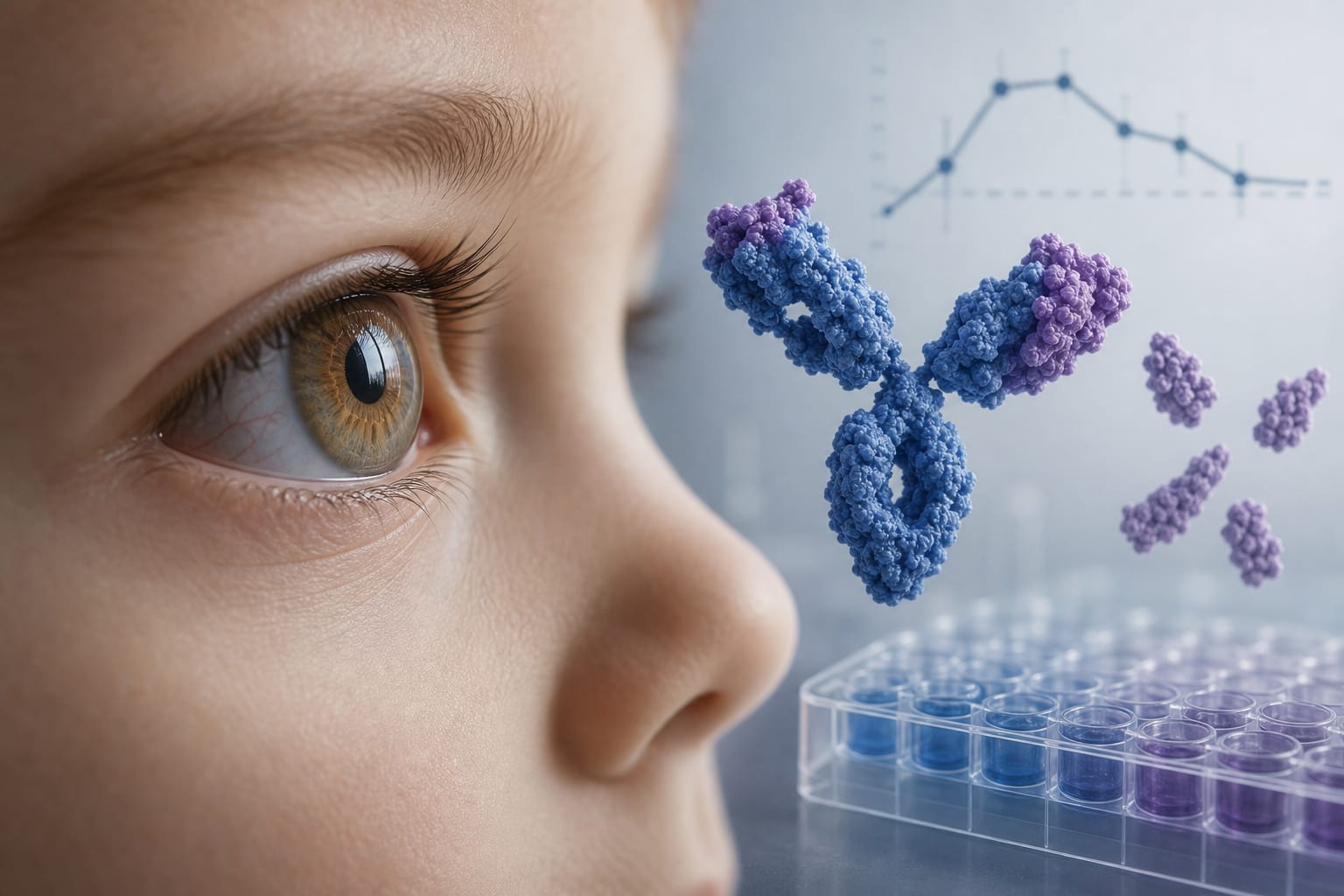
The PROMISE Initiative: AI-Supported Trial Bank for Pediatric Medication Safety
Overview
The PROMISE project developed an AI-supported Trial Bank to aggregate and synthesize randomized controlled trial data on medication-related harms in children. This approach addresses limitations of traditional systematic reviews by enabling continuous, updatable evidence synthesis to improve pediatric medication safety.
Background
Medication-related harms cause significant morbidity and mortality globally, especially in children under 4 years old. Randomized controlled trials (RCTs) are the gold standard for evaluating medication harms but often lack sufficient power due to low event rates and limited sample sizes. Traditional systematic reviews are resource-intensive and quickly become outdated, limiting timely clinical decision-making. The Trial Bank concept aims to create a continuously updated repository of structured trial data, and recent AI advances offer new opportunities to automate data extraction and synthesis.
Data Highlights
A comprehensive search on February 14, 2023, across five databases identified RCTs of drug interventions in children without restrictions on date or language. RobotSearch AI model screened literature with 98.7% accuracy, followed by multi-level human screening and data extraction using Claude 2 AI with iterative human verification achieving ≥90% agreement. Baseline trial characteristics extracted included author, publication year, registration, geographic region, sample size, intervention details, and funding source.
Key Findings
The PROMISE Trial Bank focuses on pediatric medication harms, addressing the gap as only 14.2% of trials involve children.
AI tools like RobotSearch and Claude 2 enable efficient literature classification and data extraction with high accuracy.
Human verification remains essential to ensure data quality, with trained volunteers achieving high agreement levels.
The Trial Bank infrastructure supports continuous updating, overcoming delays inherent in traditional systematic reviews.
Standardized adverse event definitions were applied based on trial reports to harmonize data synthesis.
Clinical Implications
The PROMISE Trial Bank provides clinicians and researchers with a reliable, up-to-date evidence base on pediatric medication safety, facilitating informed decision-making. By integrating AI with human oversight, it enhances the efficiency and accuracy of harm data synthesis, potentially reducing avoidable medication-related adverse events in children.
Conclusion
The PROMISE initiative demonstrates the feasibility of an AI-supported, continuously updated Trial Bank to improve evidence synthesis on pediatric medication harms. This approach may serve as a model for enhancing medication safety surveillance and clinical guidance in vulnerable populations.
References
Global Burden of Disease Project 2017 -- Medication-related harms and DALYs
WHO Global Patient Safety Action Plan 2021–2030
Ida Sim 1995 & Global Trial Bank 2005 -- Trial Bank Concept
FDA ClinicalTrials.gov Results Database 2008
RobotSearch AI Model -- Literature Classification Accuracy