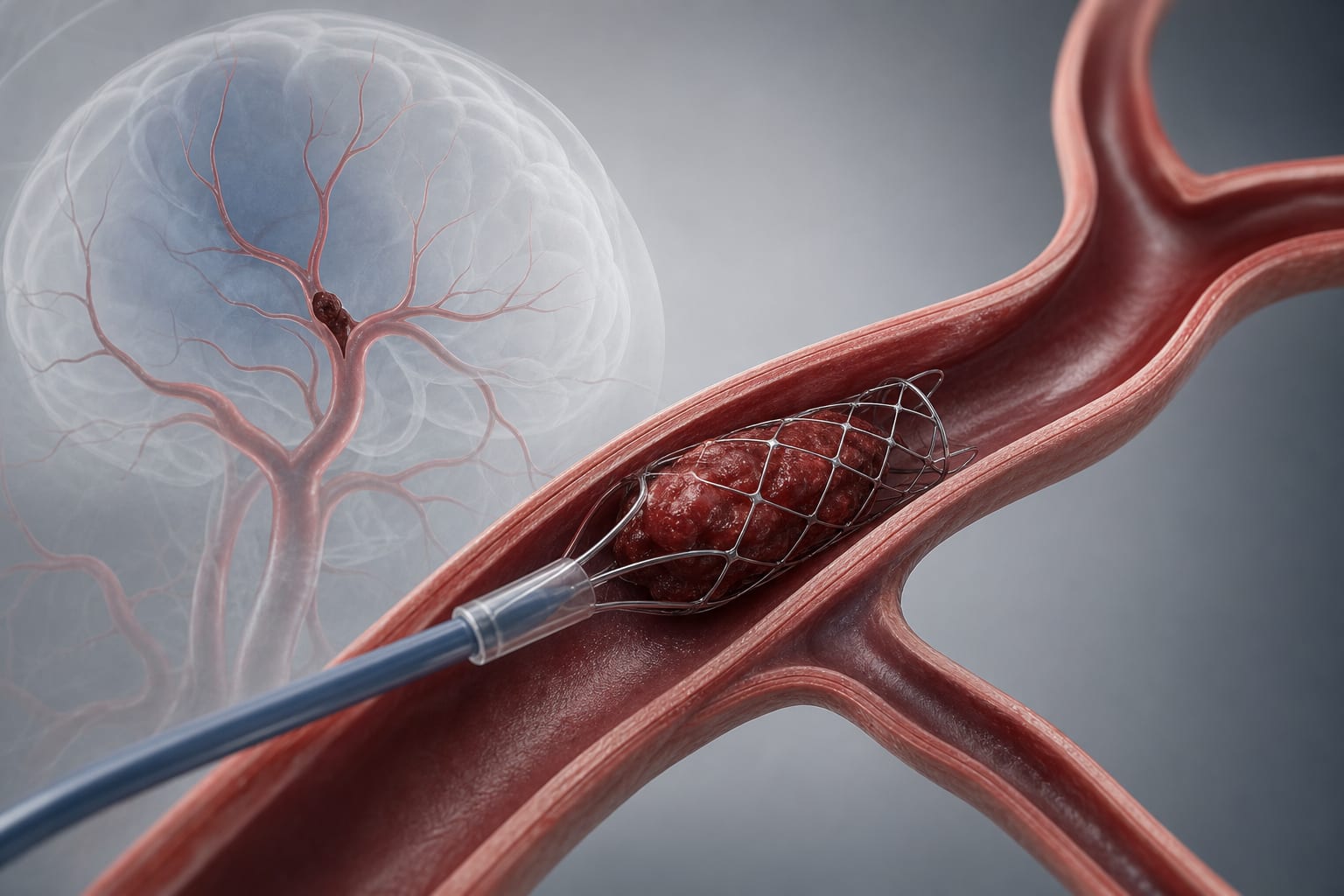
Clinical Report: ApoB/ApoA-I Ratio and Intracranial Atherosclerotic Stenosis
Overview
This study investigates the association between the ApoB/ApoA-I ratio and intracranial atherosclerotic stenosis (ICAS) in young adults experiencing ischemic stroke. Findings indicate that a higher ApoB/ApoA-I ratio is independently linked to ICAS, highlighting its potential as a risk factor in this demographic.
Background
The rising incidence of ischemic stroke among young adults necessitates the identification of modifiable risk factors for effective prevention. Intracranial atherosclerotic stenosis is a significant contributor to ischemic stroke, particularly in younger populations. Understanding the relationship between lipid profiles and ICAS can inform clinical strategies for risk assessment and management.
Data Highlights
Group
ApoB Level
ApoA-I Level
ApoB/ApoA-I Ratio
ICAS
Higher
Lower
Higher
Non-ICAS
Lower
Higher
Lower
Key Findings
The study included 161 young ischemic stroke patients aged 18 to 45 years.
Patients with ICAS exhibited a higher prevalence of diabetes, smoking, and hyperlipidemia.
Multivariate analysis revealed a dose-response relationship between the ApoB/ApoA-I ratio and ICAS severity.
The odds ratios for ICAS increased significantly across higher quartiles of the ApoB/ApoA-I ratio.
Findings suggest that the ApoB/ApoA-I ratio may serve as an independent risk factor for ICAS in young stroke patients.
Clinical Implications
Clinicians should consider the ApoB/ApoA-I ratio as a potential biomarker for assessing the risk of ICAS in young adults with ischemic stroke. This could enhance risk stratification and guide preventive strategies, including lifestyle modifications and lipid management.
Conclusion
The study underscores the importance of the ApoB/ApoA-I ratio in identifying young adults at risk for ICAS and highlights the need for further research to confirm these findings with advanced imaging techniques.