Clinical Report: Exploring the Science Behind Color Adaptation
Background
Color adaptation in dentistry is critical for achieving aesthetic restorations. Shade selection is influenced by multiple factors, including light source, optical properties of materials, and the clinician's perception. Understanding these interactions can enhance clinical outcomes and reduce errors in shade matching.
Data Highlights
No numerical data available in the source material, which limits the ability to quantify findings.
Key Findings
Shade selection in dentistry is a complex process influenced by light, object, and observer.
OMNICHROMA is designed to adapt its color based on the surrounding tooth structure rather than having a fixed shade.
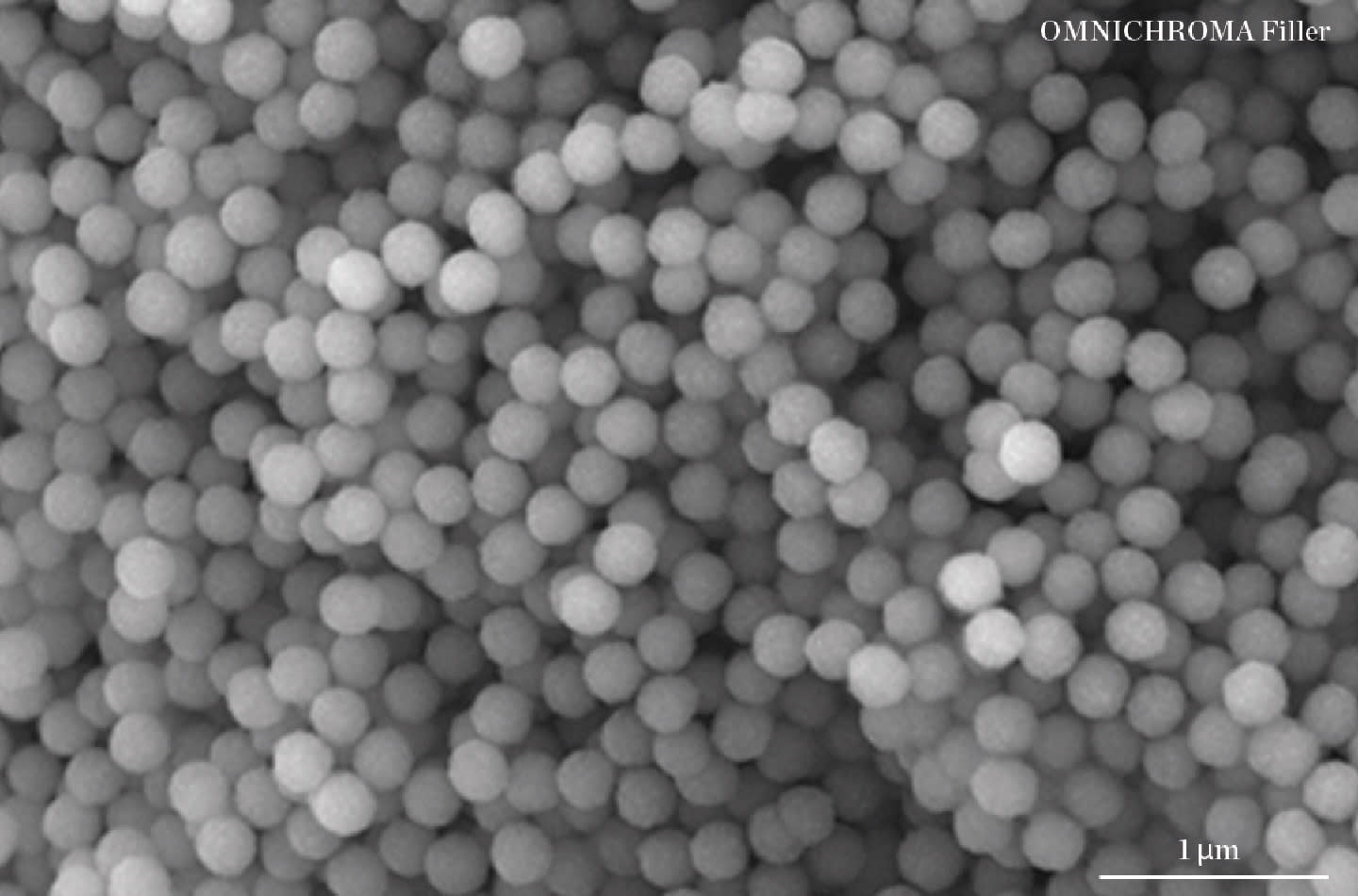
The material's color adaptation is based on structural coloration, utilizing uniformly spherical fillers that scatter light.
OMNICHROMA demonstrated high translucency and preferential light transmission in spectral analysis studies.
Conventional shade guides may lead to errors due to their simplified representation of color properties.
Clinical Implications
Clinicians should be aware of the factors influencing shade perception to improve accuracy in restorative procedures.
Conclusion
Understanding the science behind color adaptation is essential for improving shade selection in restorative dentistry.