Clinical Report: Progress in Strategies for Preventing and Managing RBN
Overview
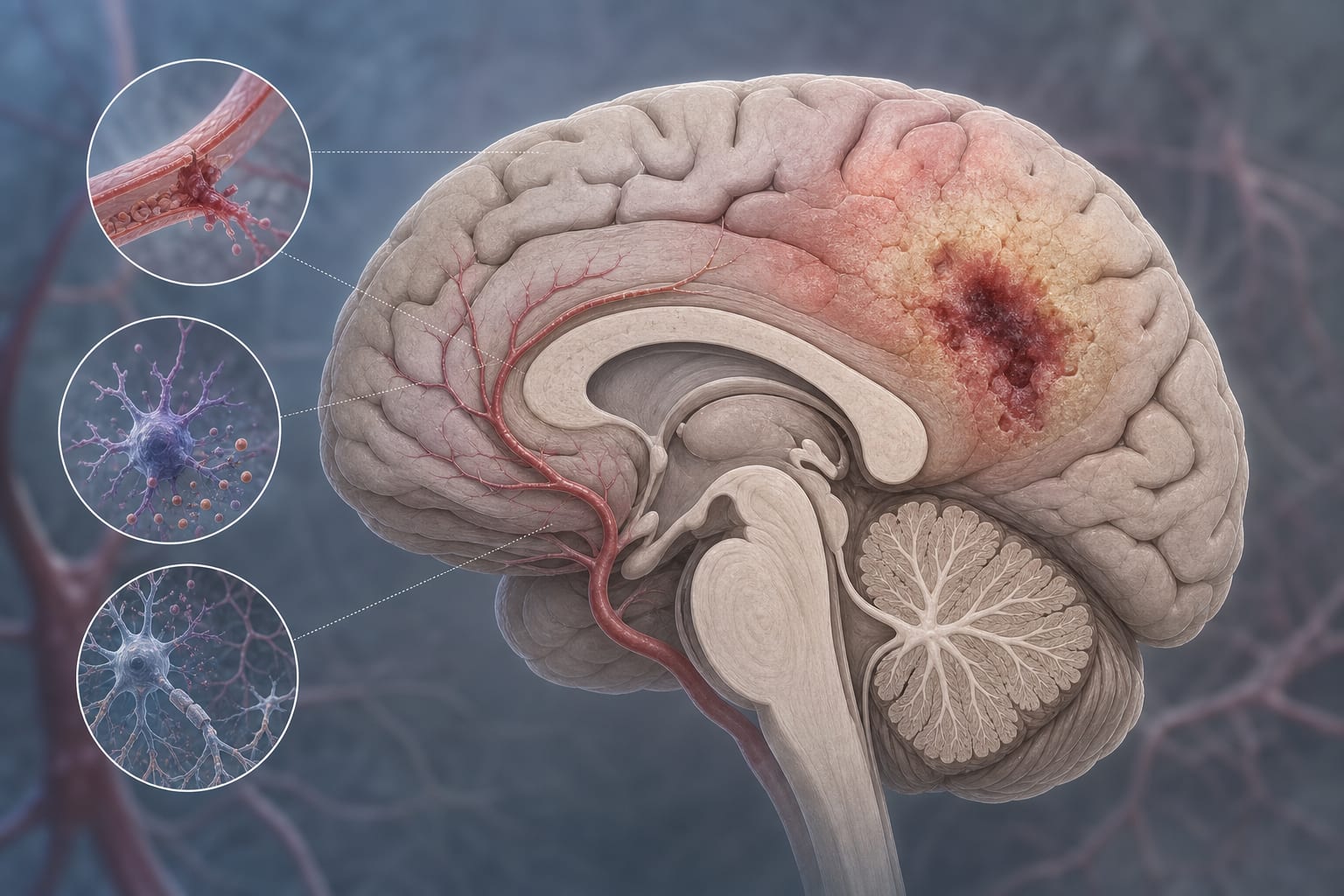
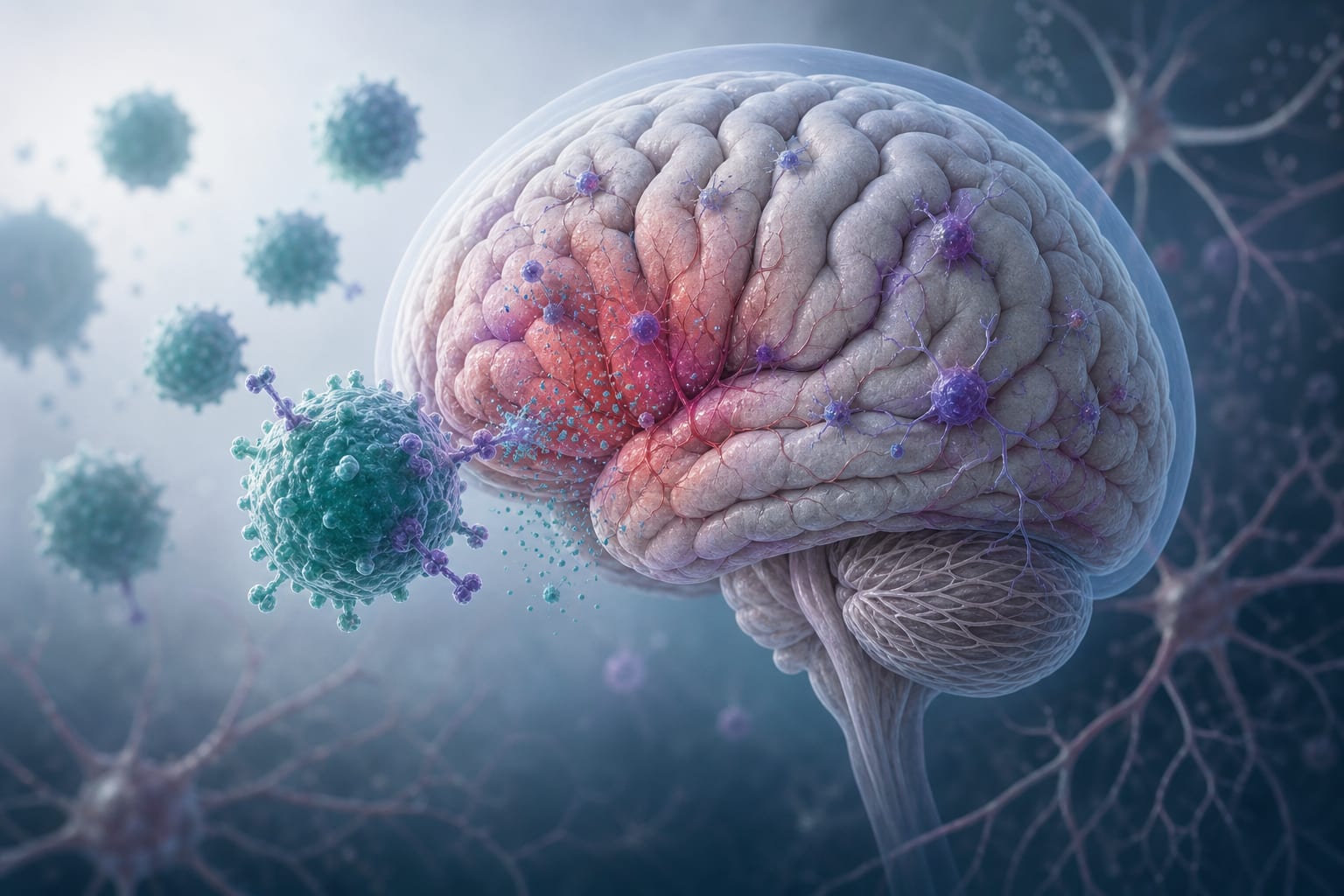
Radiation-induced brain necrosis (RBN) is a significant complication of radiotherapy, with an incidence of 5–25%. This review outlines the pathogenesis, prevention, and management strategies for RBN.
Background
RBN poses a serious challenge in neuro-oncology, often leading to cognitive impairment and neurological deficits. Understanding RBN's pathophysiology and implementing management strategies are essential.
Data Highlights
No numerical data available in the article.
Key Findings
RBN incidence ranges from 5–25%, primarily affecting patients treated for brain metastases.
Pathogenesis involves vascular injury and neuroinflammation, with key roles of HIF-1α/VEGF dysregulation.
Preventive strategies include advanced radiotherapy techniques such as IMRT and fSRS.
Pharmacological options for prevention include bevacizumab and neuroprotective agents like edaravone.
Established treatments for symptomatic RBN include corticosteroids and hyperbaric oxygen therapy.
Innovations in imaging, such as MRS and PET/CT, enhance early detection and differential diagnosis of RBN.
Clinical Implications
Advanced imaging modalities can aid in differentiating RBN from tumor progression.