Clinical Report: Mitigating Ocular Surface Disease in Patients With Glaucoma
Overview
This report emphasizes the importance of evaluating glaucoma patients for ocular surface disease (OSD) due to the adverse effects of eyedrop therapy. It highlights the need for alternative treatment strategies to improve patient adherence and visual outcomes.
Background
Ocular surface disease is prevalent among glaucoma patients, with over half experiencing chronic symptoms due to the toxicity of topical medications. The destabilization of the tear film can lead to significant discomfort and visual impairment, making it critical for eyecare providers to assess and address OSD. Effective management of OSD not only enhances patient comfort but also promotes adherence to glaucoma therapies.
Data Highlights
No numerical data provided in the source material.
Key Findings
More than 50% of glaucoma patients experience chronic ocular surface disease due to eyedrop therapy.
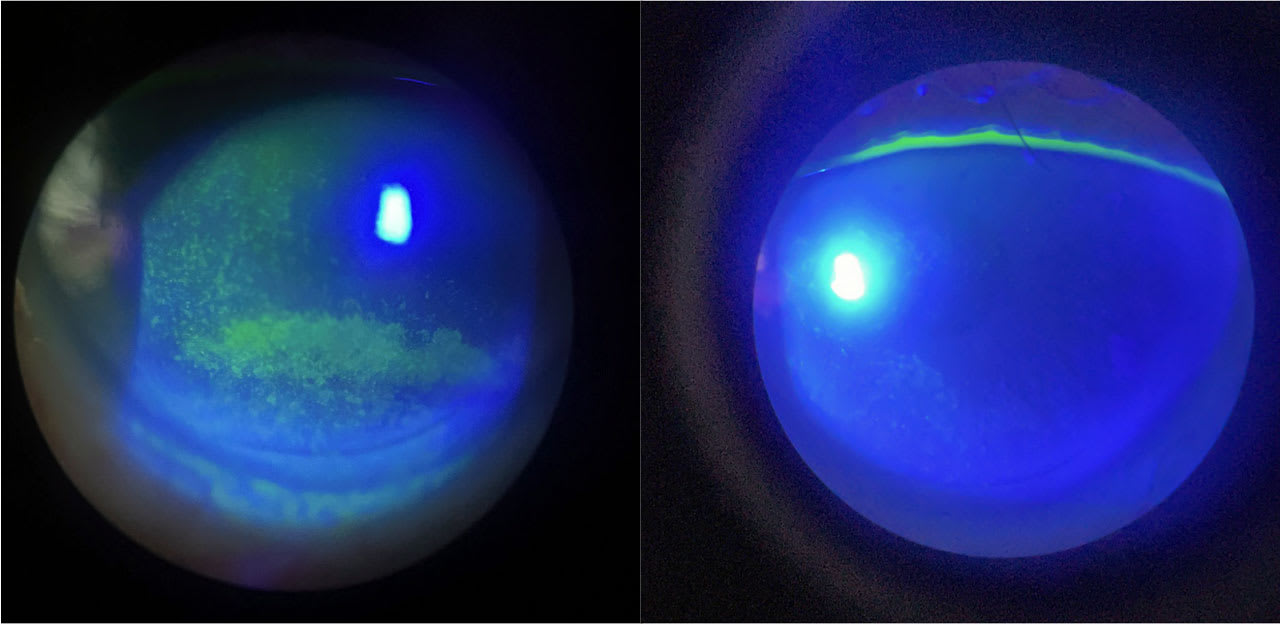
40% of patients preparing for cataract surgery had corneal staining, with 85% being asymptomatic.
Non-drop therapies, such as intracameral implants and selective laser trabeculoplasty, can effectively manage intraocular pressure without exacerbating OSD.
Minimally invasive glaucoma surgery (MIGS) offers a viable option for patients requiring surgical intervention without the complications associated with traditional glaucoma surgery.
Screening for OSD at the first glaucoma consultation is essential for effective management.
Clinical Implications
Eyecare providers should routinely evaluate glaucoma patients for ocular surface disease to ensure optimal treatment outcomes. Utilizing non-drop therapies and minimally invasive surgical options can significantly reduce the burden of ocular surface disease and improve patient adherence to glaucoma medications.
Conclusion
Addressing ocular surface disease in glaucoma patients is crucial for maintaining visual health and medication adherence. Implementing proactive screening and alternative treatment strategies can enhance patient care.