Impact of Earthquakes on Children with Autism: Insights from Teachers' Observations
Overview
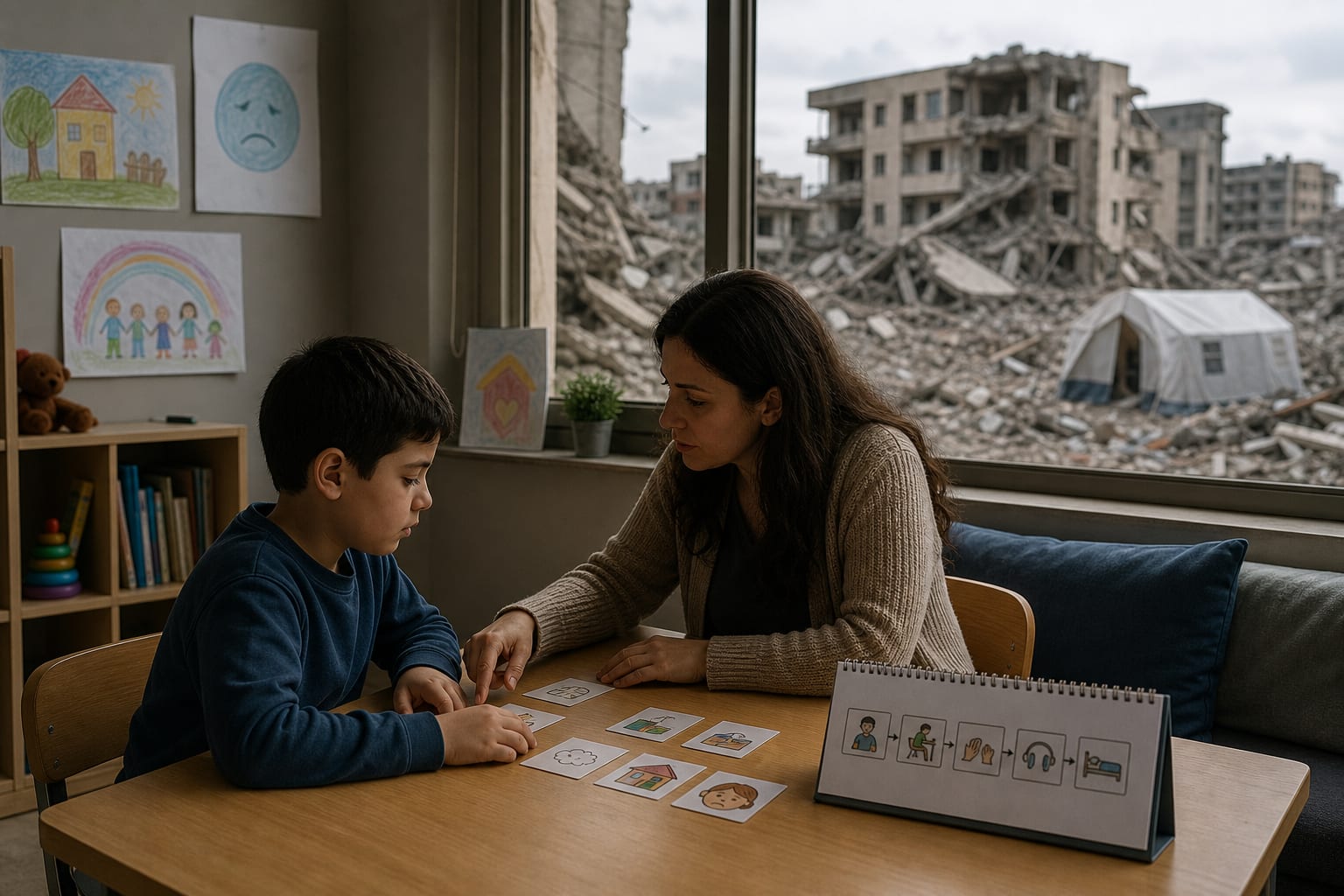
This study examines the behavioral, emotional, and academic changes in children with autism spectrum disorder (ASD) following the February 2023 earthquakes in Turkey, as reported by special education teachers. Key findings indicate increased problematic behaviors, emotional fatigue, and learning challenges linked to the disaster's impact as observed by the teachers.
Background
Natural disasters, particularly earthquakes, can have severe effects on communities, especially vulnerable populations such as children with autism spectrum disorder (ASD). Children with ASD may be sensitive to environmental changes, which can impact their psychological well-being during disasters. Understanding these effects is crucial for developing appropriate support and educational strategies in post-disaster contexts.
Data Highlights
No numerical data presented in the article.
Key Findings
Teachers reported a rise in problematic behaviors among children with ASD post-earthquake as observed in their classrooms.
Emotional fatigue and setbacks in social engagement and communication were noted by teachers.
Academic abilities declined, with significant learning challenges reported by educators.
Displacement and socioeconomic difficulties were observed to exacerbate the children's difficulties.
Inadequate educational settings were identified as contributing to the persistence of traumatic memories.
Clinical Implications
The findings suggest a need for trauma-informed educational practices and psychosocial support for children with ASD in disaster recovery settings, as indicated by the observations of the teachers.
Conclusion
The study highlights the impact of natural disasters on children with ASD, emphasizing the need for tailored support strategies in the aftermath of such events as reported by the teachers.