Association of Serum Syndecan-1 Levels with Severity of Coronary Artery Calcification
Overview
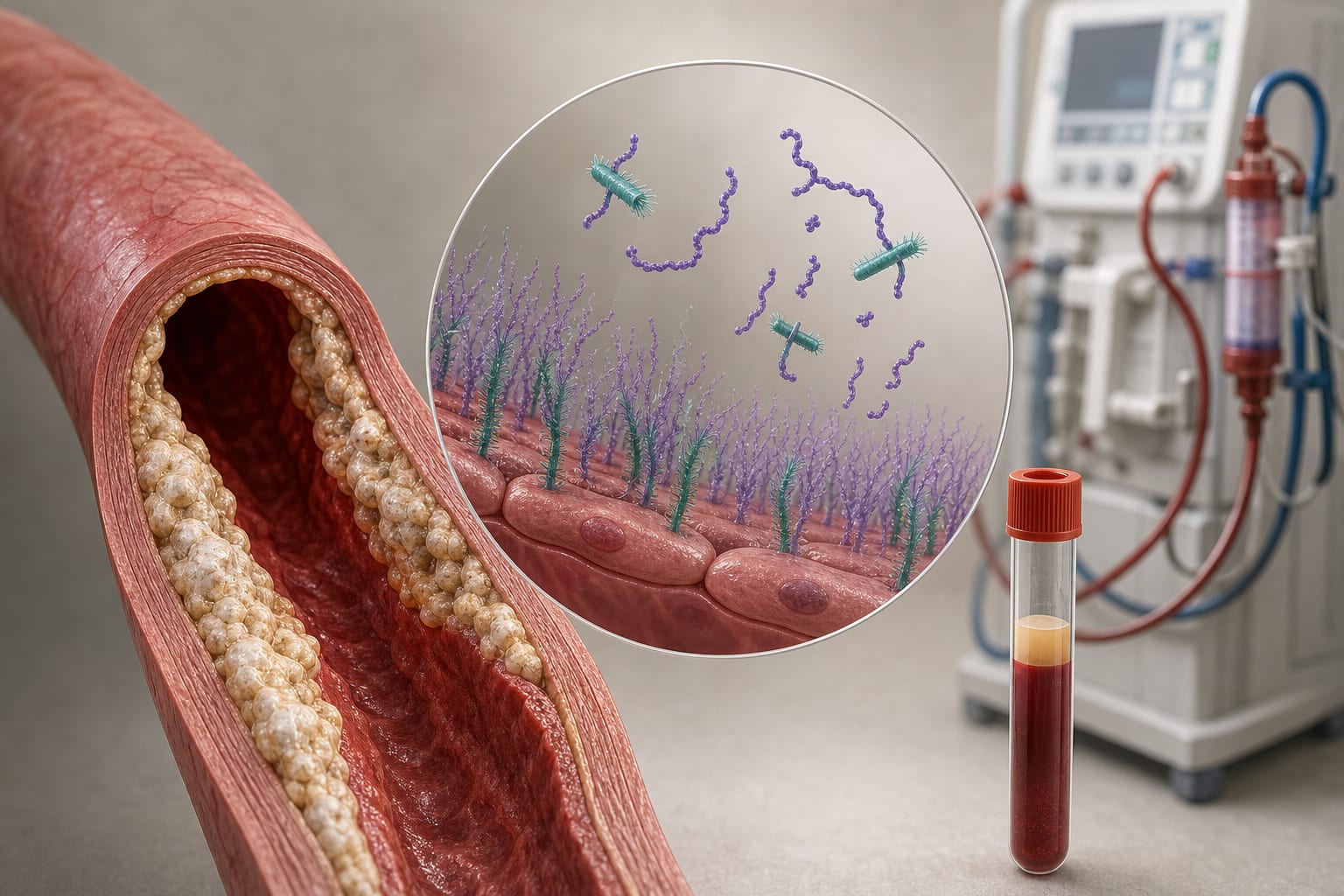
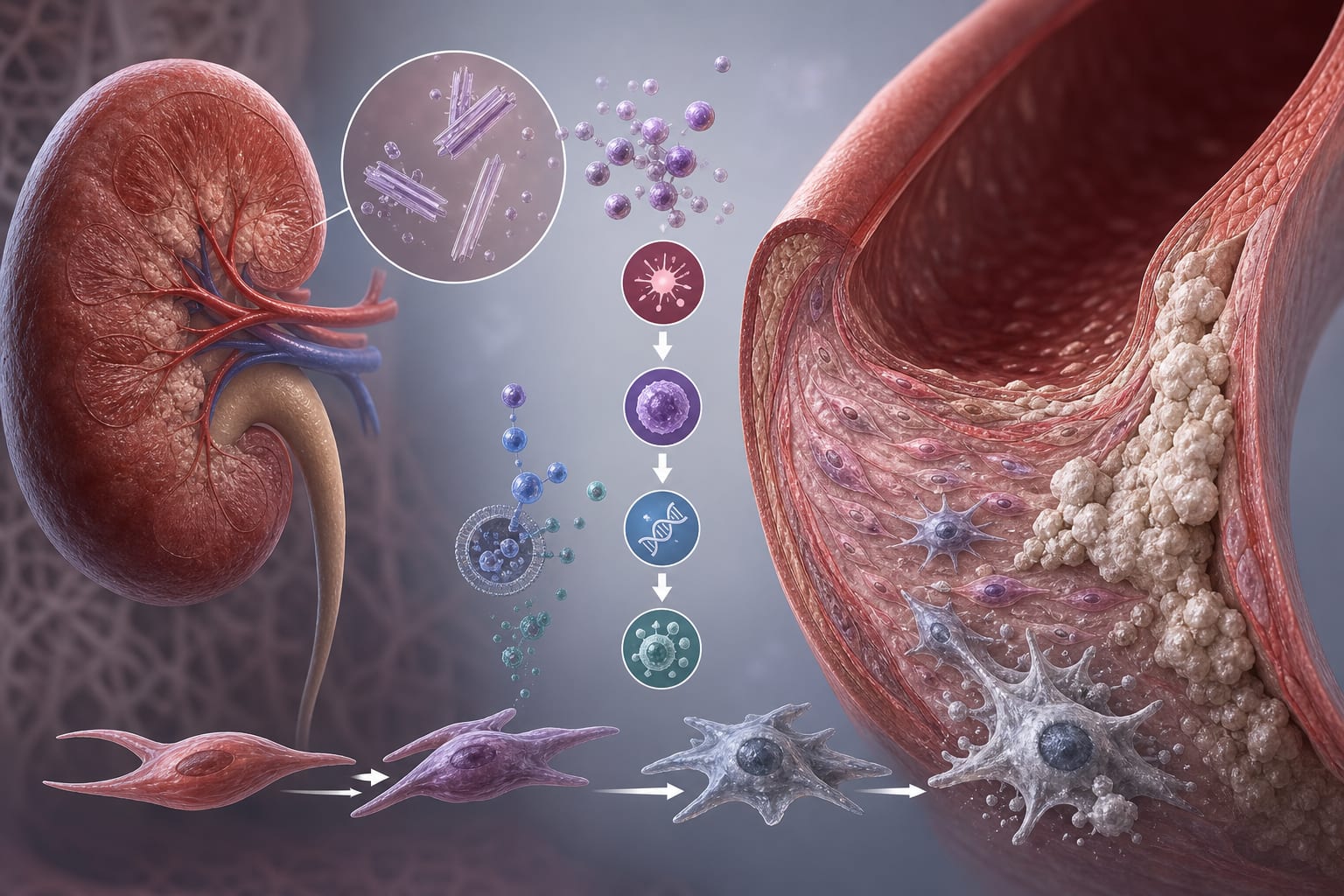
This study investigates the relationship between serum syndecan-1 levels and coronary artery calcification (CAC) severity in elderly maintenance hemodialysis patients. Elevated serum syndecan-1 is found to be independently associated with greater CAC severity and increased episodes of intradialytic hypotension.
Background
Cardiovascular disease is the leading cause of mortality in elderly patients undergoing maintenance hemodialysis, with coronary artery calcification being a significant predictor of adverse outcomes. Understanding biomarkers like serum syndecan-1, which reflects endothelial glycocalyx degradation, may provide insights into vascular dysfunction and hemodynamic instability in this vulnerable population.
Data Highlights
Parameter
Value
Serum SDC1 in MHD patients
Significantly higher than controls (P < 0.001)
Correlation with CACS
r = 0.75, P < 0.001
Adjusted OR for CAC severity
1.148 (95% CI 1.096–1.202, P < 0.001)
AUC from ROC analysis
0.920 (95% CI 0.867–0.974)
SDC1 threshold for higher CAC prevalence
33.5 pg/mL (86.9% vs. 7.4%, P < 0.001)
Key Findings
Serum syndecan-1 levels are significantly elevated in elderly MHD patients compared to healthy controls.
There is a strong correlation between serum syndecan-1 levels and coronary artery calcium scores (CACS).
Higher serum syndecan-1 levels are independently associated with increased severity of coronary artery calcification.
Increased levels of syndecan-1 are linked to more frequent episodes of intradialytic hypotension.
An exploratory threshold of 33.5 pg/mL for syndecan-1 identifies patients with a higher prevalence of CAC.
Clinical Implications
Monitoring serum syndecan-1 levels in elderly MHD patients may help identify those at greater risk for cardiovascular complications and intradialytic hypotension. This biomarker could potentially guide clinical decision-making and risk stratification in this population.
Conclusion
Elevated serum syndecan-1 is associated with both coronary artery calcification severity and intradialytic hypotension in elderly MHD patients, suggesting its potential role as a biomarker for vascular and hemodynamic instability. Further validation in prospective studies is warranted.