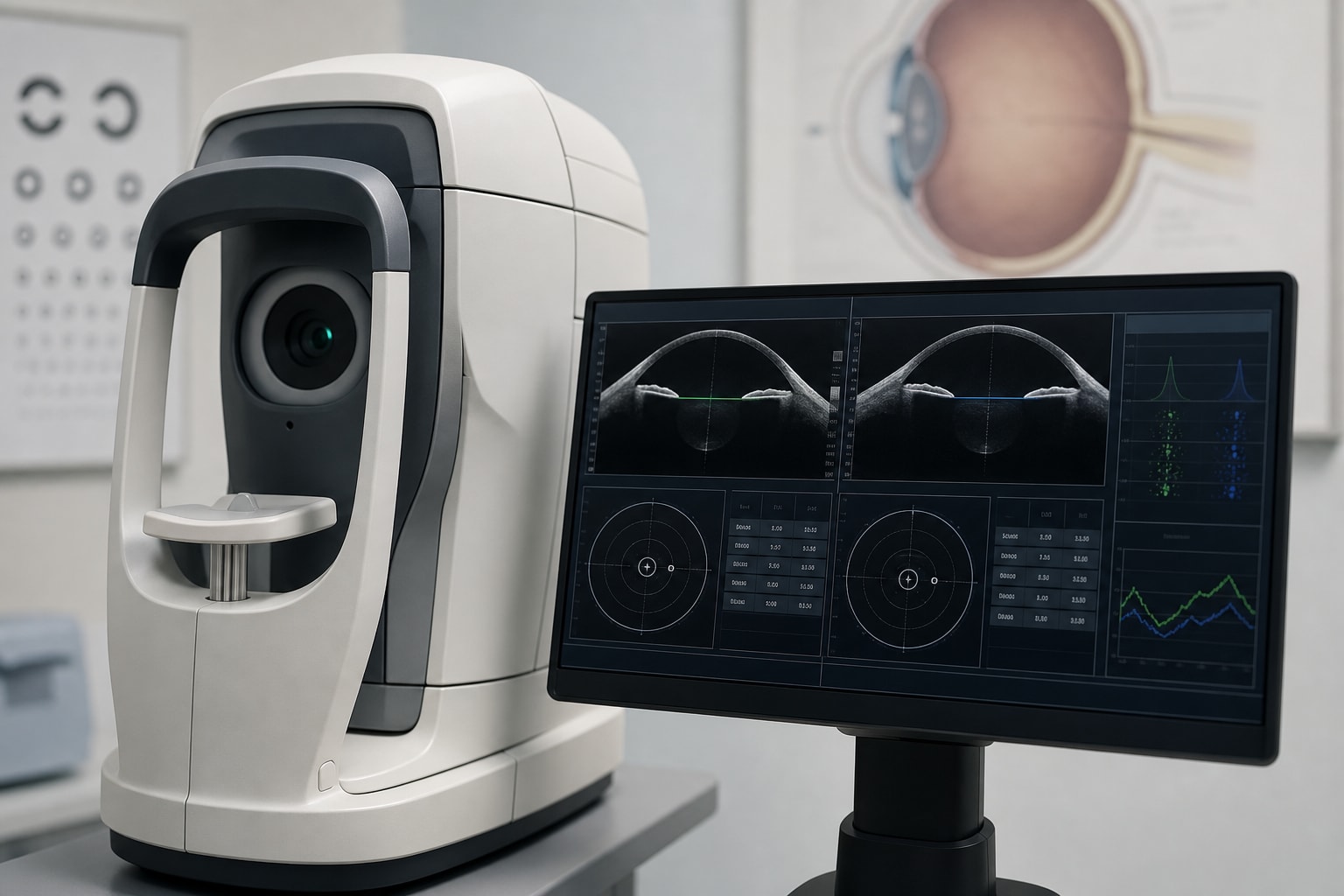
The contact lens industry has evolved significantly over the past 40 years, transitioning from a niche medical device to a primary mode of vision correction. Key developments include the introduction of soft lenses, silicone hydrogel materials, and specialty lenses for myopia control.
Background
The evolution of contact lenses is crucial for vision correction, impacting millions of patients worldwide. Understanding these advancements helps practitioners make informed decisions about lens selection and patient care. As the industry approaches its 40th anniversary, reflecting on past innovations can guide future practices.
Data Highlights
No numerical data available in the source material.
Key Findings
Contact lenses have transitioned from niche products to primary vision correction tools.
Soft lenses gained dominance in the market during the late 1980s.
The introduction of silicone hydrogel materials in the late 1990s revolutionized lens comfort and safety.
Specialty contact lenses have emerged as effective tools for myopia control in recent years.
Scleral lenses have seen a resurgence, indicating a shift in lens design preferences.
Clinical Implications
Practitioners should stay informed about the latest advancements in contact lens technology to optimize patient outcomes. The resurgence of scleral lenses and the focus on myopia control highlight the need for tailored approaches in lens selection.
Conclusion
The contact lens industry has undergone remarkable changes over the past four decades, and continued innovation is essential for enhancing patient care. Future advancements will likely build on the foundation established by past developments.