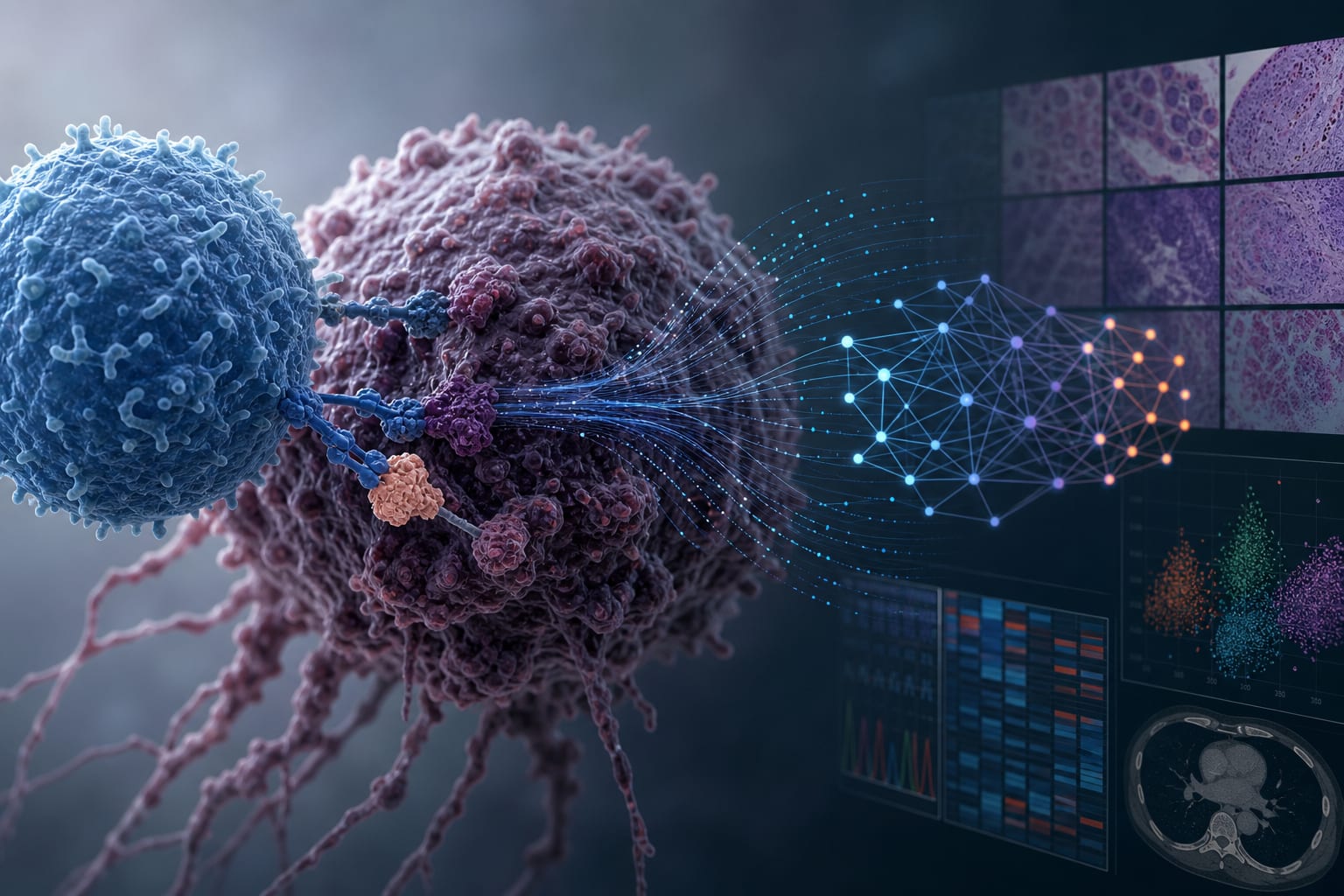
Clinical Report: Skin-Related Adverse Reactions Linked to Antibody-Drug Conjugates
Overview
This report analyzes skin-related adverse reactions associated with antibody-drug conjugates (ADCs) using data from the FDA Adverse Event Reporting System (FAERS). Significant findings include a high incidence of cutaneous adverse events (CAEs) and specific drug associations, highlighting the need for enhanced monitoring and management strategies.
Background
Antibody-drug conjugates (ADCs) represent a significant advancement in oncology, combining targeted therapy with potent cytotoxic agents. While they improve survival outcomes, the rise in cutaneous adverse events (CAEs) poses a challenge for patient management. Understanding these adverse reactions is crucial for optimizing treatment and ensuring patient safety.
Data Highlights
Finding
Data
Total CAEs Identified
3,631
Positive Signals Detected
31
Median Time-to-Onset (TTO)
15 days
Hospitalization Rate
23.4%
Death Rate
7.7%
Key Findings
3,631 cutaneous adverse events (CAEs) were reported in the FAERS database.
31 positive signals for CAEs were identified, with enfortumab vedotin showing the highest number of associations.
The median time-to-onset for CAEs was 15 days, with trastuzumab deruxtecan having the shortest latency.
Hospitalization occurred in 23.4% of cases, and 7.7% resulted in death.
Elderly patients and males exhibited increased susceptibility to ADC-related CAEs.
Clinical Implications
Clinicians should be vigilant in monitoring for cutaneous adverse events in patients receiving ADCs, particularly enfortumab vedotin. Early recognition and appropriate management strategies, including dose modifications and multidisciplinary care, are essential to mitigate risks associated with these therapies.
Conclusion
The findings underscore the significant risk of cutaneous adverse events linked to ADCs, necessitating proactive monitoring and tailored management approaches to enhance patient safety and treatment outcomes.