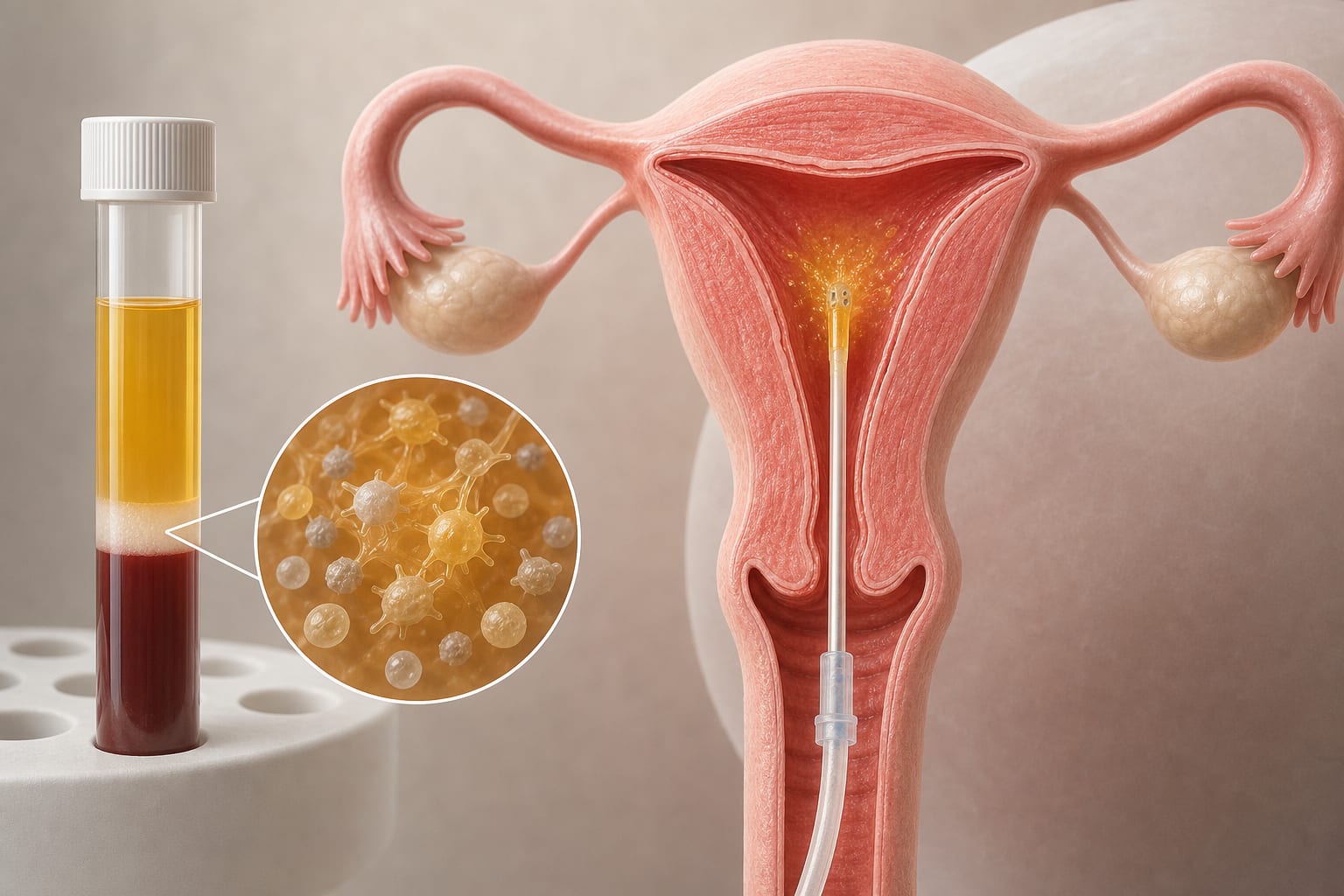
Clinical Report: Evaluating the Impact of Platelet-Rich Plasma on Unexplained Recurrent Implantation Failure
Overview
This comprehensive review synthesizes evidence on the use of platelet-rich plasma (PRP) in women with unexplained recurrent implantation failure (RIF). The overall quality of evidence remains low.
Background
Recurrent implantation failure (RIF) is a significant challenge in assisted reproductive technology, affecting couples' ability to achieve viable pregnancies. The exploration of adjunct therapies, such as platelet-rich plasma (PRP), aims to enhance reproductive outcomes in these cases. Variability in definitions and treatment protocols complicates the clinical application of PRP, as different studies may define RIF and treatment protocols differently.
Data Highlights
No numerical data available in the provided source material.
Key Findings
A total of 15 systematic reviews of randomized controlled trials were included in the analysis.
The corrected covered area (CCA) matrix indicated a very high overlap of 42% among the reviews.
Improvements in implantation rate, clinical pregnancy rate, and live birth rate were observed, but the certainty of evidence was low or not reported.
Only five of the 15 studies performed GRADE analysis, limiting the ability to make strong recommendations.
Meta-analysis suggested an overall beneficial effect of PRP, but this may be an overestimation due to low quality of evidence.
Clinical Implications
The quality of evidence supporting the efficacy of PRP in treating women with unexplained RIF is low. Variability in study methodologies and outcomes necessitates further research.
Conclusion
Intrauterine infusion of PRP shows potential as an adjunct therapy for unexplained RIF; however, the low quality of evidence precludes definitive recommendations.