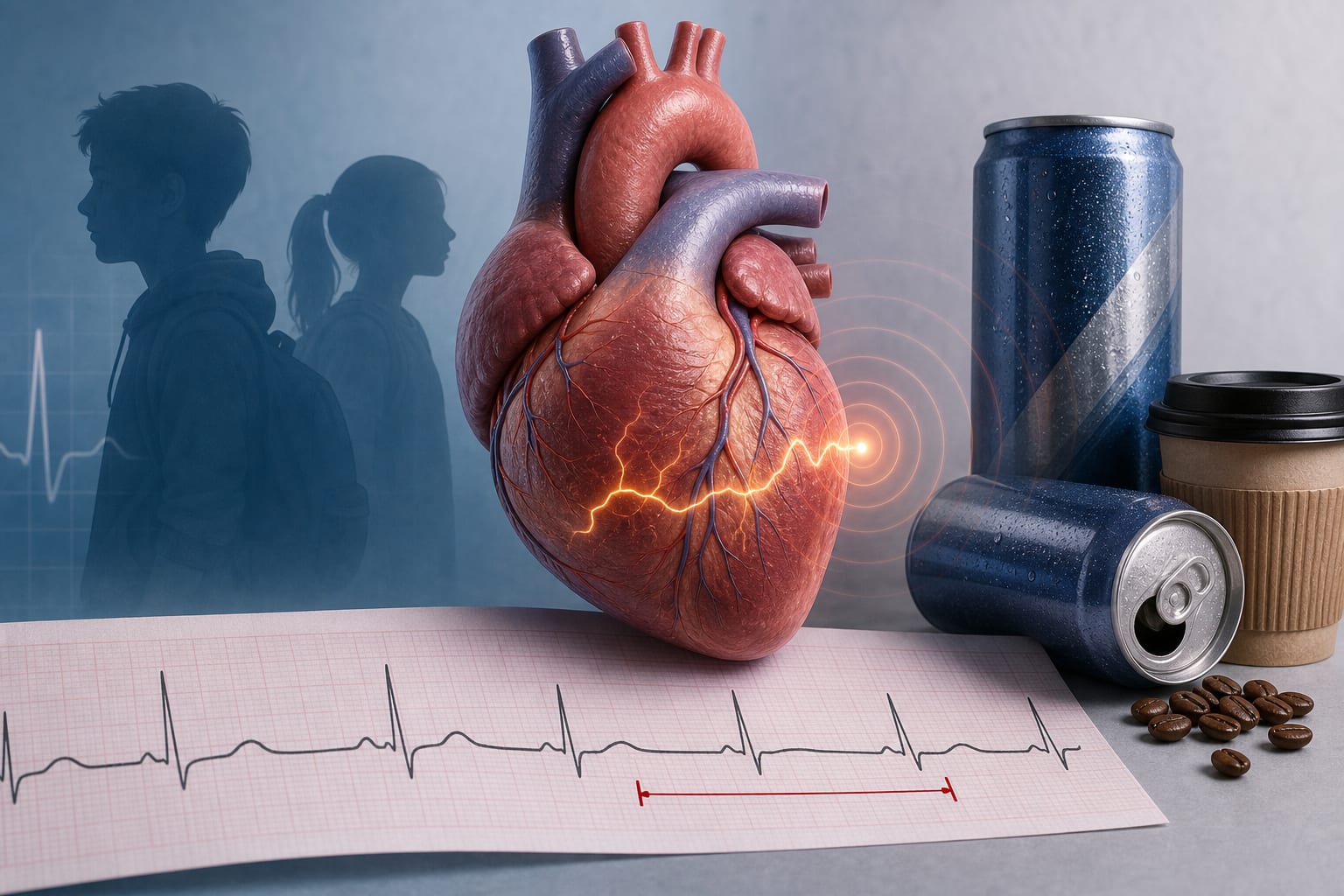
Clinical Report: Caffeine Consumption and Cardiac Arrhythmia Risks in Youth
Overview
This comprehensive review evaluates the arrhythmogenic effects of caffeine consumption in children and adolescents, highlighting increasing reports of arrhythmias associated with high caffeine intake, particularly from energy drinks.
Background
Caffeine is widely consumed, especially among adolescents, and is linked to both beneficial effects and potential adverse health outcomes. The risk of cardiac arrhythmias is particularly concerning in younger populations, who may have limited prior exposure to caffeine.
Data Highlights
Recent studies indicate that caffeine intake among adolescents has risen significantly, with some reporting consumption levels exceeding recommended limits. Research shows a correlation between high caffeine intake and increased incidence of arrhythmias, particularly in those consuming energy drinks. Additionally, surveys reveal that a substantial percentage of youth are unaware of the potential risks associated with excessive caffeine consumption.
Key Findings
Caffeine consumption is associated with various adverse health effects, including cardiovascular complications.
Adolescents may experience a higher risk of arrhythmias due to limited prior caffeine exposure.
Reports of arrhythmias have increased with the consumption of highly caffeinated products, particularly energy drinks.
The review identifies a lack of comprehensive studies specifically focusing on caffeine-related arrhythmias in children and adolescents.
Potential exacerbation of arrhythmogenic effects may occur when caffeine is consumed with other substances, such as alcohol.
Clinical Implications
Healthcare professionals should be aware of the potential cardiovascular risks associated with caffeine consumption in pediatric populations. Monitoring caffeine intake and educating patients and families about the risks of energy drinks may be necessary.
Conclusion
The review underscores the importance of further research into the arrhythmogenic effects of caffeine in children and adolescents, given the increasing consumption of caffeinated products in these populations.
Related Resources & Content
Pediatric Cardiology, 2025 -- Adenosine Dose and Cardioversion in Pediatric Supraventricular Tachycardia: A Systematic Review and Meta-Analysis
Pediatric Cardiology, 2025 -- Effects of Short-Term Energy Drink Intake on Heart Rate Variability in Pediatric Populations: A Randomized Study
Pediatric Cardiology, 2017 -- Comprehensive Review of Heart Failure Incidence and Prevalence Among Pediatric and Adolescent Populations
Frontiers in Pediatrics, 2026 -- Clinical Spectrum, independent risk factors, and treatment outcomes of pediatric arrhythmias: a multicenter retrospective analysis in Xinjiang
American Heart Association, 2025 -- Top Health Experts Release New Drink Recommendations for Kids and Teens’ Overall Health
Impact of Acute Energy Drink Consumption on Heart Rate Variability in Children and Adolescents. A Randomized Trial
Caffeine intake and cardiometabolic risk factors in adolescents in the United States
Top Health Experts Release New Drink Recommendations for Kids and Teens’ Overall Health | American Heart Association
The platform integrates with the CARTO ecosystem and enables physicians to use either pulsed field or radiofrequency energy based on patient anatomy and case complexity.