Submental Vestibular Approach for Transoral Endoscopic Thyroidectomy in Early Papillary Thyroid Cancer
Overview
This systematic review and meta-analysis compares the submental vestibular approach (TOETSMVA) with the transoral vestibular approach (TOETVA) and conventional open thyroidectomy (COT) in early-stage papillary thyroid carcinoma. TOETSMVA demonstrated favorable surgical outcomes and complication profiles without increasing costs or requiring specialized instruments.
Background
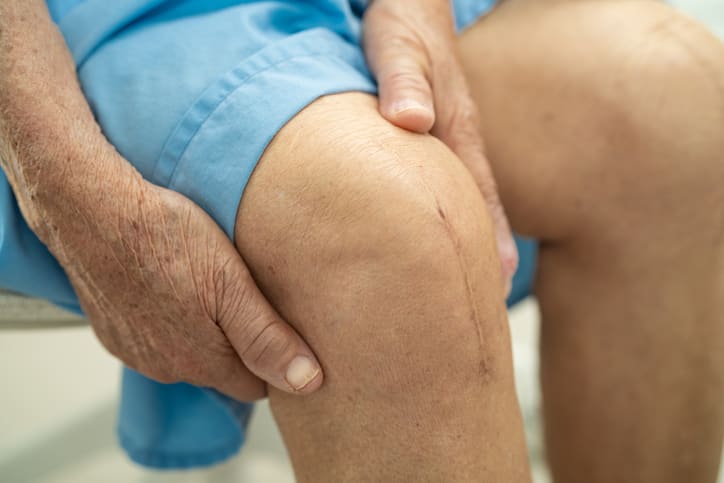
Thyroidectomy is the standard treatment for various thyroid conditions including papillary thyroid carcinoma, which accounts for the majority of differentiated thyroid cancers. Conventional open thyroidectomy, while effective, often results in a prominent neck scar impacting patient quality of life. Minimally invasive endoscopic techniques such as TOETVA have gained popularity due to their scarless approach and good therapeutic outcomes. However, anatomical challenges and complications like cutaneous paralysis have prompted exploration of alternative approaches such as TOETSMVA.
Data Highlights
Outcome
Comparison
Result
Operation Time
TOETSMVA vs TOETVA/COT
Comparable or improved
Hospital Stay
TOETSMVA vs TOETVA/COT
Similar or shorter
Postoperative Drainage
TOETSMVA vs TOETVA/COT
Reduced volume
Number of Resected Lymph Nodes
TOETSMVA vs TOETVA/COT
Equivalent
Complications
TOETSMVA vs TOETVA/COT
Lower rates of mandibular numbness and cutaneous paralysis
Key Findings
TOETSMVA offers comparable oncological efficacy to TOETVA and COT in early-stage papillary thyroid carcinoma.
TOETSMVA is associated with fewer complications such as cutaneous paralysis and mandibular numbness compared to TOETVA.
The submental vestibular approach does not increase operative time or hospital stay relative to other approaches.
Postoperative drainage volume is reduced with TOETSMVA, potentially indicating less surgical trauma.
TOETSMVA does not require specialized endoscopic or robotic instruments, maintaining cost-effectiveness.
Patient satisfaction and cosmetic outcomes are favorable with TOETSMVA, supporting its use as a scarless surgical option.
Clinical Implications
The TOETSMVA technique provides a safe and effective minimally invasive alternative to conventional and vestibular transoral thyroidectomy approaches, particularly for early-stage papillary thyroid carcinoma. Its lower complication rates and favorable cosmetic outcomes may improve patient quality of life without increasing healthcare costs or operative complexity. Surgeons should consider TOETSMVA when aiming for optimal functional and aesthetic results.
Conclusion
TOETSMVA represents a promising advancement in endoscopic thyroid surgery, combining oncological safety with improved complication profiles and cosmetic benefits. Further high-quality randomized trials are warranted to consolidate these findings and guide clinical practice.
Spontaneous posterior capsular rupture affected both eyes years following uncomplicated cataract surgery, but intraocular lens dislocation required surgery in only 1 eye.