Neocortical tau burden determines the degree of cognitive impairment in individuals with Braak stage V neurofibrillary degeneration - Report - MDSpire

Neocortical tau burden determines the degree of cognitive impairment in individuals with Braak stage V neurofibrillary degeneration

  • By

  • Timothy E. Richardson

  • Jonathan Cherry

  • Shrishtee Kandoi

  • Susan K. Rohde

  • Madeline Uretsky

  • Fatima Tuz-Zahra

  • Kevin F. Bieniek

  • Kurt Farrell

  • Marco M. Hefti

  • Michael B. Miller

  • Yorghos Tripodis

  • Thor D. Stein

  • Carolina Maldonado-Díaz

  • Satomi Hiya

  • Thomas G. Beach

  • María M. Corrada

  • Brittany N. Dugger

  • Margaret E. Flanagan

  • Matthew P. Frosch

  • Marla Gearing

  • Lea T. Grinberg

  • Lawrence A. Hansen

  • Debra Hawes

  • Elizabeth Head

  • C. Dirk Keene

  • Julia Kofler

  • Edward B. Lee

  • Peter T. Nelson

  • Derek H. Oakley

  • Richard J. Perrin

  • Robert A. Rissman

  • Shahriar Salamat

  • Julie A. Schneider

  • Geidy E. Serrano

  • Andrew F. Teich

  • Juan C. Troncoso

  • Thomas Wisniewski

  • Randall L. Woltjer

  • John F. Crary

  • Dennis W. Dickson

  • Ann C. McKee

  • Jamie M. Walker

  • May 25, 2026

  • 0 min

Share

Clinical Report: The Impact of Neocortical Tau Accumulation on Cognitive Dysfunction

Overview

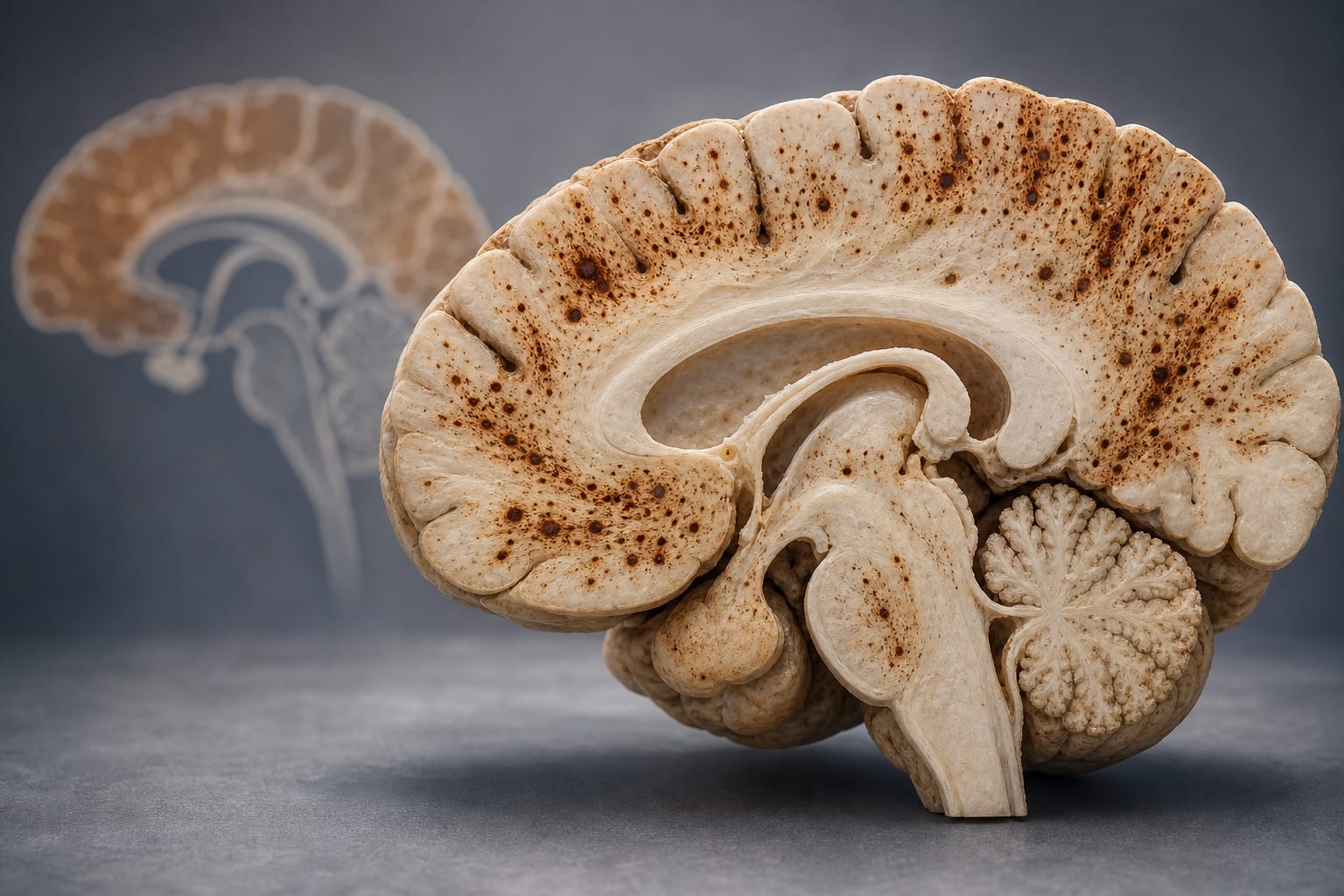
This study investigates the relationship between neocortical tau accumulation and cognitive dysfunction in patients with Braak stage V neurofibrillary changes. Findings suggest that both the density and location of tau deposits significantly influence cognitive status, particularly in the context of comorbid neurodegenerative conditions.

Background

Alzheimer disease (AD) is the leading cause of cognitive decline in older adults, with projections indicating a rise in prevalence. Understanding the neuropathologic features associated with cognitive impairment, particularly the role of tau accumulation, is crucial for developing effective interventions. Variability in cognitive outcomes among individuals with similar levels of tau pathology underscores the need for deeper insights into the mechanisms underlying cognitive resilience and decline.

Data Highlights

No numerical data or trial data presented in the article.

Key Findings

  • Neocortical tau accumulation correlates with cognitive dysfunction in Braak stage V patients.
  • The density of p-tau deposits may be a more accurate predictor of cognitive status than Braak staging alone.
  • Comorbid neurodegenerative pathologies can complicate the relationship between tau accumulation and cognitive outcomes.
  • Quantitative assessments of tau burden can provide valuable insights into individual cognitive trajectories.
  • Variability in cognitive decline among patients with similar ADNC levels highlights the importance of considering additional factors such as cognitive resilience.

Clinical Implications

Clinicians should consider the density and distribution of tau deposits when assessing cognitive impairment in patients with AD. Incorporating quantitative measures of tau burden may enhance the understanding of individual cognitive trajectories and inform treatment decisions.

Conclusion

The study emphasizes the critical role of neocortical tau accumulation in cognitive dysfunction among patients with advanced neurofibrillary changes. Further research is needed to explore the implications of these findings for clinical practice and patient management.

Related Resources & Content

  1. Acta Neuropathologica, 2023 -- Idiotypic-susceptible Alzheimer’s disease: a clinically relevant, neurofibrillary tangle subtype
  2. Brain, 2023 -- Tau in the default mode network as a predictor of future clinical deterioration in atypical early-stage Alzheimer’s disease
  3. Acta Neuropathologica, 2017 -- Dynamics of Abnormal Protein Interactions in Neurodegenerative Disorders
  4. Acta Neuropathologica, 2024 -- Association of Regional AT-8 Reactive Tau Variants with Intracellular Aβ Concentrations in Low Alzheimer’s Disease Neuropathology Cases
  5. Updated appropriate use criteria for amyloid and tau PET, 2023 -- A report from the Alzheimer's Association and Society for Nuclear Medicine and Molecular Imaging Workgroup
  6. Neurology, 2023 -- The Importance of Early Recognition and Treatment Initiation for Managing Alzheimer’s disease: Subpopulation Analysis of the TRAILBLAZER-ALZ 2 Randomized Trial
  7. Alzheimer's Research & Therapy, 2025 -- Regional tau PET patterns predict prospective domain-specific cognitive decline in early symptomatic Alzheimer’s disease
  8. Updated appropriate use criteria for amyloid and tau PET: A report from the Alzheimer's Association and Society for Nuclear Medicine and Molecular Imaging Workgroup - PubMed
  9. The Importance of Early Recognition and Treatment Initiation for Managing Alzheimer’s disease: Subpopulation Analysis of the TRAILBLAZER-ALZ 2 Randomized Trial (S23.005) | Neurology
  10. Regional tau PET patterns predict prospective domain-specific cognitive decline in early symptomatic Alzheimer’s disease | Alzheimer's Research & Therapy | Springer Nature Link

Original Source(s)

Related Content