A case of synchronous double primary combined hepatocellular-cholangiocarcinoma complicated with gallbladder adenocarcinoma: a rare case report - Report - MDSpire
Advertisement
A case of synchronous double primary combined hepatocellular-cholangiocarcinoma complicated with gallbladder adenocarcinoma: a rare case report
This report details a rare case of synchronous double primary hepatocellular-cholangiocarcinoma and gallbladder adenocarcinoma in a 73-year-old female, emphasizing the clinical significance and rarity of such occurrences. Postoperative pathology confirmed the diagnosis, and the patient showed significant recovery following surgical intervention.
Background
Multiple primary cancers (MPCs) are increasingly recognized, yet cases involving synchronous double primary tumors of the liver and gallbladder remain exceptionally rare. The liver is a common site for MPCs, with combined hepatocellular-cholangiocarcinoma (cHCC-CCA) being a unique entity that complicates diagnosis and treatment. Understanding these rare occurrences is crucial for improving clinical outcomes and guiding individualized treatment strategies, particularly in the context of atypical presentations.
Data Highlights
No numerical data or trial data available in the article.
Key Findings
A 73-year-old female presented with abdominal pain, nausea, and weight loss.
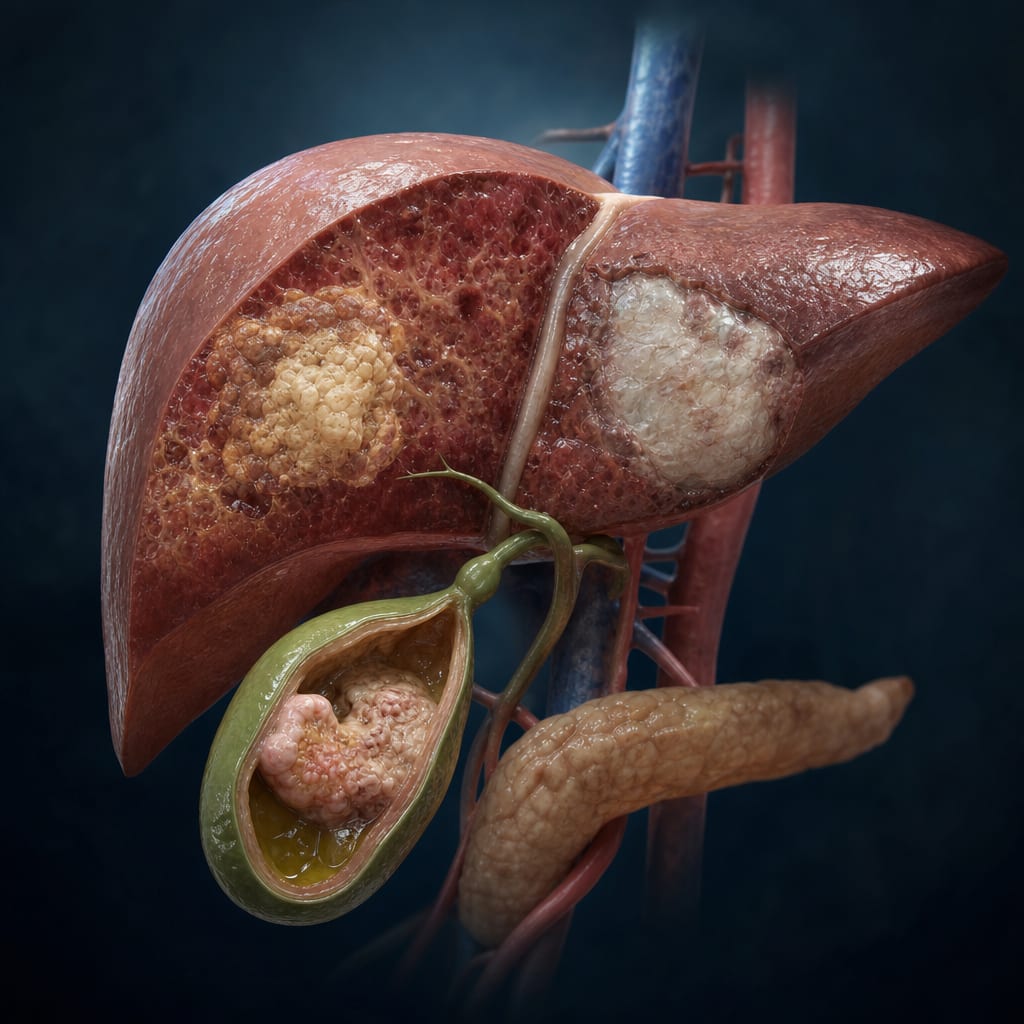
Imaging revealed a space-occupying lesion in the liver and a nodular lesion in the gallbladder.
Postoperative pathology confirmed cHCC-CCA and gallbladder adenocarcinoma with clear resection margins.
This case represents the first reported instance of synchronous double primary tumors involving cHCC-CCA and gallbladder adenocarcinoma.
The patient experienced significant symptom relief following surgery.
Clinical Implications
This case highlights the importance of considering multiple primary cancers in patients with atypical presentations. Clinicians should be vigilant in using advanced imaging techniques, such as MRI and CT, and multidisciplinary approaches for accurate diagnosis and treatment planning in rare cancer cases.
Conclusion
The successful management of this rare case underscores the need for heightened awareness and thorough investigation of synchronous primary tumors in clinical practice, as well as the potential for future research to improve outcomes.