Clinical Report: Progress in Pediatric Asthma Management
Overview
This report highlights advancements in the diagnosis and management of pediatric asthma, emphasizing the importance of early detection and personalized care. It discusses the role of biologic therapies and targeted preventive strategies in improving outcomes for children with asthma.
Background
Pediatric asthma is a prevalent chronic condition that significantly impacts children's health and quality of life. Effective management is crucial to prevent long-term lung function deterioration and improve overall well-being. Recent advancements in diagnostic tools and treatment options are reshaping the approach to asthma care in children.
Data Highlights
No numerical data provided in the source material.
Key Findings
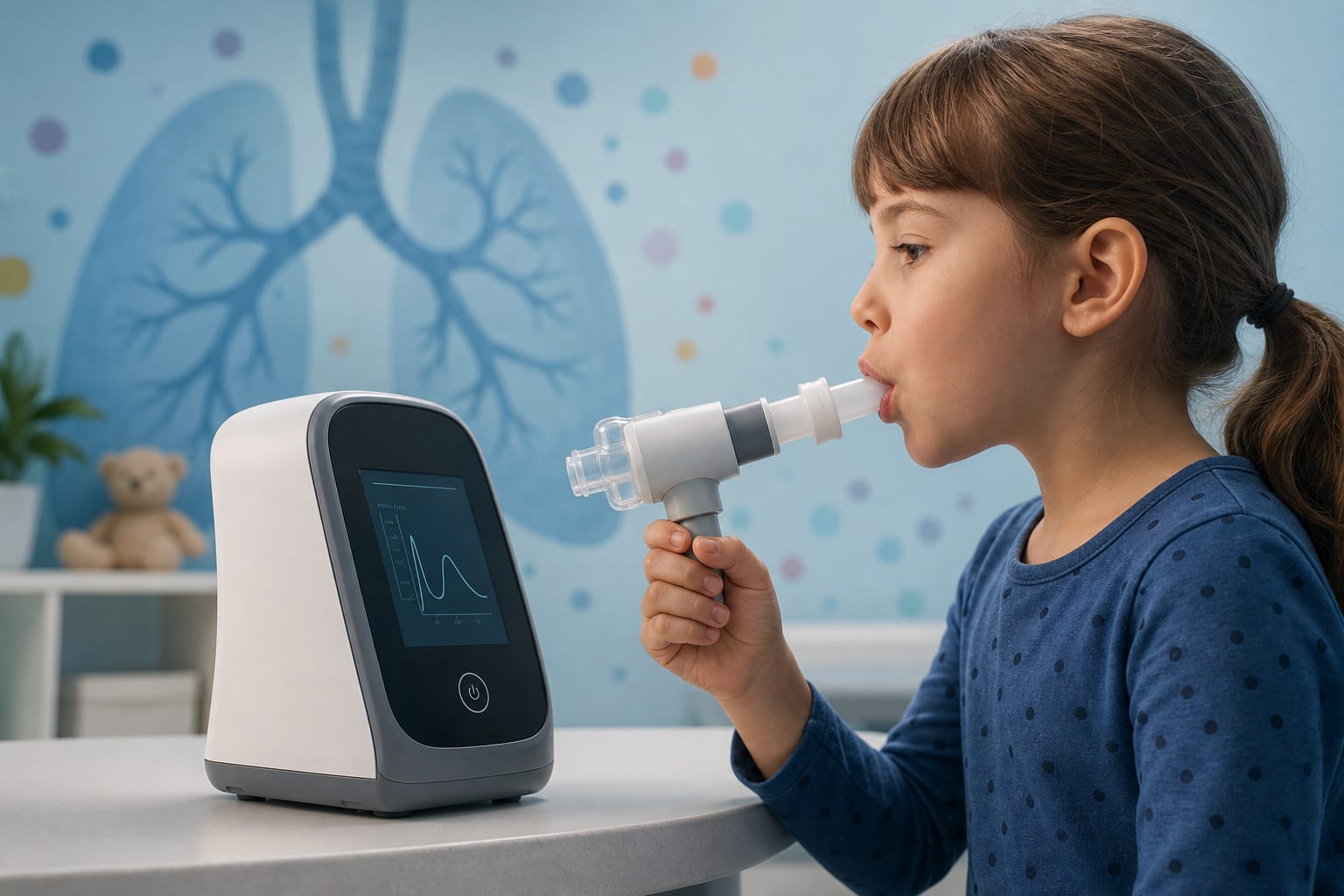
Advances in diagnosis include fractional exhaled nitric oxide measurement and blood eosinophil assessment.
Biologic therapies targeting specific inflammatory pathways are increasingly available for pediatric patients.
Optimal management combines daily care, symptom monitoring, and adherence to medications.
Targeted preventive strategies can reduce exacerbation risk and promote long-term control.
Coordinated care among caregivers, schools, and healthcare teams is essential for improving outcomes.
Emerging digital self-management tools and community interventions show promise for enhancing disease control.
Clinical Implications
Healthcare providers should focus on early detection and personalized treatment plans for pediatric asthma. Coordinated care involving families and schools is vital to ensure effective management and support for children with asthma.
Conclusion
The evolving landscape of pediatric asthma management underscores the need for comprehensive, evidence-based approaches to improve children's respiratory health and quality of life.