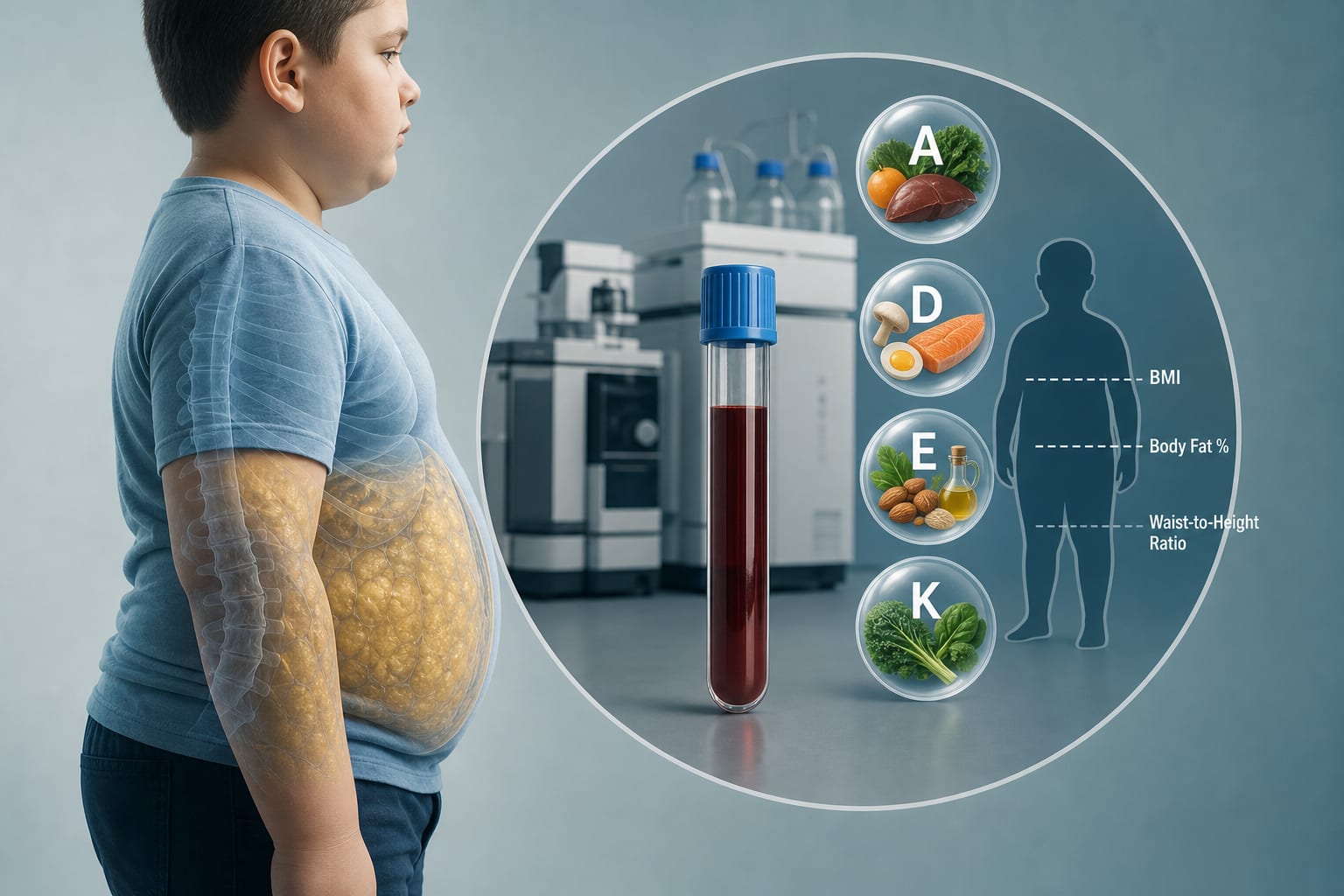
Clinical Report: Obesity's Impact on Reproductive Health and Emerging Therapies
Overview
Obesity significantly disrupts reproductive function in both males and females through complex metabolic and hormonal pathways. Emerging treatments such as GLP-1 receptor agonists offer promising benefits for fertility beyond weight loss.
Background
Reproductive health is closely linked to metabolic status, with both energy deficiency and excess affecting pubertal onset and fertility. Obesity in males leads to male obesity-related secondary hypogonadism (MOSH), characterized by inflammation, insulin resistance, and suppressed gonadotropin secretion. In females, obesity is a major risk factor for polycystic ovary syndrome (PCOS) and other ovulatory dysfunctions, including female obesity-related secondary hypogonadism (FOSH). Metabolic signals such as leptin and kisspeptin play critical roles in regulating the hypothalamic-pituitary-gonadal axis.
Data Highlights
Leptin levels correlate directly with body fat and are essential for pubertal progression and fertility. Kisspeptin signaling is crucial for activating GnRH neurons, with leptin stimulating kisspeptin expression. Nitric oxide synthase neurons and POMC neurons also mediate leptin's effects on reproductive hormone release. Disruption of these pathways leads to hypogonadism and infertility in obesity.
Key Findings
Obesity causes male secondary hypogonadism (MOSH) through systemic inflammation, insulin resistance, and reduced gonadotropin secretion.
In females, obesity increases risk for PCOS and non-PCOS ovulatory dysfunction termed female obesity-related secondary hypogonadism (FOSH).
Leptin is a key metabolic hormone signaling energy sufficiency, necessary but not solely sufficient for puberty and fertility.
Kisspeptin neurons mediate leptin's effects on GnRH release, essential for reproductive axis activation.
Nitric oxide synthase neurons and POMC neurons provide additional redundant pathways linking metabolism to reproduction.
GLP-1 receptor agonists represent a novel therapeutic approach that may improve reproductive outcomes beyond weight loss.
Clinical Implications
Clinicians should recognize obesity as a reversible cause of hypogonadism and infertility in both sexes. Weight management remains fundamental for preserving reproductive health. Incorporating GLP-1 receptor agonists may enhance fertility outcomes by targeting metabolic and hormonal pathways beyond simple weight reduction.
Conclusion
Obesity profoundly impairs reproductive function through multifaceted metabolic and endocrine disruptions. Advances in understanding these mechanisms have paved the way for innovative therapies like GLP-1 receptor agonists, offering hope for improved fertility in obese patients.
References
Review Article -- The Relationship Between Obesity and Reproductive Health
Patients are mining Reddit and TikTok for symptom intel while you're not — and a small study calls it epistemic injustice. Different knowledge, mutually unrecognized. Maybe ask where they've been reading before you wave it off as anecdote.