Clinical Report: The Relationship Between Ischemic Stroke Frequency, Severity, and Subsequent Cognitive Decline and Dementia Development
Overview
This study investigates the relationship between ischemic stroke frequency and severity with subsequent cognitive decline and dementia development. It utilizes data from three US cohorts to assess how stroke severity impacts long-term cognitive outcomes and the role of vascular risk factors.
Background
Cognitive impairment and dementia are prevalent after stroke, affecting a significant proportion of survivors. The variability in prevalence rates highlights the need for understanding the long-term cognitive consequences of stroke, particularly as stroke incidence rises among older adults. Identifying risk factors associated with cognitive decline post-stroke is crucial for improving patient outcomes and guiding clinical management.
Data Highlights
No numerical data available in the provided source material.
Key Findings
Approximately 25% of stroke survivors develop incident dementia within the first year.
Stroke severity is a major risk estimator for poststroke cognitive outcomes.
Vascular risk factors such as blood pressure and BMI may mediate the relationship between stroke severity and cognitive impairment.
Longitudinal cognitive assessments were conducted before and after stroke to evaluate cognitive decline.
More severe strokes are associated with worse vascular and metabolic status, contributing to cognitive decline.
Clinical Implications
Healthcare professionals should monitor cognitive function in stroke survivors, particularly those with more severe strokes. Management of vascular risk factors post-stroke may help mitigate cognitive decline and dementia development.
Conclusion
The study underscores the importance of assessing stroke severity and associated vascular risk factors in predicting cognitive outcomes in stroke survivors. Enhanced monitoring and intervention strategies may improve long-term cognitive health in this population.
by Silvia Koton, Alden L. Gross, Hugo J. Aparicio, Alexa S. Beiser, Emily M. Briceño, Josef Coresh, Mitchell S. V. Elkind, Bruno J. Giordani, Rebecca F. Gottesman, Rodney A. Hayward, Virginia J. Howard, Michelle C. Johansen, Ronald M. Lazar, Mellanie V. Springer, Robert J. Stanton, Jeremy Sussman, Hang Wang, Rachael T. Whitney, Wen Ye, Deborah A. Levine
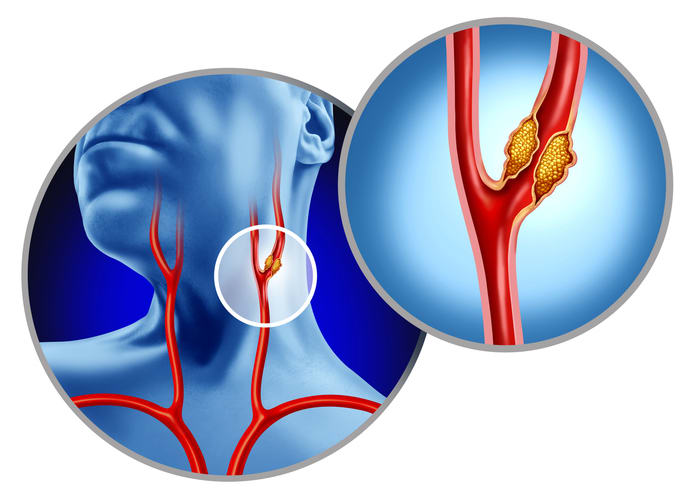
In this procedural case review, vascular surgeon Dr. Samuel Steerman performs a right carotid endarterectomy on a woman in her 60s who experienced a stroke related to carotid artery plaque.