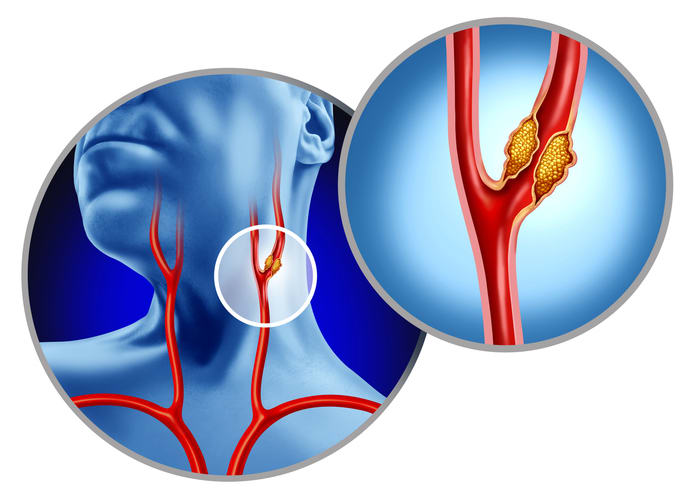
Link Between Severity of Intracranial Arterial Stenosis and Risk of Stroke Recurrence
Overview
This study investigates the relationship between the severity of intracranial arterial stenosis (ICAS) and the risk of recurrent ischemic stroke in elderly patients. Findings indicate that greater ICAS severity is associated with a significantly higher risk of stroke recurrence within 12 months, emphasizing the need for early vascular imaging and risk stratification.
Background
Intracranial arterial stenosis is a prevalent cause of ischemic stroke, particularly in older adults, and is linked to increased recurrence rates. Understanding the impact of ICAS severity on stroke recurrence is crucial for effective secondary prevention strategies. This study addresses a gap in knowledge regarding the prognostic implications of varying degrees of ICAS in a real-world clinical setting.
Data Highlights
Stenosis Category
Recurrent Stroke Rate (%)
None-to-Mild (<50%)
8.4
Moderate (50–69%)
16.8
Severe (≥70%)
27.9
Key Findings
Recurrent ischemic stroke occurred in 16.3% of patients during the 12-month follow-up.
Recurrence rates increased with stenosis severity: 8.4% for none-to-mild, 16.8% for moderate, and 27.9% for severe stenosis (p < 0.001).
Severe ICAS was independently associated with a 3.12-fold increased risk of recurrent stroke (adjusted OR 3.12, 95% CI 1.85–5.26, p < 0.001).
Moderate stenosis also showed an independent association with recurrence risk (adjusted OR 1.96, 95% CI 1.04–3.69, p = 0.037).
The study highlights the importance of vascular imaging in elderly patients with ischemic stroke for risk stratification.
Clinical Implications
Healthcare professionals should consider the severity of ICAS when assessing stroke recurrence risk in elderly patients. Early vascular imaging and tailored management strategies may improve outcomes for patients with significant stenosis.
Conclusion
The study underscores the critical relationship between ICAS severity and recurrent stroke risk in older adults, advocating for enhanced risk assessment and management in clinical practice.
In this procedural case review, vascular surgeon Dr. Samuel Steerman performs a right carotid endarterectomy on a woman in her 60s who experienced a stroke related to carotid artery plaque.