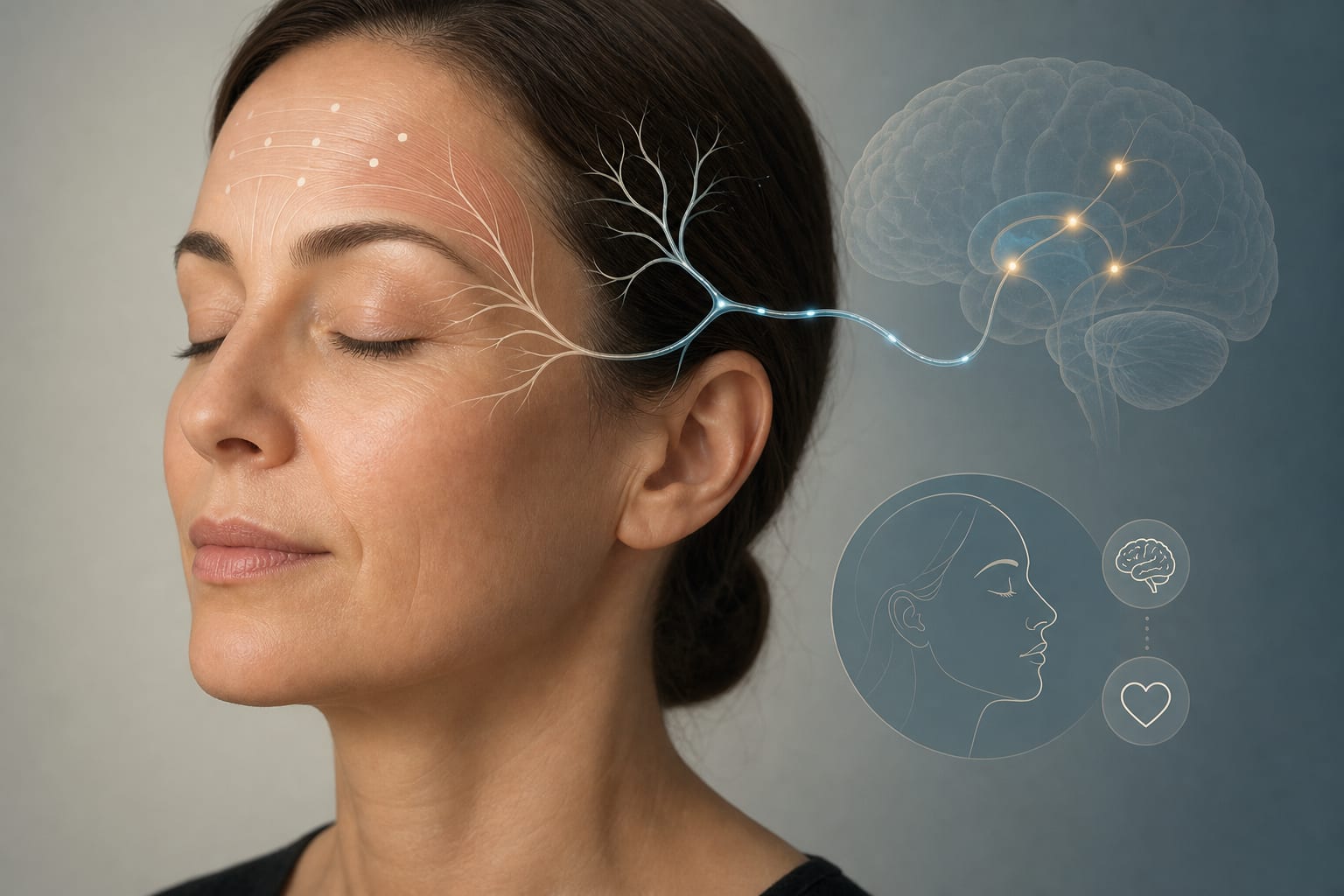
Human-derived Bacteroides strain reduces depressive-like behaviors in stressed rats
Overview
Oral administration of a human-derived GABA-producing Bacteroides salyersiae strain HB32 significantly ameliorated depressive-like behaviors in rats subjected to repeated social defeat stress. The live bacterial intervention showed comparable effects to ketamine treatment, highlighting the potential of microbiome-based therapies targeting the gut-brain axis in depression.
Background
Depression affects up to 9% of U.S. adults annually and is influenced by complex factors including diet, stress, genetics, and gastrointestinal disturbances. The gut-brain axis, particularly involving the microbiome and vagus nerve, plays a key role in modulating mood and behavior. Previous studies have linked decreased fecal Bacteroides levels with depression, and Bacteroides species produce bioactive metabolites such as GABA that may influence brain function. This study investigates whether oral administration of a human-derived GABA-producing B. salyersiae strain can reduce depressive-like behaviors in a rat social defeat model.
Data Highlights
Group
Intervention
Duration
Dose
Outcome Measures
SD + HB32
Live B. salyersiae HB32
7 days
1 × 10⁹ cells/day oral gavage
Reduced anhedonia, improved sucrose preference
SD + iHB32
Inactivated B. salyersiae HB32
7 days
Equivalent non-viable cells oral gavage
No significant improvement
SD + Ketamine
Ketamine hydrochloride
7 days
10 mg/kg/day intraperitoneal injection
Reduced depressive-like behaviors
SD + Vehicle
Phosphate-buffered saline
7 days
Oral gavage
Persisting depressive-like behaviors
Naïve Control
None
N/A
N/A
Normal behavior
Key Findings
Oral administration of live B. salyersiae HB32 significantly reduced depressive-like behaviors in rats exposed to repeated social defeat stress.
Inactivated HB32 (non-viable bacteria) did not produce behavioral improvements, indicating the necessity of live bacteria.
HB32 treatment effects were comparable to those of ketamine, a clinically approved rapid-acting antidepressant.
HB32 produces GABA in vitro under anaerobic conditions, supporting a mechanistic role in modulating neurotransmission.
Vagotomy and multi-omics analyses suggest involvement of the gut-brain axis pathways in mediating the antidepressant effects of HB32.
Clinical Implications
These findings support the therapeutic potential of microbiome-based interventions, specifically GABA-producing Bacteroides strains, in treating depression. Oral administration of live beneficial bacteria may offer a novel, non-pharmacologic approach to modulate the gut-brain axis and alleviate depressive symptoms. Further clinical studies are warranted to translate these preclinical results into human applications.
Conclusion
The human-derived B. salyersiae HB32 strain effectively reduces depressive-like behaviors in a rat model of social defeat stress, highlighting the microbiome's role in mood regulation and offering promising avenues for microbiota-targeted depression therapies.
by Marisol I. Dothard, Mariaelena Caboni, Daniel Norment, Nolan Sigmund, Sarah M. Allard, Jack A. Gilbert, Ekaterina Gavrish, Gabriel Al-Ghalith, Andre Der-Avakian, Philip Strandwitz