Clinical Report: Single-Port Robotic Surgery for Head and Neck Tumors
Overview
Single-port robotic surgery is enhancing surgical access and treatment options for head and neck tumors, previously difficult to reach with traditional methods. This technology has shown promising outcomes in terms of lower recurrence rates and improved patient recovery.
Background
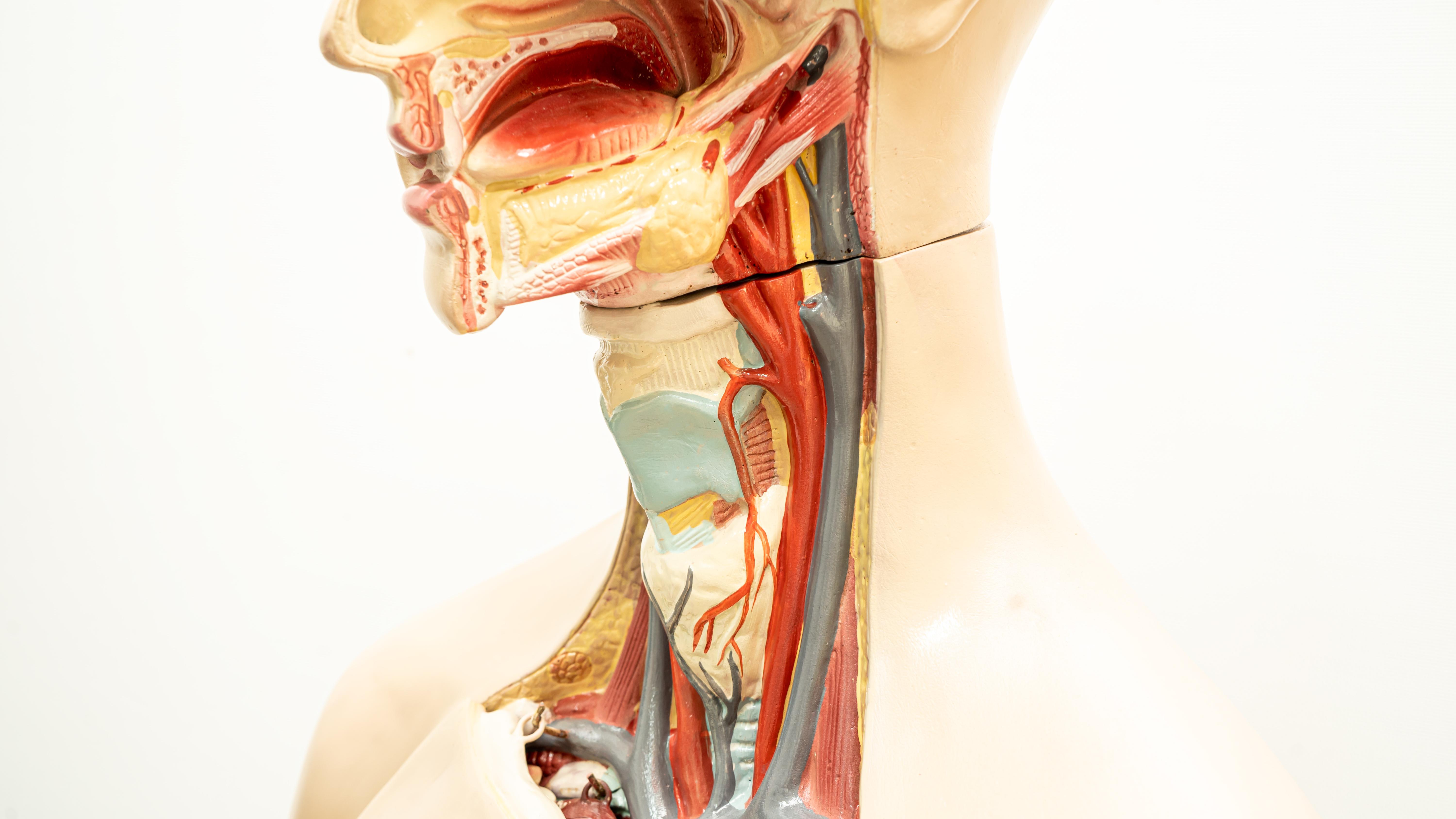
Head and neck cancers present unique surgical challenges due to their complex anatomy and often difficult-to-access locations. Traditional treatment modalities, such as chemoradiation, may not always be effective, making innovative surgical techniques essential. Single-port robotic surgery represents a significant advancement in minimally invasive surgery, allowing for improved access and visualization during procedures.
Data Highlights
No specific numerical data provided in the source material.
Key Findings
Single-port robotic surgery allows access to tumors in the hypopharynx and nasopharynx, previously treatable only with chemoradiation.
The technology improves visibility with a flexible 3D HD camera, enhancing surgical angles.
Instrument collision is reduced due to advanced design and software, improving surgical efficiency.
Robotic surgery has shown lower rates of gastrostomy tube dependency compared to chemoradiation.
Cure rates with robotic surgery are comparable to those achieved with chemoradiation.
Clinical Implications
Surgeons should consider single-port robotic surgery for patients with hard-to-reach head and neck tumors, as it may lead to better surgical outcomes and lower recurrence rates. The technology also offers potential benefits in recovery and functional outcomes, such as swallowing.
Conclusion
Single-port robotic surgery is a promising advancement in the treatment of head and neck cancers, providing enhanced access and improved patient outcomes. Continued adoption and evaluation of this technology may further refine surgical approaches in this challenging field.