Clinical Report: Novel LIFR Variant Identified in Stuve-Wiedemann Syndrome
Overview
This report details a case of a 5-month-old infant diagnosed with Stüve-Wiedemann syndrome due to a novel homozygous nonsense variant in the LIFR gene. The findings underscore the importance of genetic testing in diagnosing this rare disorder characterized by severe dysautonomia and skeletal abnormalities.
Background
Stüve-Wiedemann syndrome is a rare autosomal recessive disorder that leads to significant early-life morbidity and mortality due to its associated dysautonomia and skeletal dysplasia. Understanding the genetic basis of this condition is crucial for accurate diagnosis and management, particularly given its overlap with other skeletal dysplasias. The identification of pathogenic variants in the LIFR gene is essential for distinguishing Stüve-Wiedemann syndrome from similar disorders.
Data Highlights
No numerical data or trial data presented in the article.
Key Findings
A novel homozygous nonsense variant in the LIFR gene (c.823G>T, p.Glu275Ter) was identified in the patient.
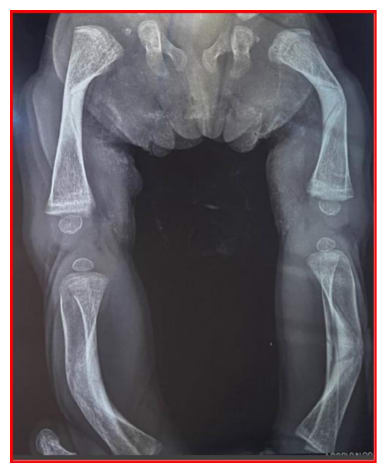
The infant exhibited classic symptoms of Stüve-Wiedemann syndrome, including bowed long bones and severe dysautonomia.
Global mortality rate for Stüve-Wiedemann syndrome is reported at 46%, with 42% of deaths occurring within the first two years of life.
Longer-term survival has been observed in some patients beyond the age of two, indicating a potential decline in mortality risk.
Molecular confirmation aids in differentiating Stüve-Wiedemann syndrome from other skeletal dysplasias.
Clinical Implications
Healthcare providers should consider genetic testing for infants presenting with symptoms suggestive of Stüve-Wiedemann syndrome to confirm diagnosis and guide management. Early intervention and multidisciplinary support can improve outcomes and quality of life for affected patients.
Conclusion
The identification of a novel LIFR variant in this case highlights the importance of genetic testing in Stüve-Wiedemann syndrome, which can inform clinical management and improve patient outcomes.