Clinical Report: Evaluation of Medical Consultations and HIV Testing Following AI-Driven Symptom Assessment
Overview
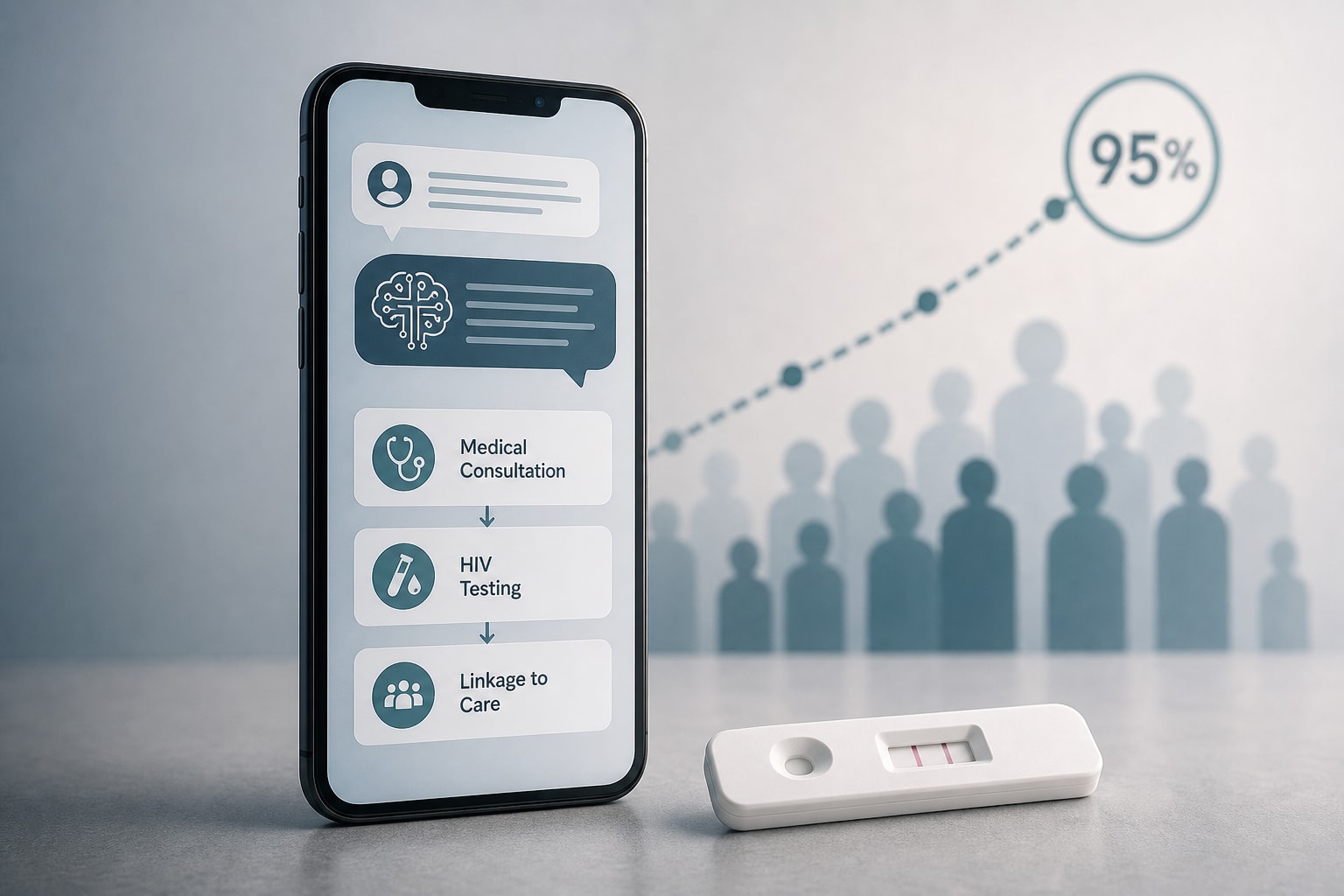
This study examines factors influencing medical consultations and HIV testing behaviors among individuals identified through an AI-based symptom checker.
Background
HIV remains a critical public health challenge, with millions living with the virus and many unaware of their status. The '95-95-95' targets set by the Joint United Nations Program on HIV/AIDS emphasize the importance of diagnosing individuals with HIV to facilitate timely treatment and care. In Japan, approximately 30% of individuals are diagnosed at advanced stages of HIV.
Data Highlights
No numerical data provided in the source material.
Key Findings
Approximately 30% of the Japanese population diagnosed with HIV has been identified at the AIDS stage.
HIV testing rates declined significantly during the COVID-19 pandemic but began to recover by 2022.
Only about 5% of patients who tested for syphilis also underwent HIV testing.
Factors influencing late HIV diagnosis include age, heterosexual transmission, and living outside metropolitan areas.
AI and digital technologies may enhance the identification of at-risk individuals for HIV testing.
Clinical Implications
Healthcare providers should consider integrating AI-driven tools to identify individuals at risk for HIV and facilitate timely testing. Understanding barriers to testing can help tailor interventions to improve diagnosis rates.
Conclusion
The study underscores the potential of AI-driven approaches to enhance HIV testing and diagnosis, particularly among high-risk populations. Continued efforts are necessary to achieve the first '95' target of the global HIV strategy.