Influence of laboratory and radiographic parameters on the clinical presentation and outcome of surgically treated patients with primary brain abscesses - Report - MDSpire
Advertisement
Influence of laboratory and radiographic parameters on the clinical presentation and outcome of surgically treated patients with primary brain abscesses
Impact of Laboratory and Imaging Findings on Outcomes in Primary Brain Abscess Surgery
Overview
This retrospective study analyzed risk factors associated with unfavorable outcomes in patients undergoing surgery for primary brain abscesses. Key laboratory and imaging parameters, alongside clinical status and surgical techniques, were evaluated to identify predictors of poor postoperative recovery.
Background
Brain abscesses are localized intracranial infections arising from contiguous or hematogenous spread, often occurring in patients with immunosuppression or barrier disruption. Despite advances in diagnosis and treatment, morbidity and mortality remain significant. Neurosurgical intervention combined with antibiotic therapy is the recommended treatment approach. However, data focusing exclusively on surgical patients and their broader clinical outcomes are limited.
Data Highlights
Parameter
Measurement
Unfavorable outcome
Postoperative mRS ≥ 3 at discharge
Preoperative poor status
mRS ≥ 3
Disturbance of consciousness
GCS < 13
Laboratory values
Leukocytes, Platelets, Hemoglobin, CRP, Creatinine (pre- and postoperative)
Imaging parameters
Abscess volume (ml), Edema volume (ml), Midline shift (mm), Location, Number of lesions
Surgical techniques
Microsurgical craniotomy or stereotactic aspiration
Key Findings
Unfavorable outcomes were defined by a postoperative modified Rankin Scale score of 3 or higher.
Preoperative poor clinical status (mRS ≥ 3) and disturbance of consciousness (GCS < 13) were significant predictors of postoperative outcomes.
Laboratory markers including leukocyte count, CRP, and other inflammatory parameters were analyzed pre- and postoperatively to assess their association with outcomes.
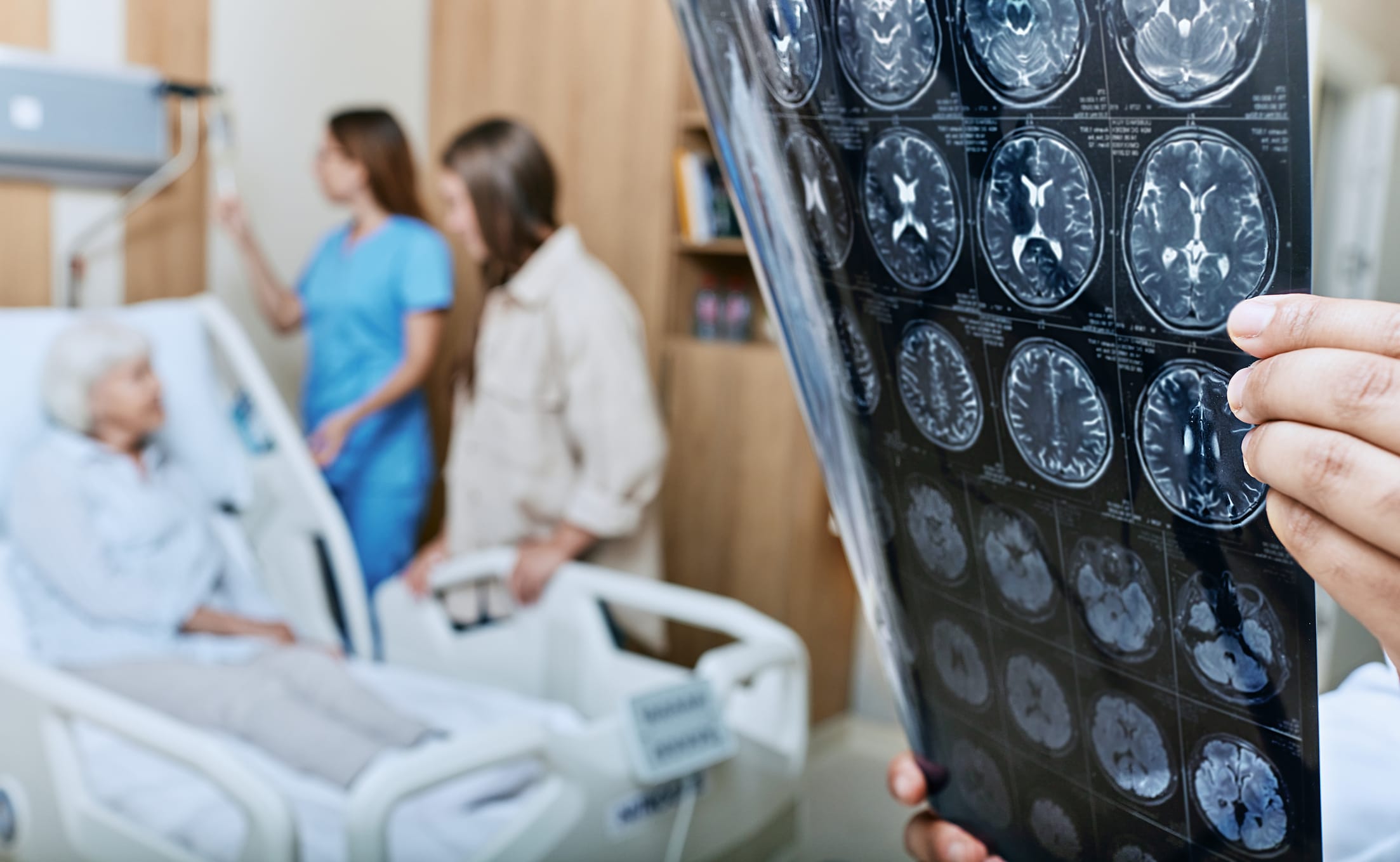
Imaging findings such as abscess volume, perilesional edema, and midline shift were quantitatively measured and correlated with clinical results.
The choice of surgical technique (craniotomy vs. stereotactic aspiration) was individualized based on abscess characteristics but was also evaluated for outcome differences.
Microbiological analysis of abscess pus guided antibiotic therapy adjustments post-surgery.
Clinical Implications
Early identification of patients with poor preoperative neurological status and significant imaging abnormalities can guide surgical planning and postoperative management. Monitoring inflammatory markers may help assess treatment response. Tailoring surgical technique to abscess characteristics remains essential, and multidisciplinary coordination for antibiotic management is critical for optimizing outcomes.
Conclusion
This study highlights the importance of integrating clinical, laboratory, and imaging data to predict outcomes in patients undergoing surgery for primary brain abscesses. Such comprehensive assessment can improve risk stratification and guide therapeutic decisions.
References
European Society of Clinical Microbiology and Infectious Diseases (ESCMID) -- Guidelines for Brain Abscess Management
Paracelsus Medical University Nuremberg -- Retrospective Analysis 2008-2023