Conexiant’s news site is now MDSpire News. Learn more
Advertisement
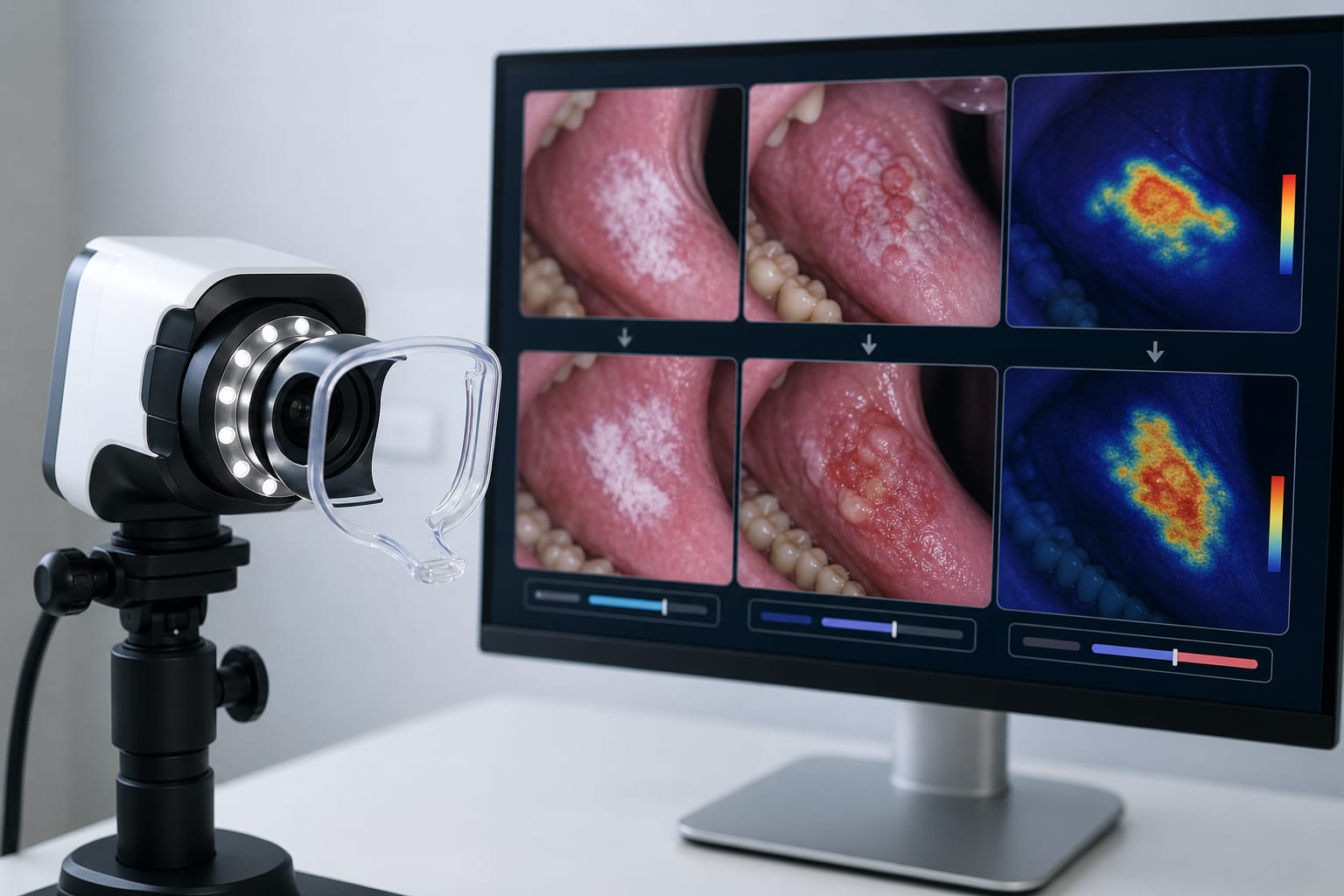
A Comprehensive Review of Artificial Intelligence Applications in Classifying Oral Cancer and Potentially Malignant Oral Disorders Using Visible-Light Imaging
Clinical Report: AI Applications in Classifying Oral Cancer and OPMDs
Background
Oral cancer is a significant global health issue, with over 389,000 cases reported worldwide. The challenge of accurately diagnosing potentially malignant lesions, such as oral leukoplakia, necessitates innovative approaches to enhance early detection and management. AI technologies, particularly machine learning and deep learning, offer potential solutions for automating the classification of oral lesions.
Data Highlights
No numerical or trial data provided in the source material.
Key Findings
Oral cancer is the 16th most prevalent cancer globally, with significant morbidity and mortality.
Oral leukoplakia has a reported progression rate to oral squamous cell carcinoma of 7.2%.
Histopathological biopsy remains the gold standard for diagnosing oral lesions.
AI applications in dermatology have shown promise.
Machine learning and deep learning techniques, particularly convolutional neural networks, are pivotal in medical image classification.
Clinical Implications
The integration of AI in the classification of oral lesions could streamline diagnostic processes.
Conclusion
AI technologies present opportunities to enhance the classification and management of oral cancer and OPMDs.