Clinical Report: Modifying Gut Microbiota for the Prevention and Management of Heat Stroke
Overview
This report discusses the increasing incidence of heat stroke (HS) and its association with gut microbiota disruption. Modulating gut microbiota may offer a novel approach to improve intestinal thermotolerance and mitigate the severity of HS.
Background
Heat stroke is a severe heat-related illness characterized by rapid core temperature elevation and multiple organ failure. The rising incidence of HS is linked to climate change and increased heat exposure, making effective prevention and management critical. Intestinal injury plays a pivotal role in HS pathogenesis, highlighting the need for strategies that address gut health.
Data Highlights
No numerical data available in the source material.
Key Findings
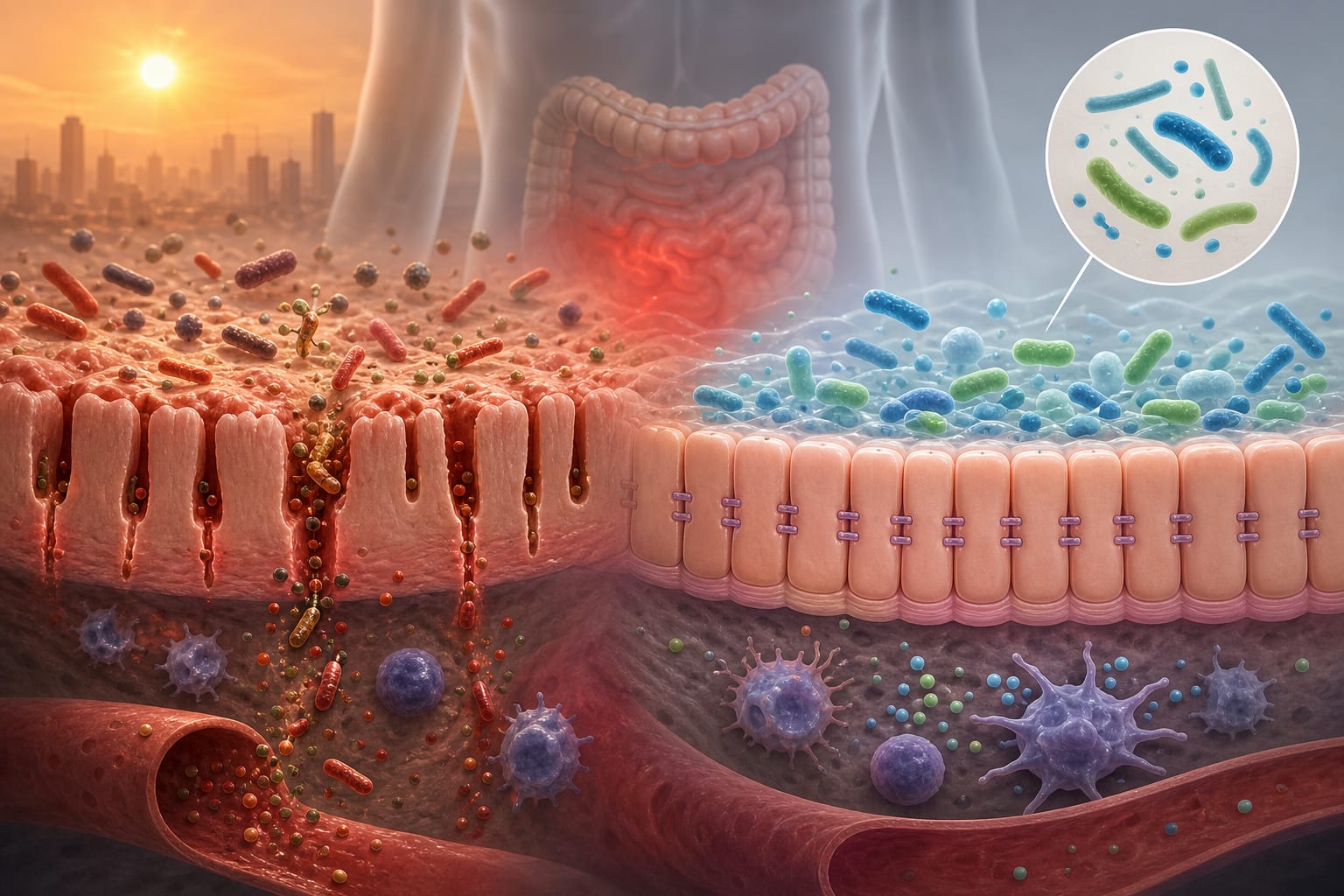
Heat stroke disrupts intestinal tight junctions, leading to increased permeability and a 'leaky gut' phenomenon.
Microbial translocation during HS can activate systemic inflammatory responses, contributing to organ dysfunction.
Probiotics may help maintain gut microbiota balance and regulate immune responses, potentially reducing HS severity.
Current evidence on gut microbiota modulation in HS primarily stems from preclinical studies, necessitating cautious interpretation of findings.
Heat-induced dysbiosis is characterized by a decrease in beneficial bacteria and an increase in opportunistic pathogens.
Clinical Implications
Healthcare professionals should consider the role of gut health in managing heat stroke, particularly in high-risk populations. Probiotic supplementation may be a promising adjunctive strategy, although further clinical validation is needed.
Conclusion
Modifying gut microbiota presents a potential avenue for improving outcomes in heat stroke management. Continued research is essential to establish effective interventions based on gut health.